
 AI photo
Gluten-Free Christmas Biscuits
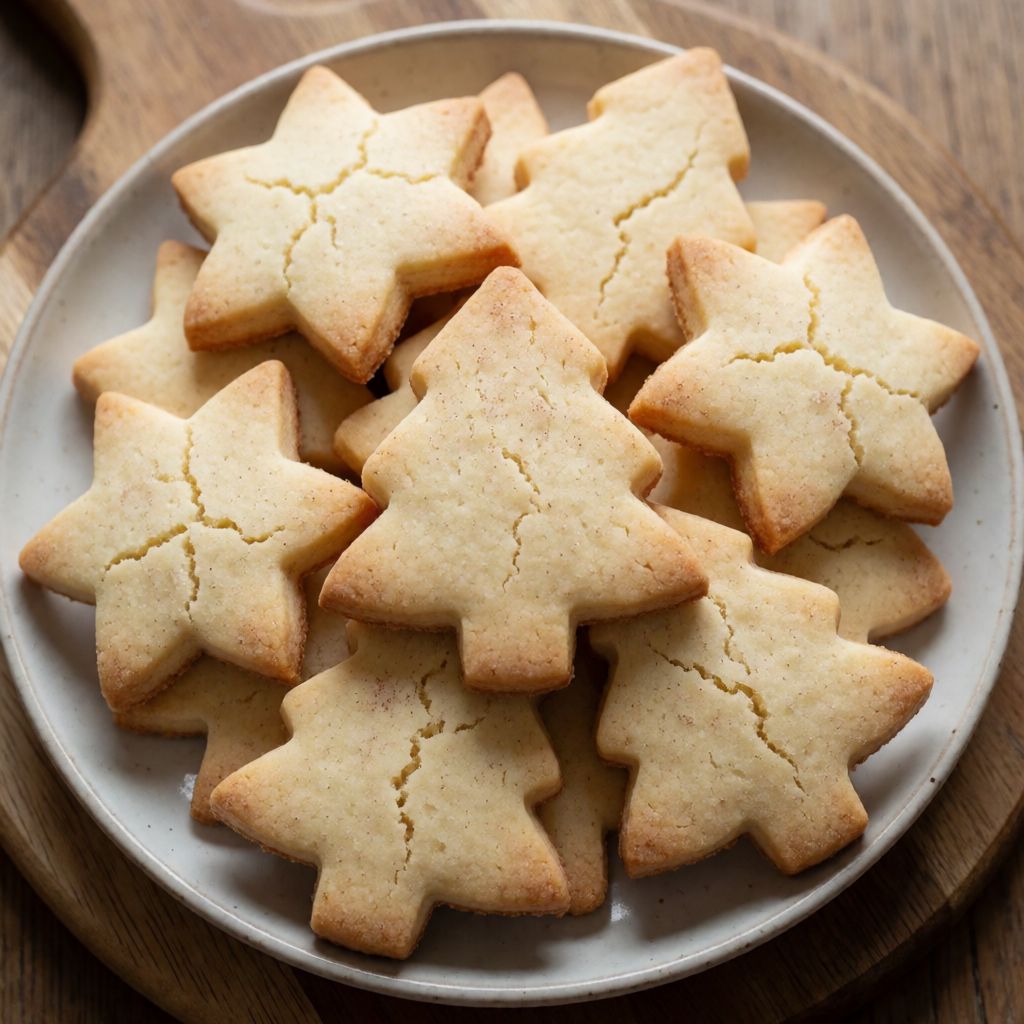
Gluten-free Christmas biscuits, cut into festive shapes and finished with a bright lemon icing.
Labels are worked out automatically from the ingredients and can be wrong. Check the packaging if it matters to you.
Ingredients
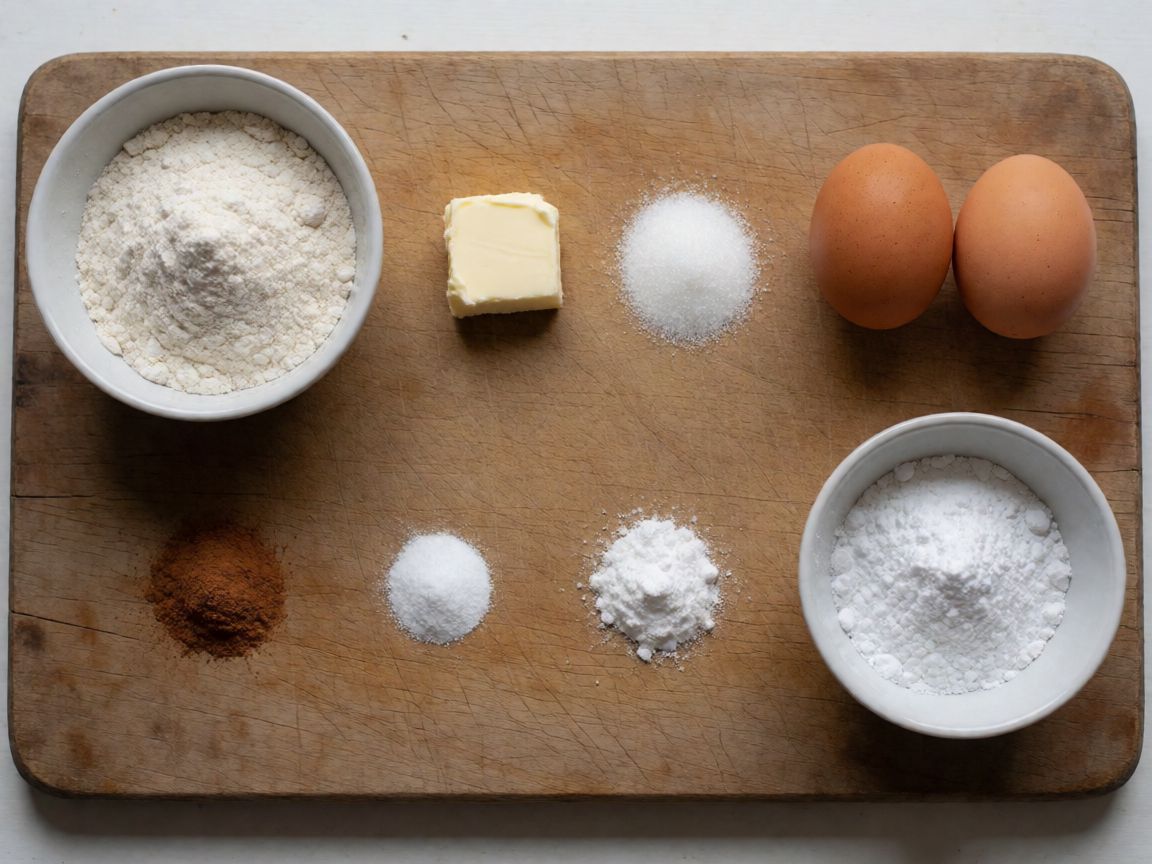
- 300 g Gluten-free flour mix
- 120 g Butter
- 80 g Caster sugar
- 2 pcs Eggs
- 2 tsp Cinnamon or lemon zest
- 5 g Baking powder optional
- 250 g Icing sugar
- 2 tsp Lemon juice
- 3-4 tbsp Water warm









Steps
On a work surface lightly dusted with flour, tip out the gluten-free flour mix and make a well in the centre. Crack in the eggs, then add the sugar, butter cut into pieces, cinnamon and baking powder.
Quickly knead by hand until the dough is smooth, even and springy to the touch.
Shape the dough into a ball, wrap in cling film and chill in the fridge for 30 minutes.
30 minRoll out the dough on a lightly floured surface to about 5 mm thick.
Using festive cutters, cut out the biscuits and place them on a baking tray lined with baking paper.
Bake in a preheated oven at 180°C for 6-7 minutes, until the edges are just starting to turn golden.
7 minMake the icing: sift the icing sugar into a bowl, add the lemon juice and warm water, and whisk briskly until thick and smooth.
Once the biscuits are completely cool, transfer the icing into a piping bag or a bag with a snipped corner, and decorate with outlines, snowflakes or dots.
Leave the finished biscuits to dry out in the air for 20-30 minutes, until the icing is firm and glossy.
25 min
This is a short-crust biscuit, the kind you cut into stars and hang off a tree if you're brave enough to leave sugar unattended near children. What decides whether it works isn't the cutter shape, it's what the gluten-free flour mix does once it meets fat and egg — and that it has no gluten to misbehave with, so the usual rules about overworking dough don't apply the same way.
In a normal wheat biscuit, you fear the gluten. Knead too long, too warm a kitchen, too much handling, and the proteins link up into a stretchy web that shrinks back in the oven and turns your crisp star into a tough little pebble. That's why every wheat shortbread recipe tells you to work fast and keep your hands cool. Here, with no gluten in the mix, that particular enemy is gone — the rice starch, or whatever blend is in your bag, doesn't form that elastic web. So "quickly" in the method isn't about outrunning gluten. It's about the butter.
Butter at room temperature is friendly to mixing but unfriendly to structure. Warm it too much in your palms while kneading, and it stops holding the flour together as discrete fatty layers and starts turning the whole thing into a greasy paste — the dough goes slack, spreads too much on the tray, and your crisp snowflake becomes a flat golden puddle with no edges left to decorate. The 30 minutes in the fridge isn't decoration either — it's the butter re-setting itself so the dough holds a cut edge when the oven heat hits it.
On the flour itself — "gluten-free flour mix" is doing a lot of quiet work in this recipe, and not all mixes behave alike. Some are rice-and-potato-starch based, some lean on tapioca, some include xanthan gum already blended in to fake the elasticity gluten would normally give. If your bag doesn't mention a gum, and your dough feels crumbly and won't hold together when you try to roll it, that's your sign — not a fault in your kneading, a fault in the mix's binding. There's no single fix I can hand you with confidence here because I haven't tested every brand; what I can tell you is the symptom to watch for, and that a touch more egg or a minute longer of kneading sometimes brings it back together.
Butter: use the real thing, cold from the fridge but cut into pieces so it breaks down into the flour rather than smearing. Some say margarine works the same — no, because margarine carries more water and less genuine fat structure, and in a short dough like this that extra water encourages the gluten-free starches to gum up rather than stay short and sandy. If you're after a dairy-free version, a hard block-style vegan butter substitute, the kind sold for baking rather than spreading, behaves closer to real butter than a tub margarine ever will.
Sugar here does double duty — caster sugar in the dough for sweetness and for a slight crunch at the edge, icing sugar in the glaze because it dissolves without grit. Don't swap the two: caster sugar in icing leaves you with a gritty, sandy finish that never goes glossy, because the crystals are simply too large to dissolve fully in a few tablespoons of water.
Cinnamon or lemon zest — the recipe hands you a genuine choice, not a compromise. Cinnamon gives you that familiar warm, slightly smoky note that reads as "Christmas" in the UK largely through habit — mulled wine, gingerbread, the whole seasonal cluster — rather than through any deep culinary logic. Zest gives you brightness instead, cuts through the sweetness of the icing rather than doubling down on warmth. Either works; don't use both unless you want a genuinely confused biscuit.
Baking powder is marked optional for a reason — it's there to give the faintest lift, a little less density, nothing dramatic. Leave it out and you get a flatter, denser biscuit, closer to a true shortbread; leave it in and you get something a touch more cake-like at the centre. Neither is wrong, it's a texture decision, not a chemistry failure.
On your own hob: a domestic oven runs hotter at the back and cooler near the door more often than people admit, so rotate the tray halfway if your biscuits bake unevenly — that's not a flaw in the recipe, that's your oven being honest about itself. And the 20-30 minutes of air-drying at the end isn't optional waiting for the sake of it — it's the icing losing its water to the air and firming into that glossy shell. Rush it under clingfilm or stack the biscuits early and you'll smudge every snowflake you piped. Patience, here, is simply water evaporating at its own pace, and no amount of impatience speeds that up.