
 AI photo
Easter Cheesecake
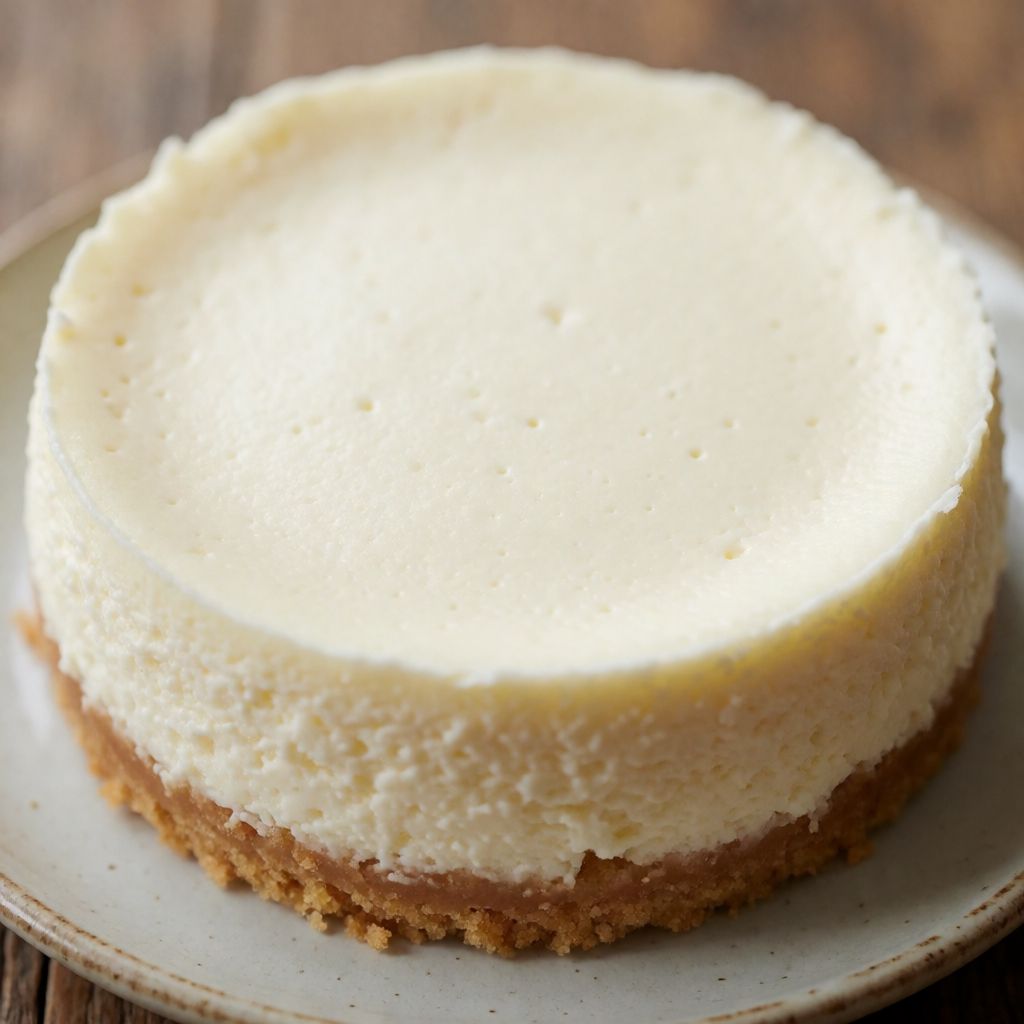
A no-bake Easter cheesecake with a biscuit base, creamy ricotta filling and chocolate eggs on top.
Labels are worked out automatically from the ingredients and can be wrong. Check the packaging if it matters to you.
Ingredients
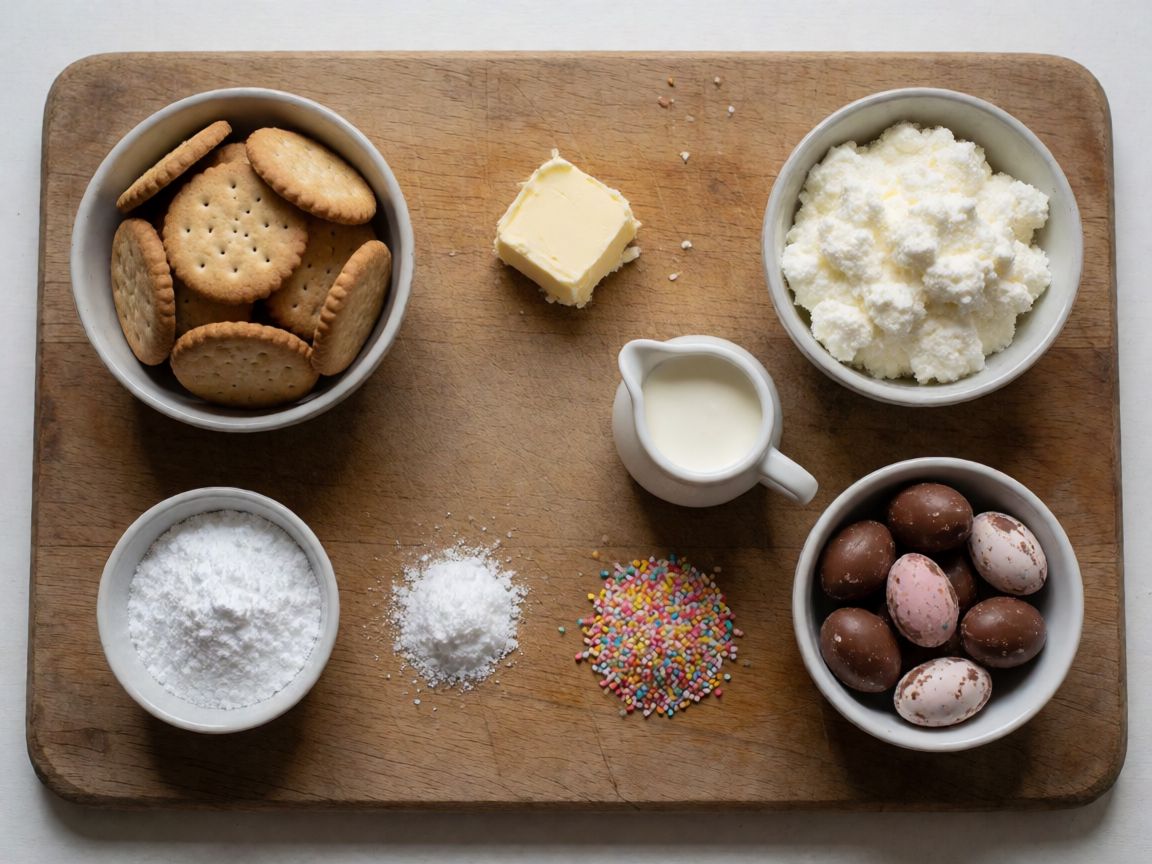
- 280 g Digestive biscuits
- 150 g Butter melted
- 500 g Ricotta
- 350 g Double cream
- 130 g Icing sugar
- 12 g Gelatine
- 100 g Mini chocolate eggs
- Chocolate sprinkles to taste
- Sugar-coated chocolate eggs to taste








Steps
Crush the biscuits in a food processor, add the melted butter and mix well.
Transfer the mixture into a springform tin (22 cm), lined with baking parchment, and level it out.
Put the base in the fridge.
18 minSoak the gelatine in cold water until softened.
Whisk the ricotta with the icing sugar using an electric mixer.
Squeeze out the gelatine and dissolve it in the hot double cream, then let it cool.
Add the gelatine mixture to the ricotta and mix well.
Add the chopped mini chocolate eggs and mix well.
Whip the remaining double cream and gently fold it into the filling.
Spread the filling over the base, level it out and put it in the fridge.
240 minTransfer to a serving plate and decorate with chocolate sprinkles and sugar-coated chocolate eggs.
This is a no-bake cheesecake, which means the whole thing stands or falls on two things: a base that holds together without an oven, and a filling that sets by chemistry rather than heat. There's no flour, no egg, no baking tray in sight. The fridge does the job a baker's oven does in other cheesecakes — slowly, not with a blast of heat.
The base is biscuit crumbs bound with melted butter. Butter at room temperature won't coat the crumbs evenly — it sits in lumps and leaves dry patches that crumble when you slice. Melted butter runs into every crevice of the crushed biscuit, and when it's back in the cold it hardens into a kind of edible mortar. That's why the base goes into the fridge before anything else touches it: give the butter time to set hard, or your first layer of filling will just push the crumbs apart.
The filling is ricotta and cream, held in shape by gelatine. Some say a cheesecake needs eggs to set — no, because this one sets with nothing but dissolved collagen and cold. Gelatine needs three things done right: softened in cold water first (so it swells rather than clumping), dissolved into something hot (the warmed cream, never dumped straight into cold ricotta where it'll seize into threads), and then given real time in the cold to lock everything into a gel. Four hours in the fridge isn't a suggestion — it's the actual setting time, and cutting it short gives you a cheesecake that slumps rather than slices.
On the biscuits: digestives are just a plain, slightly malty, not-too-sweet biscuit — the point is a crumb that isn't fighting the sweetness of the filling on top. If you haven't got digestives, use any biscuit that snaps rather than bends and has no strong flavour of its own to argue with the cheese — ginger nuts work if you want a spiced note, shortbread if you want it richer. Avoid anything with chocolate chips or very soft biscuits; they won't crush to an even crumb and the base turns patchy.
Butter melted, not browned — you want it liquid, not foaming or coloured, because browned butter brings a nutty taste that isn't part of this dish and burnt butter brings bitterness that no amount of sugar fixes later. Any neutral fat that solidifies in the cold would technically hold the crumbs, but butter is traditional here for a simple reason: it's the one fat that's both liquid when warm and solid when cold, which is exactly the mechanical trick this base relies on.
Ricotta is doing a specific job: it's a loose, slightly grainy curd cheese with a mild flavour, which is why it needs the icing sugar whisked properly through it — not just stirred, which leaves pockets of sourness. If ricotta isn't available, a full-fat soft cheese (the kind sold for cheesecakes) works, though it's denser and sweeter-tasting on its own, so you'd taste and adjust sugar rather than measure blind.
Double cream appears twice and does two different jobs. Warmed, it's the vehicle that carries dissolved gelatine evenly through the mix — gelatine dissolved straight into cold ricotta would set in streaks, not evenly, because it never gets hot enough to melt properly and distribute. Whipped and folded in cold, the same cream is now about trapped air, giving the set filling its lightness. Use a cream with enough fat to whip — lower-fat creams won't hold air and your cheesecake will be heavier and wetter than it should be.
Gelatine: 12 g for this volume of filling is a moderate set — enough to hold a slice together but not so much that it goes rubbery. Powdered gelatine and leaf gelatine both need a pre-soak, but leaves want cold water specifically to soften without dissolving prematurely; squeeze out the excess water before melting it into the hot cream, or you'll water down the set. Vegetarian setting agents exist, but they behave differently at different temperatures, so this isn't a straight swap without testing — say so rather than guess.
The mini chocolate eggs chopped into the filling and the sugar-coated eggs and sprinkles on top are the only strictly Easter part of this — everything else is just a cheesecake wearing seasonal dress. That's worth saying plainly: a lot of what makes a dish "for" a holiday is the decoration sitting on an otherwise ordinary base, not some special method underneath. Swap the eggs for whatever chocolate you've got chopped small, and swap the topping for whatever's in the cupboard — the cheesecake itself doesn't know what month it is.
On patience: this isn't a dish you can rush by turning the fridge down or sticking it in the freezer for twenty minutes. Freezing crystallises the water in the cream and ricotta, and when it thaws you get a grainy, weeping texture instead of a smooth set. The four hours in the fridge is the gelatine actually doing its slow work of tangling into a network around the water in the filling — there's no shortcut, only waiting it out, ideally overnight if you're making it ahead for Sunday.