
 AI photo
Pomegranate Cocktail
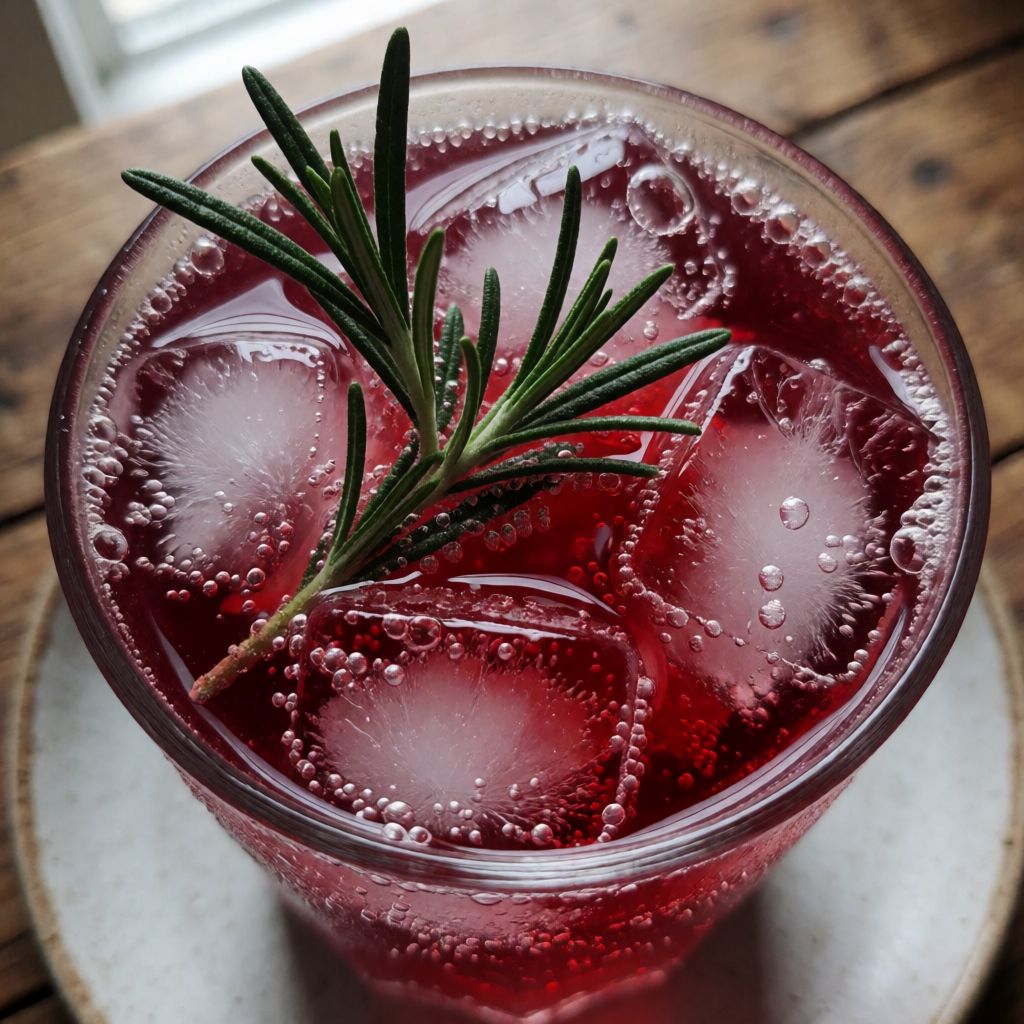
A refreshing pomegranate cocktail with gin, syrup and sparkling water, finished with a sprig of rosemary.
Labels are worked out automatically from the ingredients and can be wrong. Check the packaging if it matters to you.
Ingredients
- 1 pcs Pomegranate
- 40 ml Gin
- 50 ml Sugar syrup
- 200 ml Sparkling water
- Ice cubes
- 2 pcs Rosemary fresh sprigs






Steps
Blitz the pomegranate seeds and strain the juice for the cocktail, or pass the seeds through a juicer.
3 minPut the pomegranate juice, gin, ice, a few rosemary needles and the sugar syrup into a shaker and shake well.
1 minPour into two glasses, top with ice and soda water or sparkling wine, and garnish with a sprig of rosemary.
1 min
This is a shaker drink, not a stew, but it works on the same logic every drink works on: get the three things — sour, sweet, cold — into balance before the bubbles go in, and keep the bubbles for last because they're the one thing you can't put back once it's gone.
The seed you're juicing is the backbone, not a garnish. Pomegranate gives you sour-sweet with a tannic edge, and that tannic edge is exactly what a London or Edinburgh flat kitchen can ruin if you blitz the seeds like you're making a smoothie. The pith — the pale membrane around and between the seed clusters — is bitter. Chop it up finely enough and you've seasoned your cocktail with it whether you wanted to or not. So the juice isn't about speed, it's about restraint: pulse the seeds just enough to burst them, strain hard, and leave the pith behind in the sieve where it belongs.
Shaking with ice does two jobs people usually credit to one. It chills the liquid fast — ice has a huge surface area in small cubes, so heat leaves the gin and juice in seconds, not minutes — and it dilutes it a little, because some of that ice melts into the drink on purpose. That melt is not a flaw, it's part of the recipe; a shaken drink that isn't slightly watered down tastes sharp and flat at once, like a sauce that never got its splash of stock. Shake it too long, though, chasing some idea of thoroughness, and you've over-diluted and over-warmed it from your own hands — the one defect looks like the other, weak and warm, but the cause is time, not cold.
Pick a pomegranate by weight and by sound, not by colour — a dull, heavy one with skin gone slightly leathery and taut is usually fuller of juice than a bright, tight-skinned one, because that leathery skin means the fruit has lost a little water through the peel while the seeds inside stayed plump. Give it a squeeze: if it gives a little and feels dense, not hollow, it'll bleed juice. One fruit is enough for two glasses here — this isn't a recipe that wants three for insurance, because too much juice just pushes the gin and syrup out of balance and you end up drinking pomegranate with a memory of a cocktail in it.
Gin is the only spirit named, but the real criterion is a clear spirit with a clean, slightly bitter botanical note that won't fight the pomegranate's own sourness — vodka works if you want the fruit and rosemary to speak louder and the drink to read as less bitter overall; a London dry style gin, with its juniper and citrus peel, is the one that actually argues back with the pomegranate instead of just diluting it, which is why it's the default.
Sugar syrup exists because sugar itself is slow to dissolve in anything cold — stir granulated sugar into an iced shaker and you'll taste grit at the bottom of the glass long after the ice has gone. Syrup is just sugar that's already been dissolved in hot water ahead of time, so it mixes into a cold drink instantly. Equal parts sugar and water, warmed until clear, cooled before use, is the syrup anyone makes at home; you need no more than you'd use sweetening a strong pot of tea for two.
Rosemary needs bruising, not chopping, and not steeping for ages either. A few needles crushed lightly between your fingers or the flat of a knife release their oil onto the surface, which is where the scent you actually smell when you drink comes from — your nose does most of the tasting here, not your tongue. Leave a whole sprig stewing in the shaker and you risk pulling out its more resinous, almost medicinal side, the one that tastes more like a hedge than a herb. Garnish with a fresh sprig at the end for the same reason you'd put a bay leaf on top of a dish rather than only in it: so the first thing you meet is the smell.
Ice is doing structural work, not just cold work, so don't skimp on it to save freezer space — a halfdozen cubes in the shaker and a full glass of more to pour over is right; fewer cubes means less surface area, slower chilling, and you end up compensating by shaking longer, which brings you back to the over-dilution problem above. This is also where patience earns its place as an ingredient rather than a virtue: a properly shaken, properly iced drink takes the better part of a minute of real agitation, and rushing it is the single most common reason a home-shaken cocktail tastes thinner and warmer than the same drink made by someone who's done it a thousand times. There's no trick that replaces the minute. You just have to give it.