
 AI photo
Mimosa Cocktail
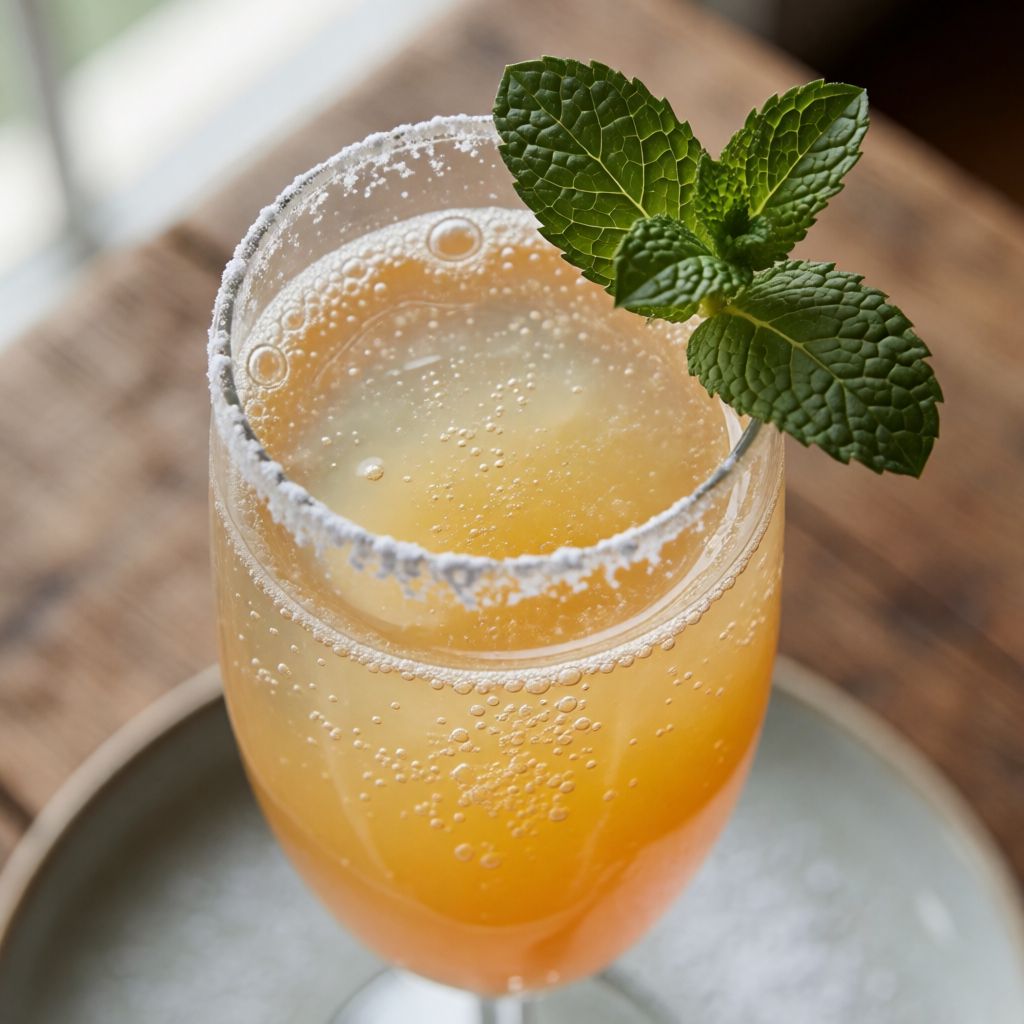
A sparkling Mimosa cocktail of chilled orange juice and Prosecco, finished with mint and a dusting of icing sugar.
Labels are worked out automatically from the ingredients and can be wrong. Check the packaging if it matters to you.
Ingredients
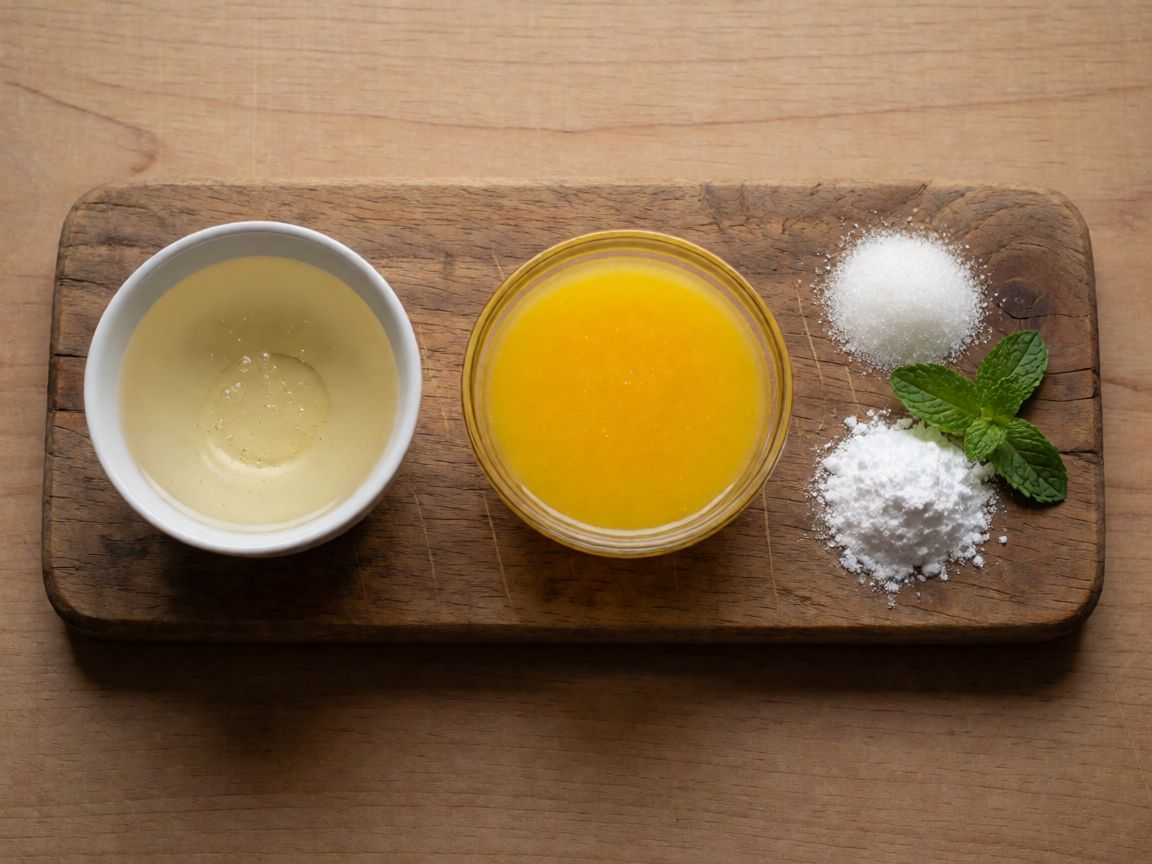
- 600 ml Prosecco or champagne
- 300 ml Orange Juice
- 100 ml Water
- 7 tbsp Sugar
- 1 tbsp Icing Sugar
- 5 pcs Mint leaves a few, for garnish






Steps
Dissolve the sugar in the water over low heat and leave the syrup to cool completely.
Cut a few orange slices to garnish the glasses, then squeeze the juice from the rest and strain it through a sieve.
Combine the orange juice with the cooled sugar syrup.
Chill the orange juice and the Prosecco well in the fridge.
Combine the chilled juice with the Prosecco and pour into chilled flute glasses.
Garnish the rim of each glass with an orange slice, add mint leaves inside, and dust the rim with icing sugar.
A mimosa is not really a cocktail, it is bubbly wine made polite — stretched with juice so you can serve ten people from one bottle and nobody drinks too much too fast. That is also its history: 1920s Paris, a hotel bar in the morning, champagne too good to waste on a quick toast but too expensive to pour neat for a whole brunch table. Orange juice was the cheap half of the equation. It still is.
What decides whether it works is not the bubbles, it's the temperature and the ratio. Everything in this drink — wine, juice, even the glasses — has to be properly cold before you combine anything, because a sparkling wine that goes into a glass already warm loses its fizz in minutes, not from the pour but from the heat shaking the gas out of solution. Mix cold with cold and the bubbles survive long enough to be the point of the drink.
The syrup step looks fussy for something this simple, but it solves a real problem: sugar does not dissolve in cold, acidic orange juice, it just sits as grit at the bottom of the jug. So you dissolve it in warm water first, where it actually goes into solution, then let that syrup cool before it meets the juice. Skip this and you get a mimosa with sweet dregs at the end of the glass and nothing at the start.
On the wine: pick something dry, not off-dry or demi-sec, because you are already adding sugar through the syrup. A sweet base plus sweet syrup plus sweet juice is a drink that tastes like dessert wine with bubbles, and the orange gets lost. Prosecco works well because it is cheap enough to pour generously and its bubbles are a bit softer and longer-lived than champagne's fine mousse, which actually suits a drink that is going to sit around on a brunch table for a while.
On the orange juice: fresh-squeezed and strained, not from a carton. Carton juice is usually already sweetened or concentrated and throws your whole sugar balance off before you've even made the syrup — you end up fighting a flavour that was decided by a factory, not by you. Straining through a sieve isn't fussiness either, it's about the pulp: bits of fibre floating in a sparkling drink catch the bubbles and drag them down, so your glass goes flat faster. A clear juice keeps a clear, fizzing glass.
On the sugar and syrup: this is the only cooking in the whole recipe, and it's really dissolving, not cooking — low heat just helps the sugar go into the water faster, it doesn't need to boil or caramelise. Seven tablespoons for 300ml juice is a starting point, not a law; taste your oranges first, because a naturally sweet batch needs less, a sharp winter orange needs the full amount or even a touch more. If you're weighing instead of spooning, treat a tablespoon of granulated sugar as roughly 12g and scale from there.
On the icing sugar: it's for the rim, and it works because icing sugar is fine enough to cling and dissolve the instant it touches a damp glass edge — ordinary granulated sugar just falls off in lumps. If you don't have icing sugar, you can sieve ordinary sugar through the finest sieve you own and get close enough.
On the mint: don't just drop the leaves in whole and flat — give them a light bruise between your fingers first, enough to release the oil on the surface without shredding them, because an unbruised leaf sitting in liquid is mostly decoration with no scent to it.
Patience here isn't about standing over a pan, it's about the fridge. The ten minutes of prep is nothing; the real time is however long it takes your Prosecco, your juice and your glasses to get properly cold, which in an ordinary British kitchen fridge is more like an hour than ten minutes. Rush that part and you've made a flat, lukewarm orange drink with wine in it — technically a mimosa, but not one worth drinking before the roast goes in.