
 AI photo
Finnish Biscuits
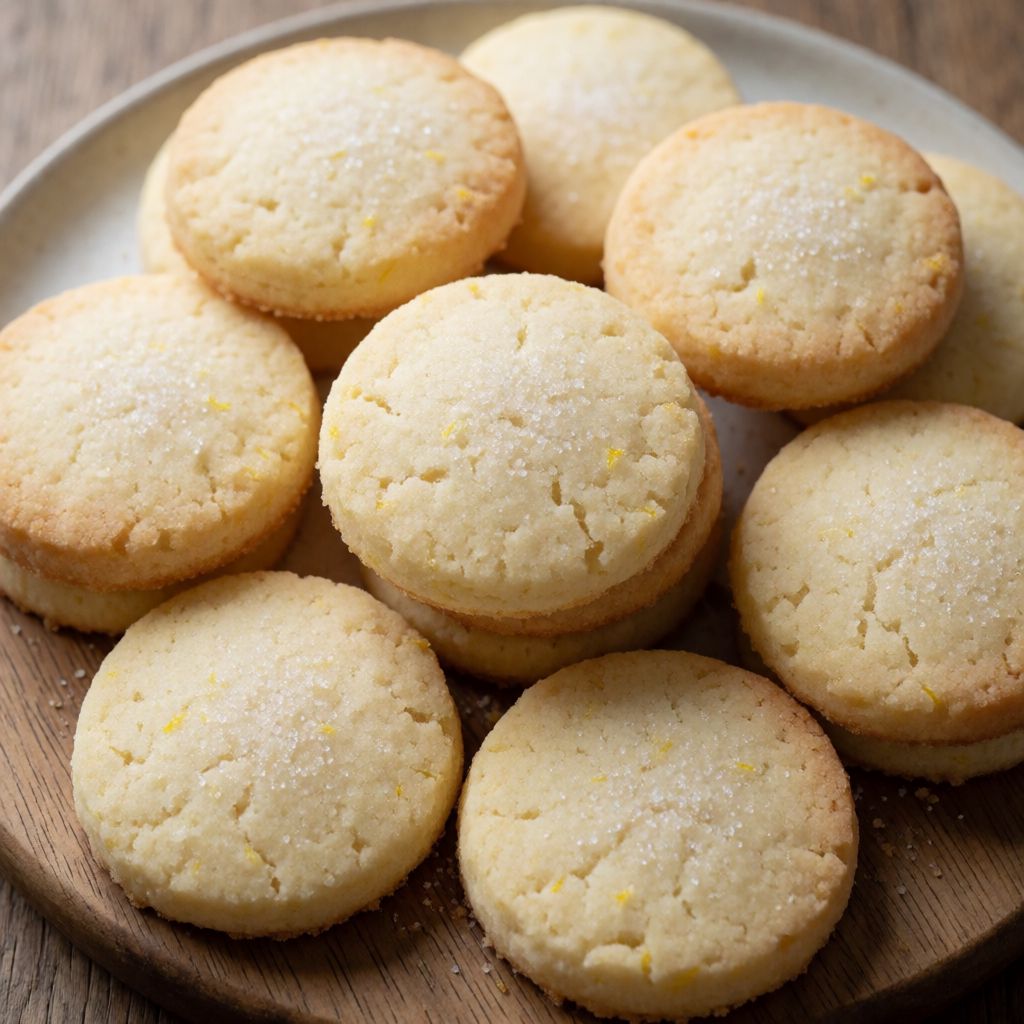
Crisp Finnish-style biscuits flavoured with lemon zest, topped with pearl sugar and chopped almonds.
Labels are worked out automatically from the ingredients and can be wrong. Check the packaging if it matters to you.
Ingredients







Steps
Mix the flour, sugar and lemon zest in a bowl.
Add the butter and rub in until the mixture resembles fine crumbs, then bring the dough together with the egg.
Knead the dough briefly and chill in the fridge for 1 hour, or until the next day.
60 minRoll out the dough to about 1cm thick.
Cut out biscuits to the size you like and place on a baking tray lined with parchment.
Brush all the biscuits with beaten egg and sprinkle with pearl sugar and chopped almonds.
Bake in a preheated fan oven at 175°C, in the middle of the oven, for 9–12 minutes, then let cool on a wire rack.
10 min
This is a shortbread wearing a party coat. Underneath the pearl sugar and almonds you've got a plain butter biscuit, sandy and short — it should break, not bend, between your teeth. Everything that decides whether that happens takes place before the oven even gets warm.
The method here is rubbing-in, not creaming. You're not beating air into butter and sugar the way you would for a sponge or a soft cookie — you're coating flour in fat until it looks like breadcrumbs. That coating is the whole trick: fat wrapped round flour particles blocks the flour's gluten from linking up into long elastic strands. No long strands, no chew. That's why the dough gets kneaded "briefly" and no more. Some people knead any dough hard because they think more kneading always means a better result — no, here it's the opposite. Knead this past the point of just bringing it together and you develop gluten you don't want, and the biscuit comes out tough and bready instead of short and sandy.
The hour in the fridge isn't a pause for your convenience, it's doing two jobs. The butter, soft from your hands, firms back up so the dough holds a cut edge instead of smearing when you stamp out shapes — a warm, greasy dough just drags under the cutter. And the little gluten you did form during kneading relaxes, so the biscuits don't shrink and distort as they bake. If you're short on time, don't skip this to save twenty minutes — you'll pay for it with ragged edges and biscuits that spread into ovals instead of holding their shape. Patience here is a cheap ingredient you already have.
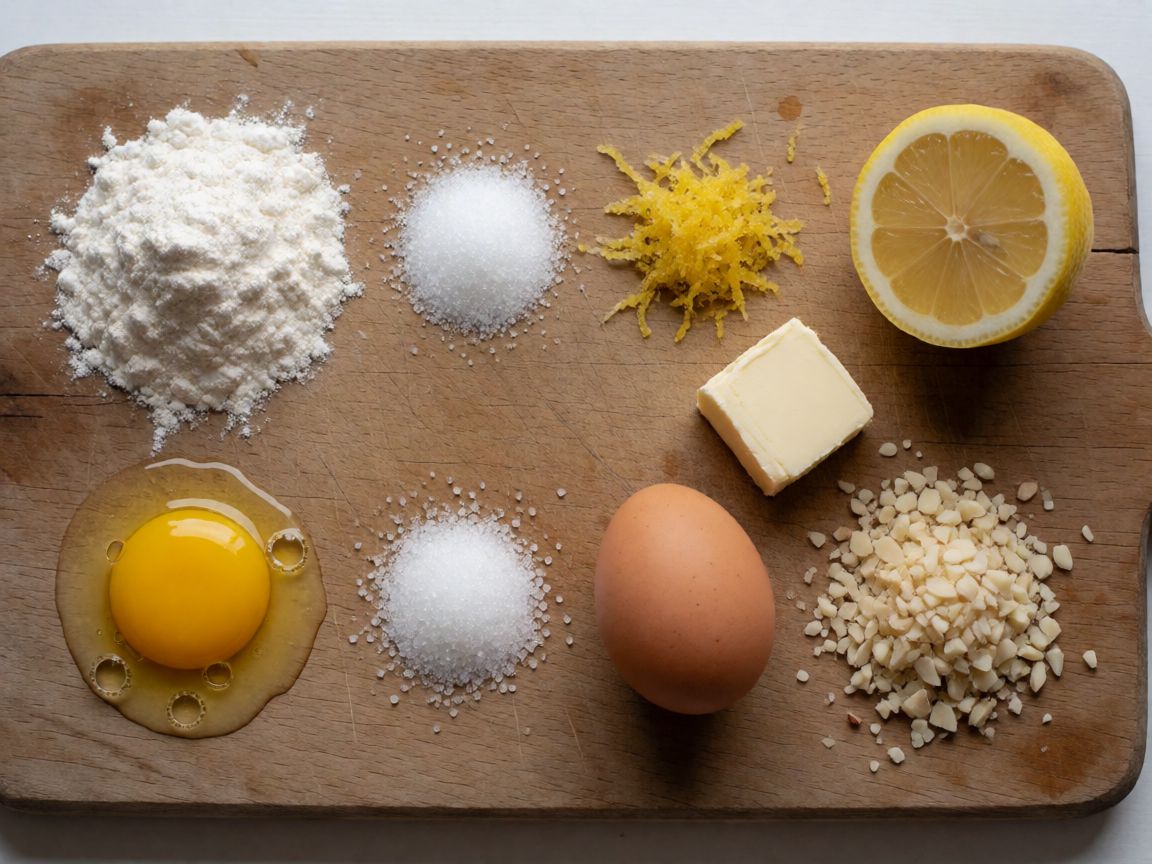
On the flour and sugar: plain flour, nothing self-raising — you want no lift here, a biscuit that rises is a biscuit that's lost its snap. Sugar at this level isn't there to make it sweet so much as to season and to help the edges colour; caster sugar dissolves cleanly into the rub, so stick with that rather than something coarser that would leave gritty pockets in the crumb.
The lemon zest is perfume, not acid — it's there for the smell that hits you before the taste does. Unwaxed matters because most citrus sold whole carries a wax coating to survive the trip from grove to shop, and you'd be grating that wax straight into your dough along with the oil you actually want. If you can't find unwaxed, scrub the lemon hard under hot water first, or swap in orange zest, which does a similar job with a rounder, less sharp note.
Butter is non-negotiable here, and real butter specifically — not a baking spread or margarine. Those carry more water and less fat, and it's the fat that does the rubbing-in work described above; swap it and you lose the texture the whole method is built on. One whole egg binds the dough — just enough moisture to make it hold together without turning it into a paste, which is why you add it last, after the fat is already fully worked through the flour.
The second egg, beaten for glazing, and the pearl sugar on top are doing a job together. Egg wash is glue as much as it is shine — it's what makes the sugar and almonds stick to a dry biscuit surface instead of rolling off in the oven. Pearl sugar is chosen over ordinary granulated sugar because it doesn't melt flat under heat the way fine sugar does; it keeps its shape and gives you something to bite through on top of the short crumb underneath. If you can't get it, coarsely crushed sugar cubes or a demerara with big crystals will do roughly the same job — fine caster sugar won't, it'll just dissolve into a sticky film.
Blanched almonds, skin off, chopped fine — blanched because the papery brown skin left on would taste faintly bitter and look speckled against the white crumb; fine because anything in coarse pieces on an exposed top surface will scorch before the dough underneath is even properly set. Any other mild nut chopped the same fine way — hazelnut, for instance — will behave the same under the heat, though you'll lose the particular clean taste almonds give.
On the oven: fan ovens move hot air past the food constantly, which is why the heat reaches the biscuit faster and more evenly than in a conventional oven set to the same number — hence the relatively short, hot bake here. If your oven doesn't have a fan, you'll generally want it a touch hotter and watch a minute or two longer rather than trust the written time, since without the moving air the heat takes longer to reach the centre of the tray. Line the tray with parchment rather than greasing it bare — pearl sugar and any butter that leaks out as it bakes will stick hard to a dry metal tray, and you don't want to be fighting that at the end. And let them sit on a wire rack once out — straight from the oven they're still soft and will bend or crack if you move them; it's only as they cool that the butter re-sets and gives you the snap you're actually after.