
 AI photo
Nutellotti
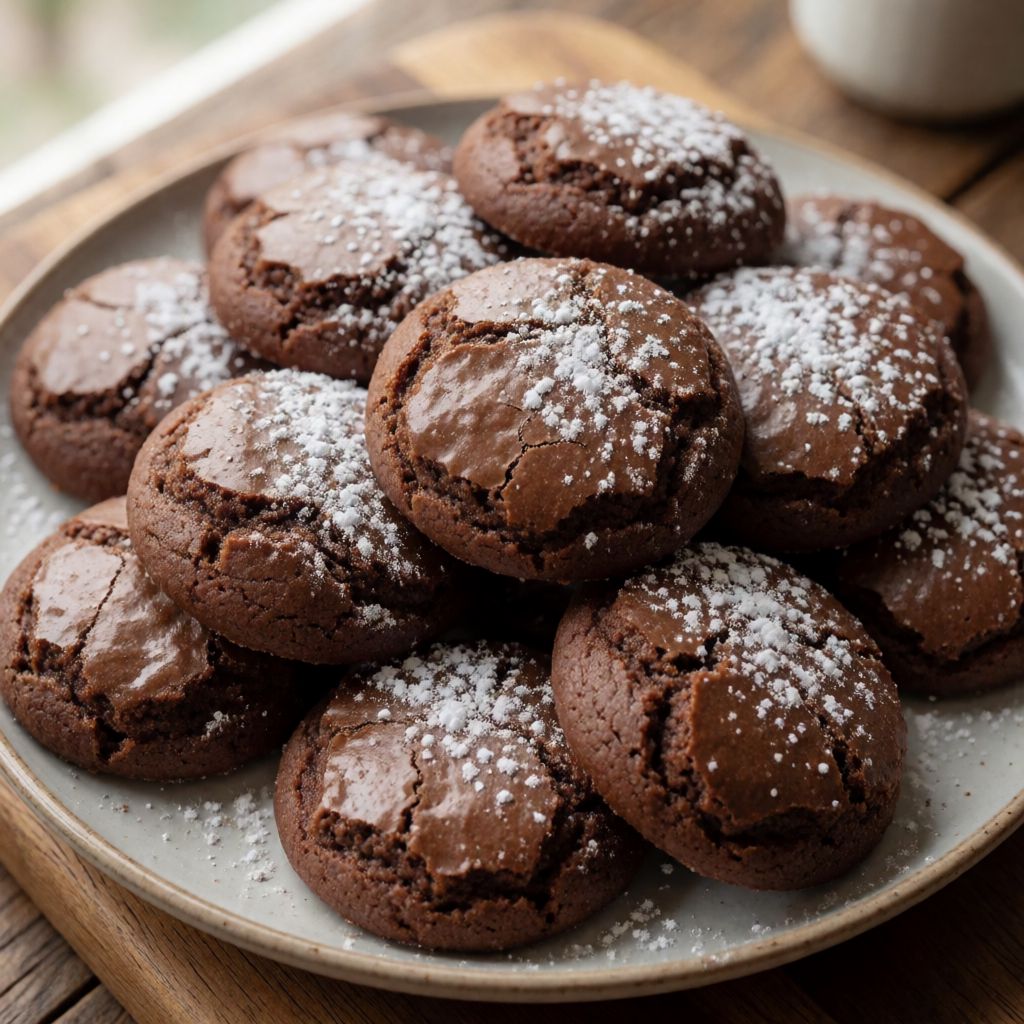
Soft Nutella-filled biscuits with a shiny Nutella finish on top.
Labels are worked out automatically from the ingredients and can be wrong. Check the packaging if it matters to you.
Ingredients
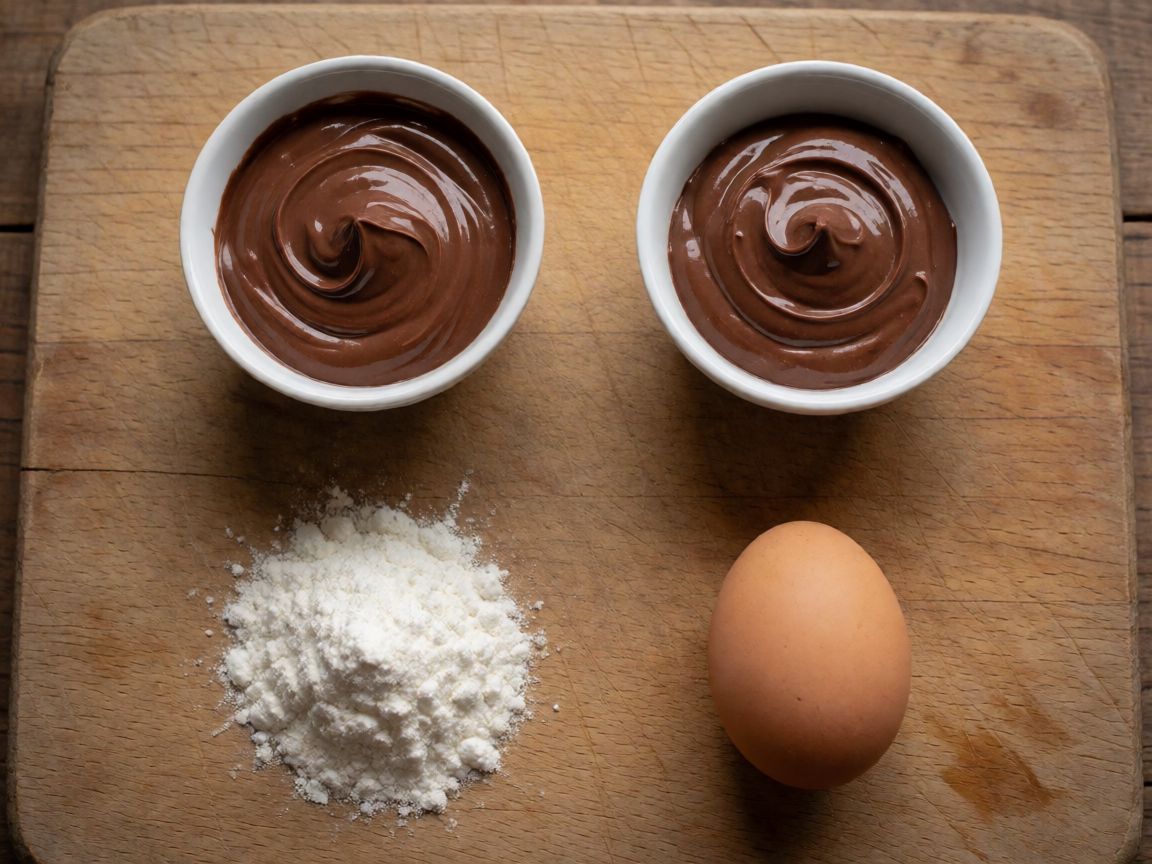
- 180 g Nutella
- Nutella to taste, for decorating
- 140 g Plain flour
- 1 pcs Egg



Steps
In a bowl, whisk the Nutella with the egg until the mixture is smooth.
Add the sifted flour and mix the dough right in the bowl as far as you can.
Turn the dough out onto a lightly floured surface and keep kneading until it forms a ball.
Divide the dough into 15g pieces, roll each into a ball and place on a baking tray lined with baking paper.
Use your finger or the handle of a wooden spoon to make a small indent in the centre of each biscuit.
Bake in a fan oven at 170°C for 10–15 minutes, or in a conventional oven at 180°C for 5–8 minutes longer.
13 minLet the biscuits cool completely.
Using a piping bag, fill each biscuit with Nutella.
Three ingredients and one trick: Nutella isn't just the flavour here, it's doing the job butter would do in an ordinary biscuit — carrying the fat and the sugar that melts and sets again in the oven. Whisk it with the egg first, not after the flour, because the egg's protein needs to spread through the fat while everything is still loose enough to mix evenly. Add the egg too late, over a stiff paste, and you get threads of unmixed egg running through the dough instead of a biscuit that holds together.
What decides whether this works is restraint with the flour. You're not building gluten here, you're just giving a very wet, very sweet paste enough starch to hold its shape as a ball. Knead until it comes together, not until it's smooth and elastic the way bread dough should be — push past that point and the biscuit bakes dry and crumbly instead of soft under a thin set crust.
The dent you press into the centre isn't decoration. A ball of this dough, left domed, bakes unevenly — the outside sets while the middle, thick and full of melting sugar, stays loose and can slump the shape or crack the top. Flatten that centre and you give the heat less dough to get through, and a ready-made well for the filling later. Two jobs with one thumbprint.
Myth worth killing: some say a Nutella cookie needs butter too, for richness. No — Nutella already carries the fat (palm oil, hazelnut oil) and the sugar. Add butter on top and the dough turns too soft to roll, spreads flat in the oven, and you've made a puddle, not a biscuit.
Flour: use plain flour, not bread flour and not self-raising. Plain gives you starch to bind without the extra gluten that would make the dough chewy, and without raising agents that would puff the biscuit and open the crack you're trying to avoid. The criterion is low protein, nothing added — most things called plain or all-purpose flour will do.
Egg: one whole egg binds the Nutella into something you can shape, and its protein is what sets, gently, in the oven, holding the biscuit's form once the sugar has finished melting. UK medium eggs are what these proportions assume; a large egg loosens the dough a little, so keep a spoon of flour back and add it only if the dough won't gather into a ball.
That full batch runs to about twenty 15g biscuits — dessert for six, three each if nobody's showing restraint, which nobody does with Nutella in the room.
Nutella for the dough and Nutella for the filling are doing two different jobs, worth knowing before you buy a second jar you didn't need. The dough quantity is fixed by the flour-to-paste ratio; the filling is "to taste" because nothing structural depends on it, it just sits in the well your thumb made. Any hazelnut-cocoa spread with a similar fat and sugar content behaves the same in the dough; a spread that's mostly sugar with little fat gives you a drier, harder biscuit, because it's the fat that keeps the crumb soft.
On the oven: a fan oven moves hot air directly over the biscuits, so heat reaches them faster and more evenly — hence the lower number and shorter time. A conventional oven heats mostly by radiation from the elements, slower to reach the middle of the tray, which is why it needs a higher dial and a few extra minutes for the same result. Don't trust the dial alone either way — look for the surface losing its wet shine and going matte, edges just set while the centre still gives under a light touch. It keeps firming as it cools on the tray, so a biscuit that looks slightly soft coming out is usually right. No piping bag in the drawer? A food bag with the corner snipped off does the same work — anything that lets you push soft filling into a small space without your hand doing the squeezing on the table.
Let the biscuits go properly cold before you fill them. Patience here isn't optional: pipe into a warm biscuit and the filling melts straight into the crumb instead of sitting as its own soft centre, and you lose the whole point — crisp outside, a built-in pocket of melted spread, not just more of the same stuff worked through. This is a recipe born of a jar already in the cupboard, not a dish with history behind it — Nutella itself is barely seventy years old, made in Italy after the war when cocoa was dear and the hazelnuts of Piedmont were cheap. Treat it as what it is: an economical trick with three ingredients and a tray of twenty biscuits, not a tradition to defend.