
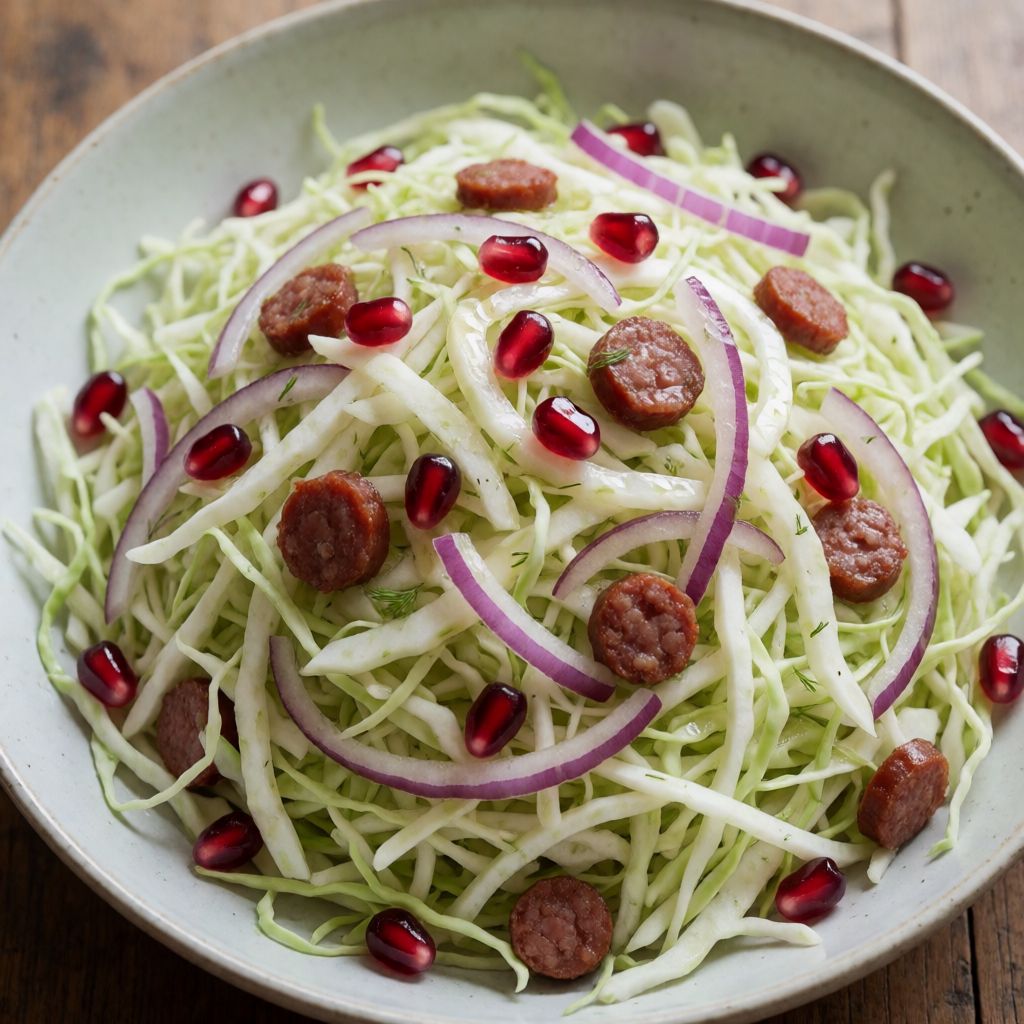
 AI photo
Pointed Cabbage Salad with Chorizo and Pomegranate
A crisp pointed cabbage salad with fennel, red onion, chorizo and pomegranate seeds.
Ingredients
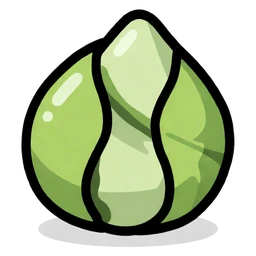
- 1 pcs pointed cabbage finely shredded
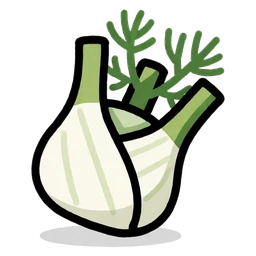
- 1 pcs fennel finely shredded
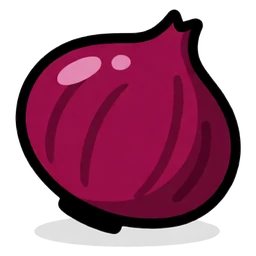
- 1 pcs red onion finely chopped
- 50 g chorizo cut into small cubes
- 50 ml pomegranate seeds
- 1 tbsp olive oil
- 1 package watercress
- salt
- black pepper freshly ground
- 3 tbsp olive oil
- 1 tbsp apple cider vinegar
- 1 tsp honey
- 1 tsp Dijon mustard









Steps
Mix the dressing, or shake it in a sealed jar until the ingredients combine.
1 minCut the pointed cabbage, red onion and fennel into very thin strips.
5 minThe salad can be served raw, or quickly fried for 1–2 minutes in a little oil in a hot pan. It shouldn't change colour, just soften slightly.
2 minMix the vegetables well with the dressing.
3 minFry the chorizo until crisp in a hot pan with a little olive oil, then scatter over the salad with the pomegranate seeds and watercress.
3 minSeason with flaky salt and freshly ground black pepper to taste.
1 min
This is a knife-and-pan salad, not a chopped-and-dressed one. The whole thing hangs on two separate decisions: how thin you cut the cabbage, and whether you touch it with heat at all. Pointed cabbage — the cone-shaped one, sweeter and looser-leaved than the round ball you'd shred for coleslaw — doesn't need the usual massaging-with-salt treatment because it's already tender. Cut it thick and it sits in the bowl like confetti refusing to take on dressing; cut it into proper ribbons and it drinks the vinegar and oil in minutes.
The fried version isn't cooking, it's a flash. A minute or two in a hot pan with a spoon of oil, and the brief says the colour must not change. That's the test: if the cabbage goes dull green or starts to collapse, you've gone past softening into stewing, and you've lost the point of using a crunchy vegetable in the first place. Some cooks skip this step and serve everything raw — fine, that's the other valid version, not a shortcut taken under duress. Heat here is optional seasoning for texture, not a requirement for safety or flavour.
Chorizo brings salt, fat and smoke, and it should be fried hard enough to crisp at the edges and render some of its own orange fat into the pan — that fat is not wasted, it's the bonus dressing nobody asked for but everyone eats first. Pomegranate seeds and watercress go in at the very end, off the heat, because both die the instant they meet warmth: the pomegranate turns to mush and the watercress wilts into spinach's sad cousin.
Pointed cabbage, sometimes called hispi or sweetheart cabbage, is worth seeking out rather than substituting with the round white cabbage sold for coleslaw — it's looser, sweeter, and has none of the bitter core that needs salting out. If you genuinely can't find it, a young round cabbage works, but shred it thinner than you think necessary and expect slightly more bite. Fennel does a similar job of giving crunch, but brings aniseed instead of cabbage's mustard-sharpness — if you dislike that flavour, celery sliced paper-thin is the honest substitute, not a disguise for it but a different crunch with its own character. Cut both on a mandoline if you own one; by hand, a sharp knife and patience, because a blunt one tears the leaf instead of slicing it, and torn cabbage bruises brown at the edges within the hour.
Red onion goes in raw and finely chopped specifically because its sharpness needs to mellow in the dressing rather than being cooked out — if raw onion repeats on you, soak the chopped pieces in cold water for ten minutes and drain before mixing; that pulls out the sulphur compounds responsible without needing heat.
Chorizo is the one component that isn't negotiable on quality — buy the cured, ready-to-eat cooking chorizo (not the hard salami-style eating chorizo, which won't render fat the same way), because it's that paprika-stained fat you're frying out that carries half the flavour of the finished salad. No chorizo to hand, a smoked bacon lardon fried crisp gets you most of the way — smoke and salt and crunch — though you lose the paprika note. Vegetarian versions exist with smoked tofu, but be honest with yourself that you're making a different salad, not a faithful substitute.
Pomegranate seeds you can buy ready-popped in small tubs now, which saves the ten minutes of bruising a whole fruit with a wooden spoon over a bowl — a method that works but leaves your kitchen looking like a small crime scene. Watercress specifically, not rocket or baby spinach, because its pepperiness argues with the honey in the dressing rather than agreeing with it — that argument is the point.
The dressing itself is a basic vinaigrette ratio — three parts oil to one part acid, loosened with honey and sharpened with mustard, which acts as the emulsifier holding oil and vinegar together instead of them separating into slicks. Olive oil should taste of something; if yours is a flavourless own-brand bottle meant for frying, use it for the chorizo pan and find something greener for the dressing itself. Apple cider vinegar can be swapped for any vinegar with no more than mild sweetness of its own — white wine vinegar, even a squeeze of lemon in a pinch — the only real failure is using a vinegar so strong it fights the honey instead of balancing it.
This feeds four as a starter or side to something plainer — it's built to sit next to a roast, not replace one, cutting through fat the way a good side salad always has to earn its place on a Sunday table.