
 AI photo
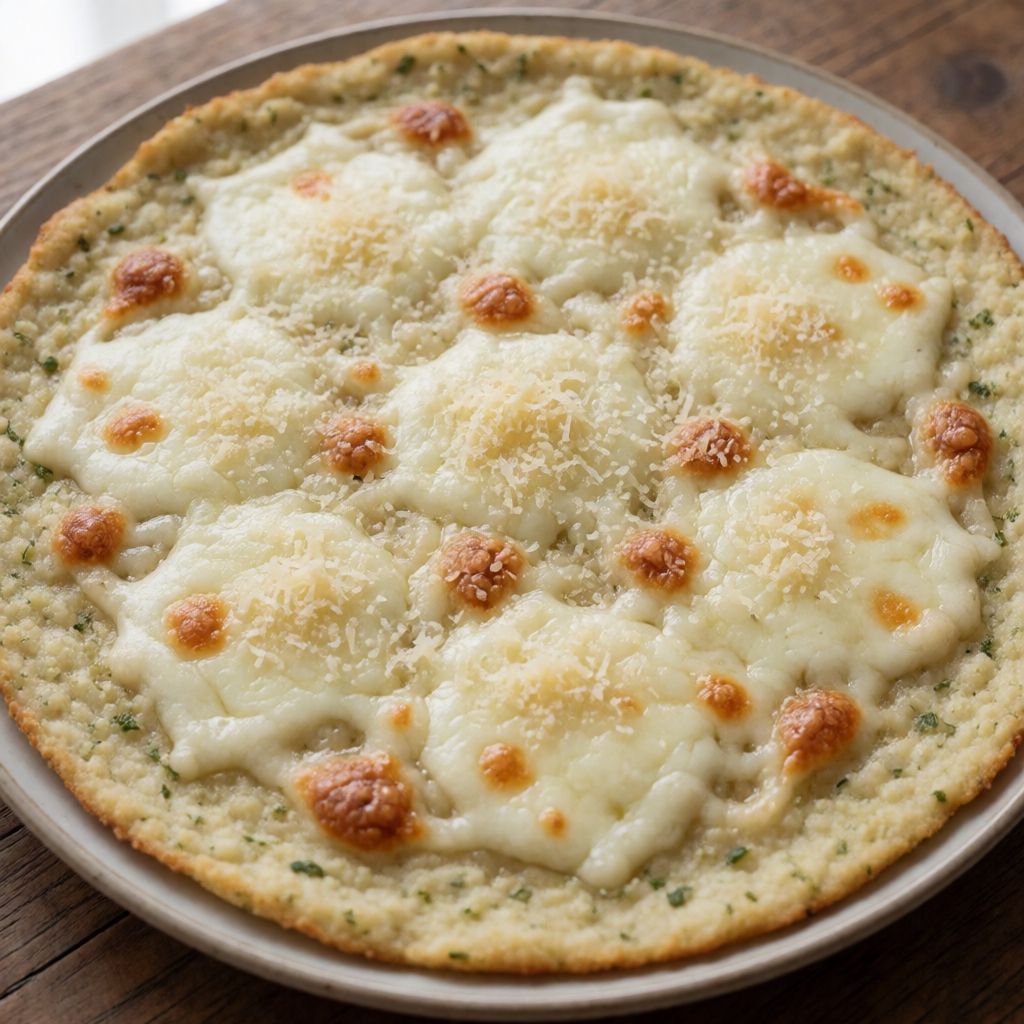
Cauliflower Base Pizza
A low-carb pizza with a cauliflower base topped with tomato sauce, mozzarella and tomato.
Labels are worked out automatically from the ingredients and can be wrong. Check the packaging if it matters to you.
Ingredients
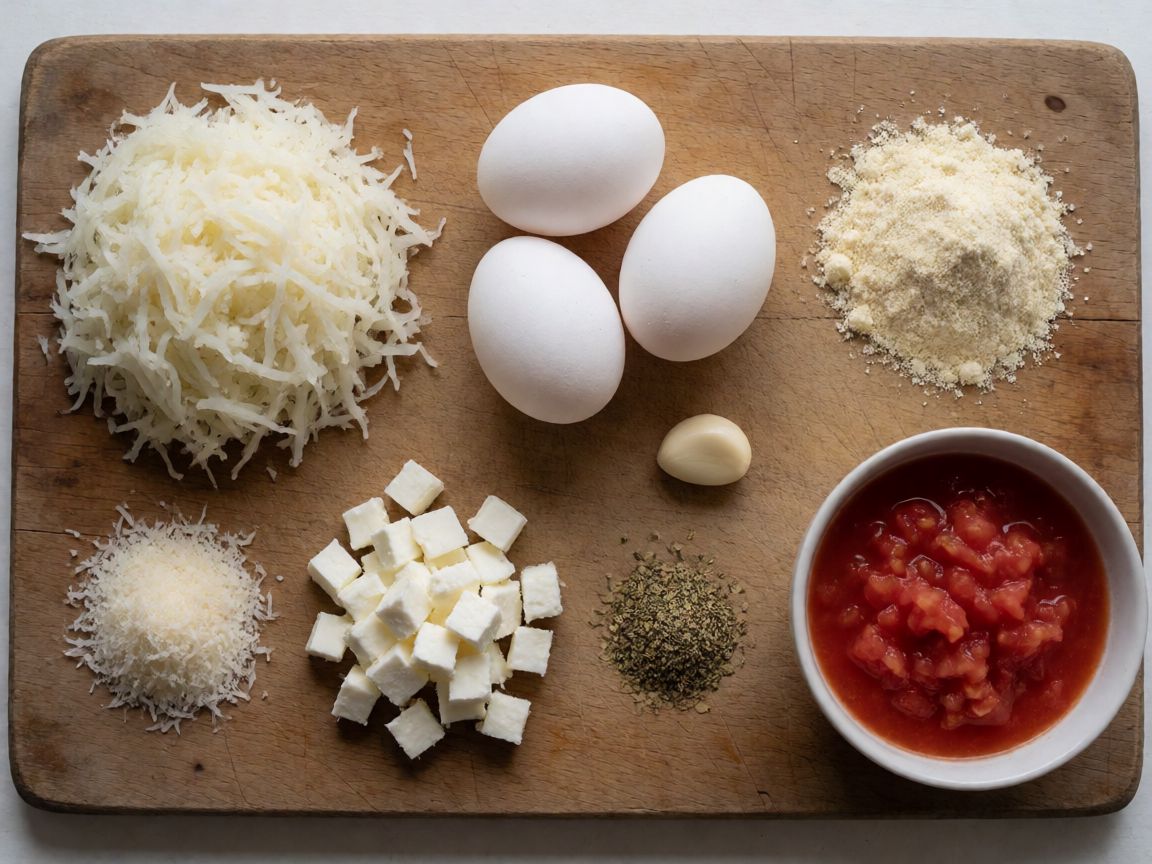
- 1 pcs Cauliflower finely grated
- 3 pcs Eggs
- 1 clove Garlic crushed
- 15 pcs Almonds ground to the texture of almond flour
- 75 g Parmesan finely grated
- 60 g Mozzarella finely chopped, fresh
- Salt
- Black pepper freshly ground
- 1 tbsp Oregano dried
- 400 g Canned chopped tomatoes
- 1 tsp Oregano dried
- 125 g Mozzarella sliced, fresh
- 2 pcs Tomato sliced
- 1 bunch Parsley for garnish










Steps
Mix all the base ingredients well in a bowl and spread in a thin layer on a baking tray lined with parchment paper.
Smooth the cauliflower base into a thin layer with your hands.
This amount makes about 1½ baking trays of "pizza".
Pre-bake the bases for 20 minutes in a preheated fan oven at 220°C, until just crisp.
20 minMeanwhile, simmer the tomato sauce with the oregano in a saucepan until it is creamy rather than watery.
Top the baked pizza bases with the filling.
Spread a thin layer of tomato sauce, then add the cheese and toppings, except for the fresh parsley.
Finish baking the pizza in the oven for 16–18 minutes at 190°C with fan.
18 min
This isn't pizza pretending to be healthy — it's a cauliflower pancake wearing a pizza's clothes. No flour, no yeast, no dough to prove. The "base" is grated cauliflower bound by egg and cheese, baked hot and fast until it stops being a wet vegetable and starts being a structure. Everything about whether this works comes down to one thing: water. Cauliflower is mostly water, and a pizza base cannot be.
Some say grate it finer and it'll crisp better. No — fineness isn't the issue, moisture is. You can grate it to dust and still end up with a soggy tray if you don't deal with the water cauliflower releases once it's cut and heated. The eggs and cheese here aren't flavour extras, they're glue: egg proteins set when heated and hold the shreds together, cheese melts and fills the gaps. Almonds, ground fine, add a bit of fat and body without tasting of much — they're doing what flour would do in a normal base, giving structure some backbone.
The first bake, hot and uncovered on a tray, is not about colour. It's about driving off water before you add a wet tomato sauce on top. Skip it or shorten it and you get a base that's crisp at the edges and limp porridge in the middle — the classic cauliflower-pizza failure, and it's not the vegetable's fault, it's impatience with the drying step.
The second bake, lower and gentler, is about melting cheese and warming toppings without re-wetting what you just dried out. Two different jobs, two different heats — that's the whole logic of the two stages.
The cauliflower itself: grate it finely because surface area helps it release water fast and bind evenly, not because fine is fancy. If your cauliflower is enormous, use what you need by weight and freeze the rest raw — it grates just as well from frozen, in fact sometimes better, since freezing ruptures the cell walls and the water comes out quicker once thawed. Just squeeze it, don't skip that, however boring it feels standing over a sieve with a tea towel. That squeeze is doing the job the first bake can't fully do alone.
Eggs are structural, not optional padding — three eggs for one cauliflower head is roughly the ratio that sets without turning rubbery. If you're out, you have no real swap here; egg's job (protein that firms on heat) isn't replicated by a flour slurry in a base this wet. Don't try.
Parmesan and mozzarella are doing two separate things. Parmesan, finely grated, is salt and savoury backbone baked into the base itself — it melts fully and vanishes into the structure. Mozzarella, chopped small, brings pockets of stretch and moisture-holding fat. Use any hard, well-aged grating cheese if you're out of parmesan — pecorino, grana padano, anything sharp and dry works the same way. For the mozzarella inside the base, fresh is right; the ball type, not the dry pizza-shred bags, because you want it to melt into the mix, not sit in clumps.
Almonds ground to flour are your only real substitute territory: any nut or seed ground fine and low in its own strong flavour will do the same binding-and-bulking job — a few tablespoons of any neutral ground nut, or even fine breadcrumbs if nut allergies are the concern, though that stops this being gluten-free, which may be the whole point for some cooks.
The tomato sauce reduction matters more than people think. Canned chopped tomatoes straight from the tin are mostly water and acid; simmered down until it coats a spoon rather than runs off it, you've removed the second source of wetness that could undo your dried-out base. Oregano twice — once in the sauce, once presumably meant for the base mix as dried herb — is just seasoning layered at two points so it doesn't all cook away in one long simmer.
On your hob: a wide domestic pan handles the sauce reduction fine, just give it time uncovered — a lid traps the steam you're trying to lose, so no lid here, that's the point of reducing. A fan oven at the stated heats is doing real work: fan ovens push hot air across the surface faster, which is exactly what you want for drying a wet vegetable base quickly rather than steaming it slowly. If your oven has no fan, push the first bake a little longer and watch for the edges lifting and going dry rather than trusting the clock — the recipe's own minutes are a floor, not a verdict. Patience here isn't poetic, it's literally the difference between pizza and cauliflower mash with toppings.