
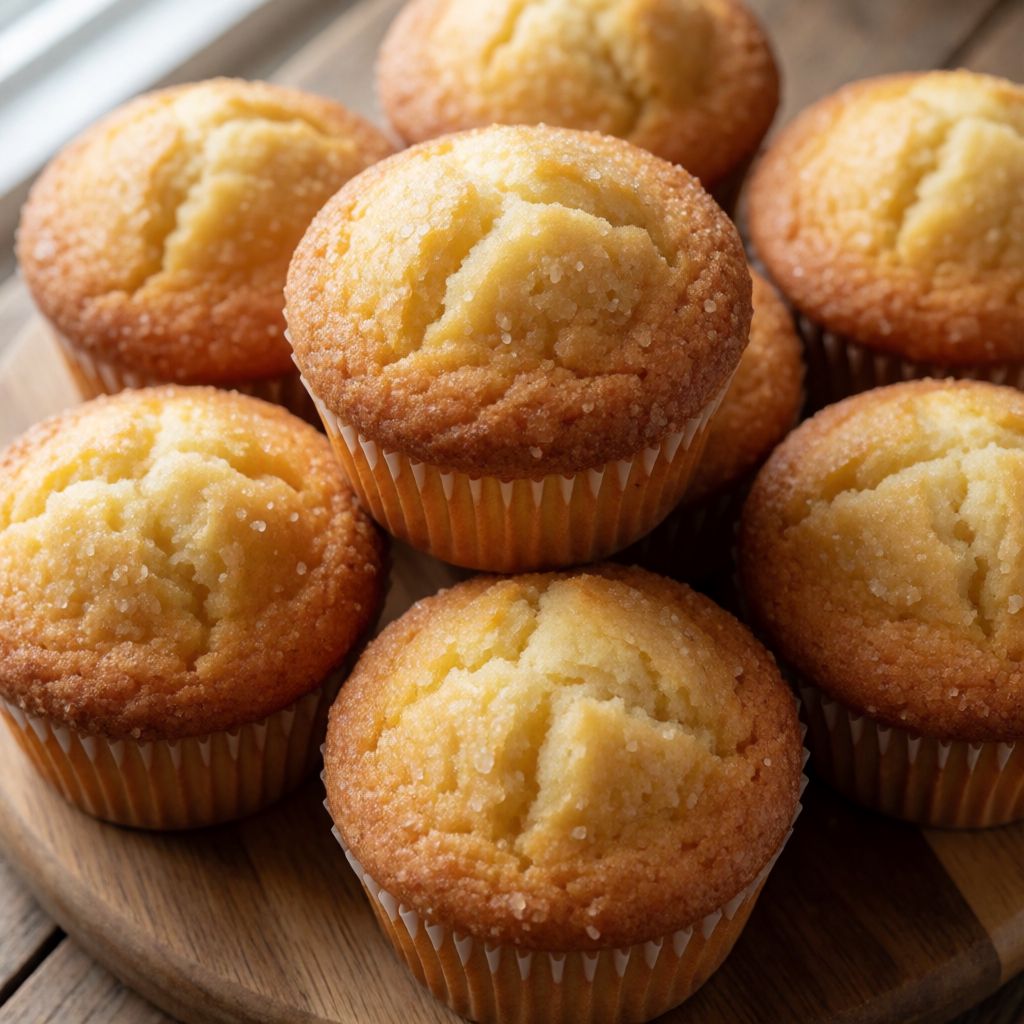
 AI photo
Crunchy Muffins
A soft muffin batter topped with a crunchy crumble, perfect for breakfast or an afternoon treat.
Labels are worked out automatically from the ingredients and can be wrong. Check the packaging if it matters to you.
Ingredients
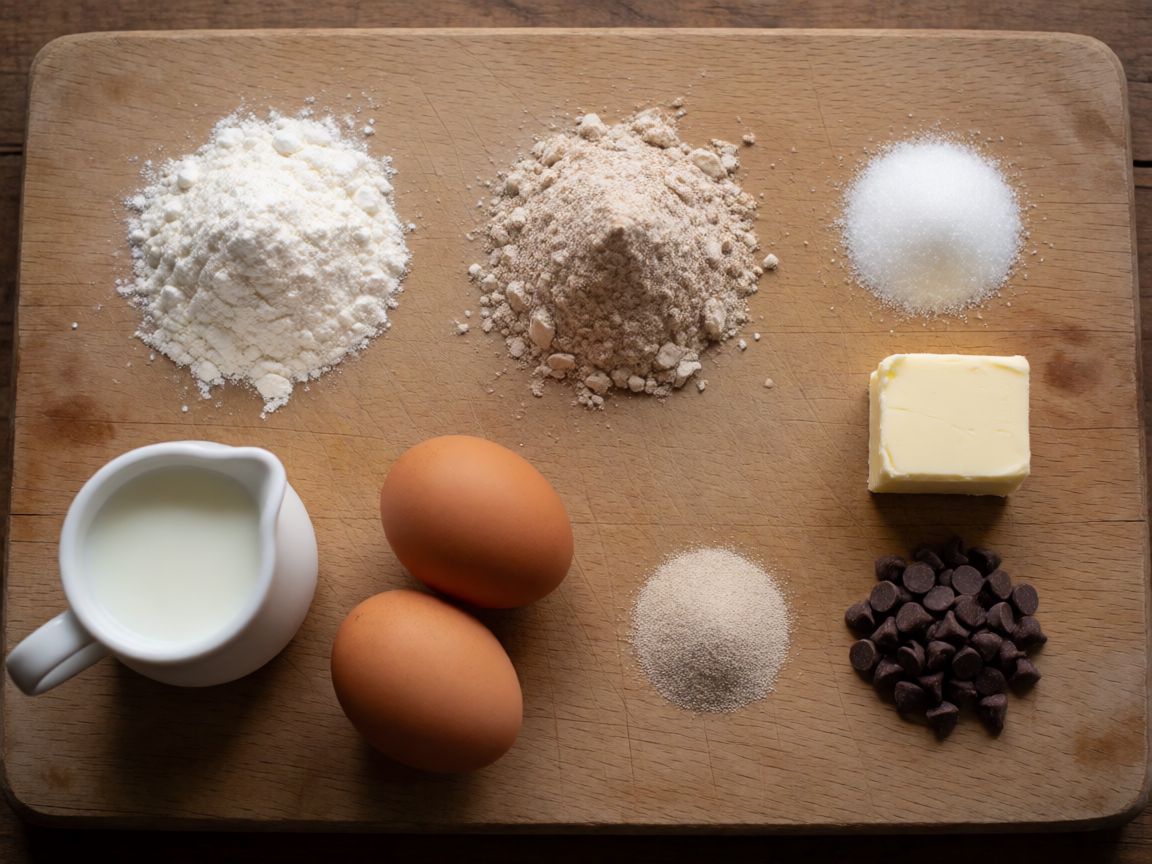
- 200 g Plain flour
- 75 g Wholemeal flour
- 130 g Caster sugar
- 110 g Butter
- 100 ml Milk
- 2 pcs Eggs
- 2 tbsp Yeast
- Chocolate chips to taste






For the topping
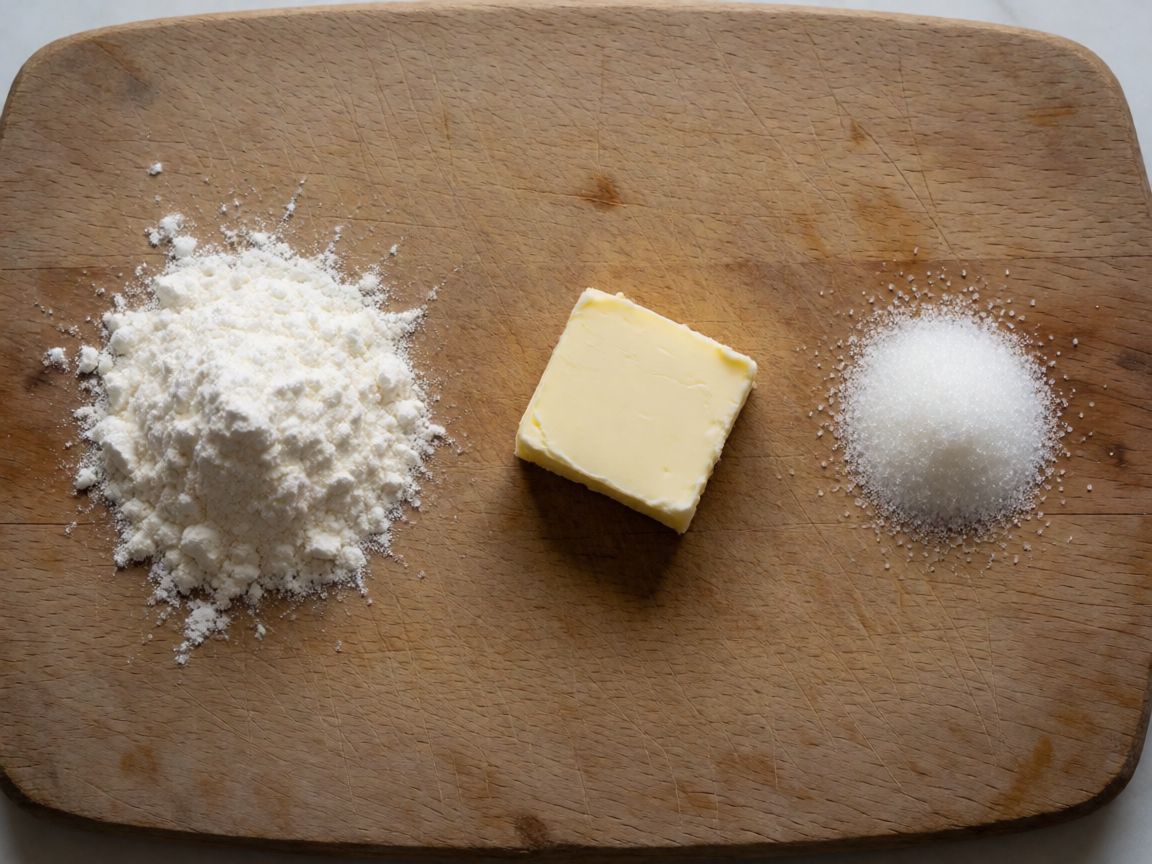
- 60 g Plain flour for the topping
- 40 g Butter for the topping
- 30 g Caster sugar for the topping
Steps
Rub the plain flour, butter and sugar for the topping together with your fingers until crumbly, then set aside.
Mix the muffin batter ingredients together in a bowl, leaving it slightly lumpy.
Fold in a filling of your choice: chocolate chips, diced apple or pear, or blueberries and raspberries.
Divide the batter between 12 muffin cases, then sprinkle the crunchy topping over each muffin.
Bake in the oven at 190°C until done.
30 min
These are muffins with a crumble lid, not fancy pastries — the kind you make on a Sunday morning while the roast is still just a thought for later. Two people, twelve cases: you're not meant to eat all of these today. That's the whole point of baking a dozen for two — some go in the tin, some go in the freezer, and a mug of tea with milk takes care of the rest.
What decides whether they rise soft or sit like bricks is not the oven, not even the yeast — it's how long you stir. A muffin batter is not a sauce. The second flour meets liquid, gluten starts forming strands, and strands mean chew. Stir until smooth and you build a tight web that traps gas badly and bakes dense. Stir until "slightly lumpy" and you leave enough slack for the batter to lift and stay tender. Some say a smooth batter makes a better muffin — no, a smooth batter makes a good bread roll that's wandered into the wrong case.
The topping runs on the opposite logic. Butter, flour and sugar rubbed with your fingers into coarse crumbs builds fat-coated lumps that never touch liquid. Fat wrapped around flour stops it drinking moisture from the muffin underneath, so in the oven it doesn't melt into the surface — it dries and sets into the crunch the name is promising you. Do it with a spoon instead of fingers and you just get sticky paste that sinks in and goes soft. Fingers, because fingers give off exactly enough warmth to soften the butter and not a degree more — any more and you've made a paste, not a crumb.
About that "2 tbsp yeast" — read it as baking powder, not the living kind. There's no proving time written anywhere, no rise-and-knock-back, and two tablespoons of actual yeast in this amount of flour would turn your kitchen into a small brewery. What this batter needs is a leavener that fires the moment it meets oven heat, not one that wants an hour on the windowsill first. If the label says yeast and your gut says that's a lot, trust your gut.
Flour is split two ways on purpose. Plain flour supplies the gluten that holds a crumb together; wholemeal brings bran, which cuts those strands short and gives the muffin some backbone and a faint nuttiness instead of plain sweetness. No wholemeal in the cupboard — use all plain, the muffin goes a touch softer and plainer, nothing breaks. Don't swing the other way and go all wholemeal; bran everywhere with no plain flour to stretch against gives you a dry, dense crumb.
Butter does two jobs here and wants two different temperatures for them. In the topping it needs to be cold enough to rub into crumbs — room-temperature, not melted, not fridge-hard. In the batter it wants to be melted or very soft, so it coats the flour fast and mixes in without the long beating a creamed-butter cake would need. That's why this is the quick "muffin method," not the cake method: wet into dry, briefly, done. Any fat with no smell of its own stands in for butter in the batter — a flavourless vegetable oil, for instance — though you lose the faint savoury note butter gives. Eggs bind the structure and bring moisture; milk loosens the mix to the right pouring thickness and feeds tenderness through its fat. Whole milk gives a slightly richer crumb than skimmed, but this isn't custard — fat content here is a nudge, not a decision.
Sugar in the batter does double duty: sweetness, and holding water. That's the actual reason these keep for a day or two in a tin instead of drying to sawdust, so ignore anyone who tells you home-baked muffins must be eaten the day they're made — no, because the sugar is holding onto moisture on your behalf. Sugar in the topping is there purely for crunch: it melts at oven heat and sets again on cooling into that thin glassy snap over the crumbly flour-and-butter underneath.
On fillings — chocolate chips are the forgiving choice because they add no water. Diced apple, pear or berries bring juice, and juice wants to sink straight through runny batter to the bottom of the case. Tossing the fruit in a spoon of flour first actually does what people say it does: the flour skin soaks up surface moisture and grips the batter instead of sliding through it, so the fruit stays where you folded it rather than pooling at the base.
Your kitchen oven isn't calibrated like a test kitchen's. If yours is fan-assisted, 190°C runs hotter in practice than the same number on a conventional setting, so start checking the crumble nearer the start of thirty minutes, not after it's up. A skewer through the centre coming out clean, and a topping gone dry and faintly golden rather than pale and damp, tell you more than the clock does. I've pulled a tray out because it looked risen and watched the middle fall ten minutes later, more than once — the crumb needs time to actually set, not just to look tall. Patience isn't optional sentiment here, it's an ingredient, same as the flour.