
 AI photo
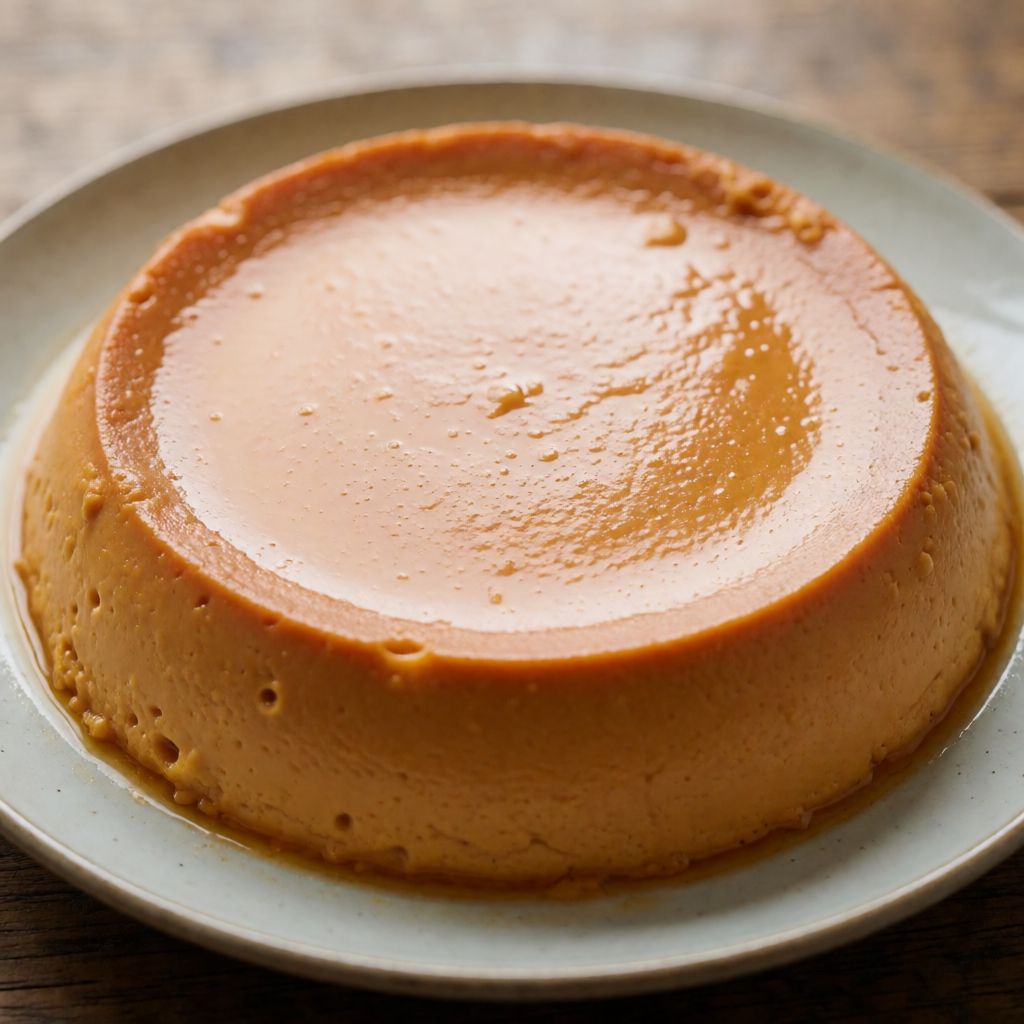
Pumpkin Flan
A creamy baked pumpkin flan topped with a smooth robiola cream.
Labels are worked out automatically from the ingredients and can be wrong. Check the packaging if it matters to you.
Ingredients









Steps
Peel the pumpkin, remove the seeds and fibres, cut into slices and arrange on a baking tray lined with baking paper.
Drizzle with olive oil, season with salt and pepper and add the sage leaves. Bake at 180°C (or 200°C conventional) until the flesh is soft.
20 minTransfer the roasted pumpkin to a blender, add the eggs, Parmesan, milk and nutmeg. Blend until smooth and creamy.
Butter 6 moulds of 125 ml and line with baking paper. Fill two-thirds full with the mixture.
Place the moulds in a deep tray and pour hot water halfway up the sides. Bake at 160°C fan (or 180°C conventional) for 30-35 minutes.
33 minRemove the flans from the oven and let them cool completely before unmoulding.
With a hand blender, whisk the robiola with the milk, salt, pepper, Parmesan and nutmeg until smooth.
Unmould the flans, place on plates, spoon over the robiola cream and garnish with sage if desired.
This is a flan in the old sense — not the caramel custard sold under that name now, but a savoury baked custard, the French word for something set with egg and roasted until it holds a shape of its own. Pumpkin gives it body, egg gives it structure, and the whole thing works or fails on one thing: how much water is in the pumpkin before it meets the egg.
Pumpkin is mostly water dressed up as flesh. Roast it rather than boil it and you drive that water off as steam instead of leaving it in the vegetable to dilute your custard later. Boiled pumpkin tastes of pumpkin-flavoured water; roasted pumpkin tastes of itself, concentrated, a little caramelised at the edges where the sugars have browned. That's not decoration — it's the difference between a flan that sets firm and one that weeps liquid onto the plate.
The doneness cue for the pumpkin isn't a clock, it's the fork: it should go in without resistance, the flesh collapsing rather than cracking. Twenty minutes is the oven's suggestion, not its promise — a thin-skinned squash may be there sooner, a dense one later. Look, don't count.
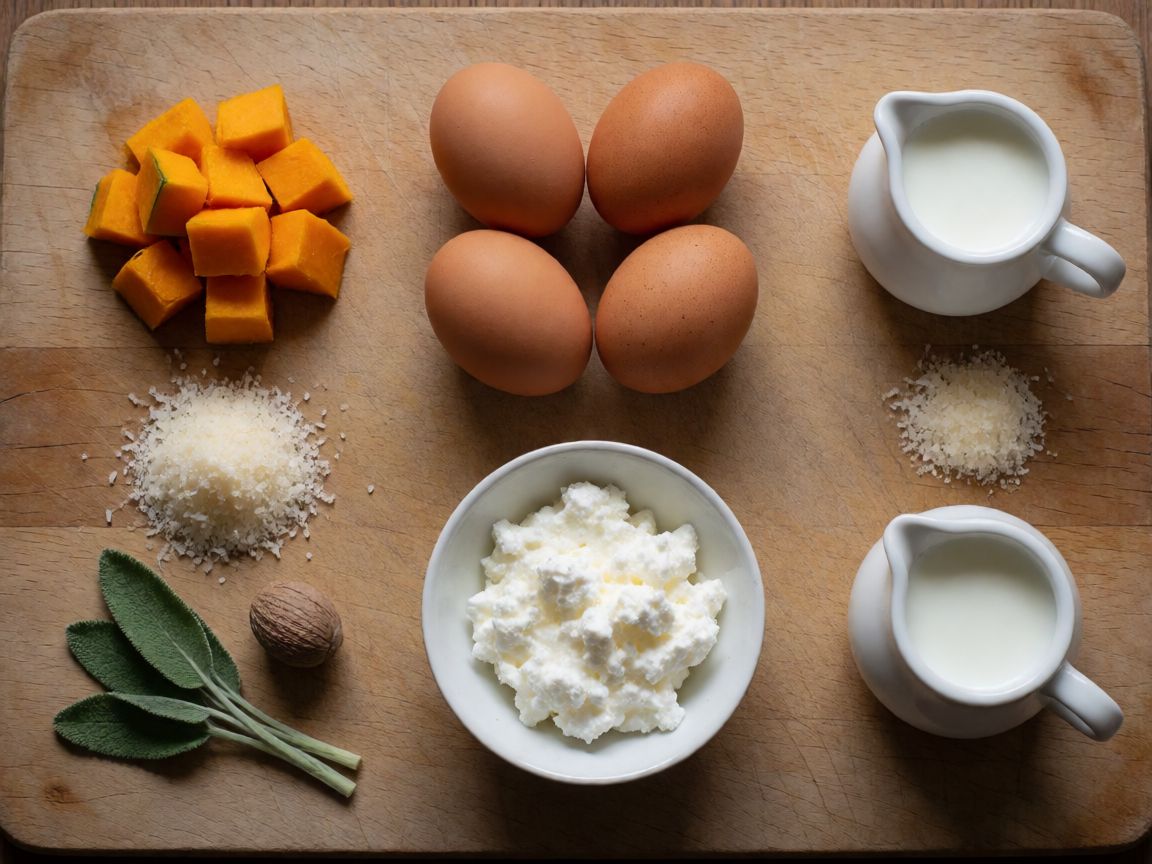
The pumpkin itself: buy for dryness, not sweetness. A butternut or a proper pumpkin, firm and heavy for its size, roasts down to less water than a wet, stringy supermarket "pumpkin" sold around Halloween that's really decoration first, food second. If what you've got is watery, roast it a little longer and let it sit on paper towel after, to blot — you're chasing the same dry, concentrated flesh either way.
Parmesan here is doing a job, not a flavour cameo: it's salt, savouriness, and a little extra protein to help the custard set, all in one. A hard, aged grating cheese is the category — Parmesan is the obvious member of it, Grana Padano a cheaper cousin that does nearly the same work for less money, which is exactly why Italian kitchens default to whichever is on sale.
Eggs are the actual architecture. Four eggs to 600g pumpkin and this liquid is roughly the ratio that sets at a gentle oven temperature without turning rubbery — more egg and you get something closer to a boiled egg than a custard, which is the fault you're avoiding by not overbaking. Use eggs at room temperature if you can; cold egg straight into warm pumpkin purée just means a longer blend to get it smooth, nothing more dramatic than that.
Robiola is a soft, spreadable Italian cheese, closer to a rich cream cheese than to anything crumbly. If your shop doesn't stock it, mascarpone loosened with a little extra milk gets you the same silky, barely-set sauce — the criterion is "a soft fresh cheese that will whisk to cream," not the brand name. This sauce is cold and plain where the flan is warm and roasted, and that contrast is the actual point of serving them together — don't skip it thinking it's a garnish.
Nutmeg and sage are both doing the same job from different directions — nutmeg lifts the pumpkin's sweetness from inside the mixture, sage, roasted until it goes slightly crisp at the edges, gives you something savoury and faintly bitter to bite against. Neither is essential in the sense that the flan collapses without it, but both are cheap insurance against the dish tasting merely of sweet orange mush.
On cooling: let the flans go properly cold before you try to turn them out. Warm egg custard is still soft-set and will tear or stick to the mould; cold, it's firm enough to hold its shape and release cleanly. This is patience as an ingredient, not a formality — rushing this step is how you end up serving broken flans and calling it rustic.
Six 125ml moulds, filled two-thirds, feeds six as a starter — this is a first course, not a Sunday roast centrepiece, closer to a potted dish you'd serve before the main event than a replacement for one. No kazan, no special kit beyond a blender and a deep tray for the water bath — both things that live in an ordinary British kitchen already.