
 AI photo
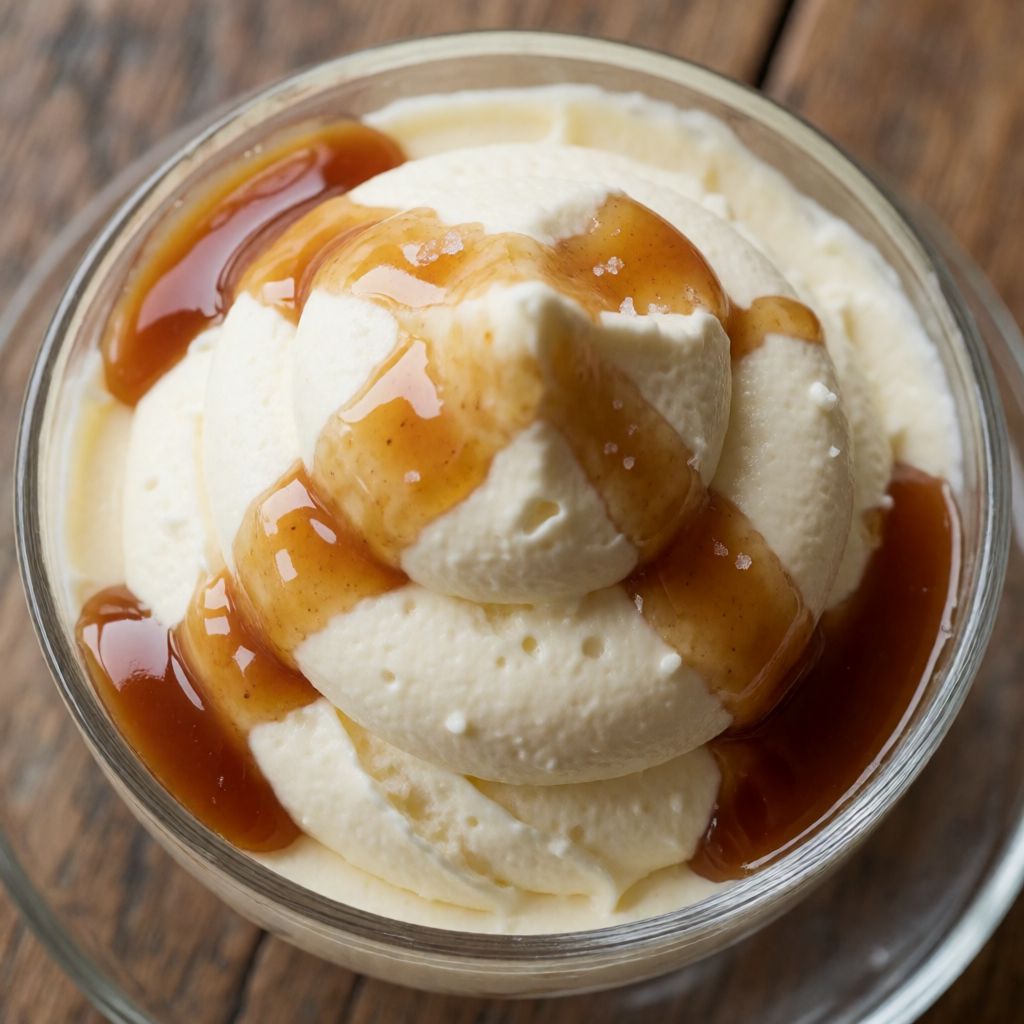
Cheesecake Mousse with Salted Caramel
A creamy cheesecake mousse layered with crushed amaretti biscuits and salted caramel, served in glasses.
Labels are worked out automatically from the ingredients and can be wrong. Check the packaging if it matters to you.
Ingredients
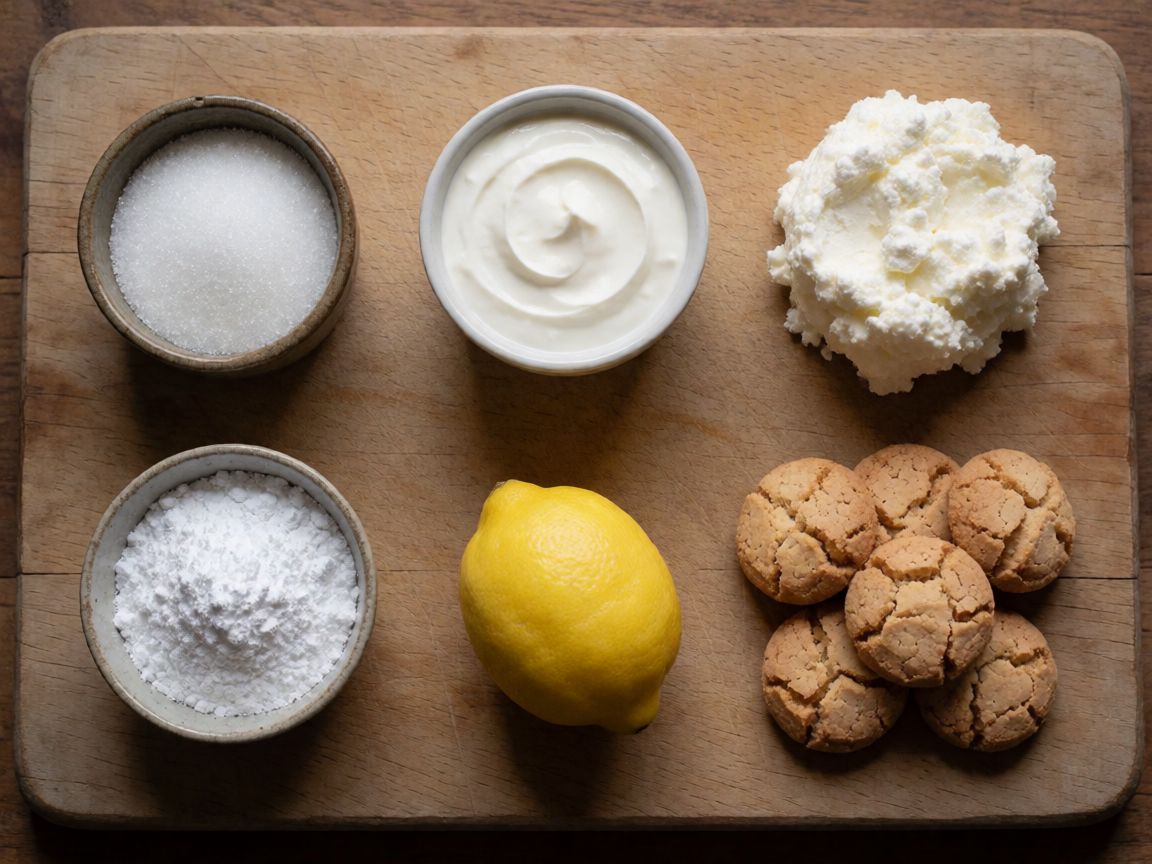
- 175 g Caster sugar
- 60 ml Water
- 250 ml Double cream
- 3-4 g Salt
- 250 g Cream cheese
- 250 g Ricotta
- 50 g Icing sugar
- 1 pcs Lemon zest of half a lemon
- Amaretti biscuits to taste









Steps
Put the sugar and water in a saucepan. Cook over low heat to make a caramel, watching the colour until it reaches 165°C.
Once the caramel turns golden, lower the heat and pour in the cream, stirring well.
Raise the heat and bring to the boil. Add the salt, stir, remove from the heat and let cool completely.
Combine the cream cheese and ricotta in a bowl, add the icing sugar and beat with a mixer until smooth.
Flavour with lemon zest and mix thoroughly.
Transfer the cream to a piping bag fitted with a round nozzle.
Place roughly crushed amaretti biscuits in the bottom of serving glasses, then spoon a layer of salted caramel on top.
Pipe a layer of cream, then sprinkle with crushed amaretti biscuits.
Finish with swirls of cream and a drop of salted caramel on top.
Serve immediately or keep chilled in the fridge.
This isn't baked cheesecake pretending to be humble — it's cheesecake stripped down to the two things that actually matter: a tangy, cold cream and a bitter-sweet caramel to cut it. No oven, no water bath, no 3am worry about cracks across the top. You build it in a glass, in layers, and it's done the moment it's assembled. The whole dish lives or dies on the caramel.
Caramel is sugar pushed past sweetness into something darker. Left at 160°C it's amber and fruity; push it to 170°C or beyond and you cross into burnt, bitter, done. The recipe asks for 165°C — that's not a fussy number, it's the window where you get deep flavour before bitterness takes over. Watch colour, not the clock: colour tells you what's happening in the pan, a timer tells you nothing about your actual stove, your actual pan, your actual batch of sugar.
The myth worth killing here: that caramel needs constant stirring. Some say stir it the whole way — no, because stirring encourages sugar crystals to seed and the whole pot turns gritty and sandy instead of glassy. You want the sugar left mostly alone, swirled gently at most, until it melts and colours on its own terms. Only once the cream goes in do you stir properly, and even then — off the heat first, or down low — because cold cream hitting violently hot sugar makes it spit and seize.
Salt earns its place for a real reason, not fashion. Caramel on its own is one-note sweetness with a burnt edge; salt (3–4g, a scant teaspoon) wakes up the tongue so you taste the caramel's depth instead of just "sugar, but darker." This is why shop caramel sauce tastes flat next to home-made salted caramel — manufacturers under-salt because salt varies batch to batch and they want consistency, not character. In your kitchen you can taste and adjust, which is the one advantage you have over a factory.
Double cream, not single, not whipping cream — you need the fat (at least 36%) to survive being poured into near-boiling sugar without curdling or thinning out. If you've only got whipping cream, warm it gently first so the temperature shock on contact with the caramel is smaller; it'll still work, just carry it less generously.
Cream cheese is the backbone of any cheesecake worth the name — full-fat, the block kind, not the spreadable tub meant for toast, which carries more water and will make your mousse slump rather than hold its piped shape. Ricotta softens that density; without it you'd have something closer to pure cream cheese icing, heavy rather than mousse-like. If ricotta isn't to hand, mascarpone works but pushes the whole thing richer and sweeter — pull back on the icing sugar if you use it.
Icing sugar beats caster sugar here for one plain reason: it's already powder. Caster sugar needs time and vigorous beating to dissolve into cold fat, and in a cold cream mixture it often doesn't fully disappear — you get a faint crunch that reads as a mistake, not a texture. Icing sugar vanishes on contact.
Lemon zest: use the zest only, none of the white pith underneath — that's where the bitterness lives, not the flavour. Half a lemon's worth, grated finely, is enough to lift the dish without turning it into lemon cheesecake. No lemon in the house? Orange zest does a similar job, just with a rounder, less sharp edge.
Amaretti biscuits bring almond and a drier crunch than digestives would. If you can't get them, a digestive or even a plain shortbread, crushed roughly rather than to dust, gives you the same job — textural contrast — even if the almond note is lost. Crush by hand or with a rolling pin in a bag; a food processor turns it to sand and you lose the crunch entirely.
One honest note on your hob versus a professional kitchen: sugar work is unforgiving on domestic rings because heat isn't always even, and a cheap pan can scorch one side before the rest has coloured. Use the heaviest-bottomed pan you own, keep the heat low and patient rather than rushing it to speed things along — caramel punishes impatience more than almost anything else you'll cook. And once it's made, let it cool properly before it meets the cream cheese mixture; hot caramel against cold cheese will just melt everything into soup, and you'll have wasted the patience you just spent.