
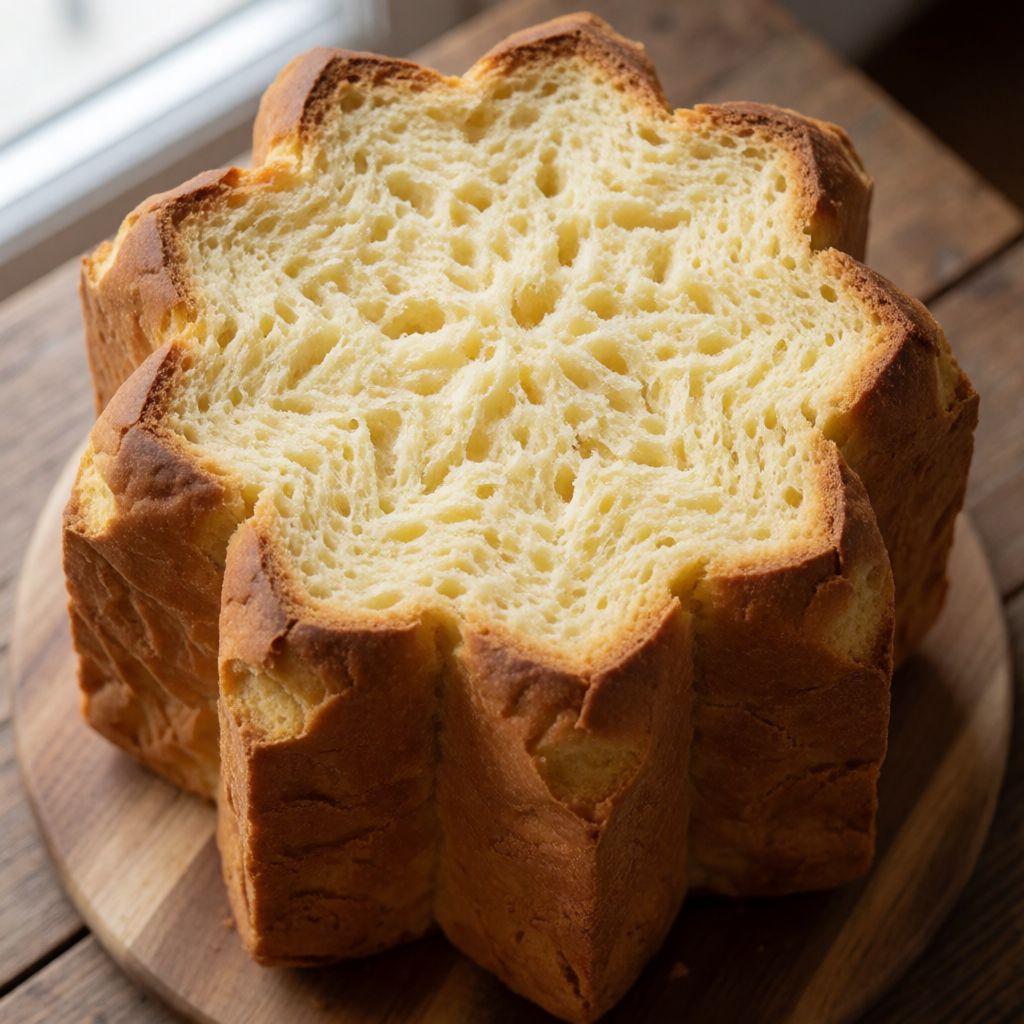
 AI photo
Homemade Pandoro
A homemade version of the classic Italian festive sweet bread, enriched with butter, egg yolk and vanilla.
Labels are worked out automatically from the ingredients and can be wrong. Check the packaging if it matters to you.
Ingredients
Poolish
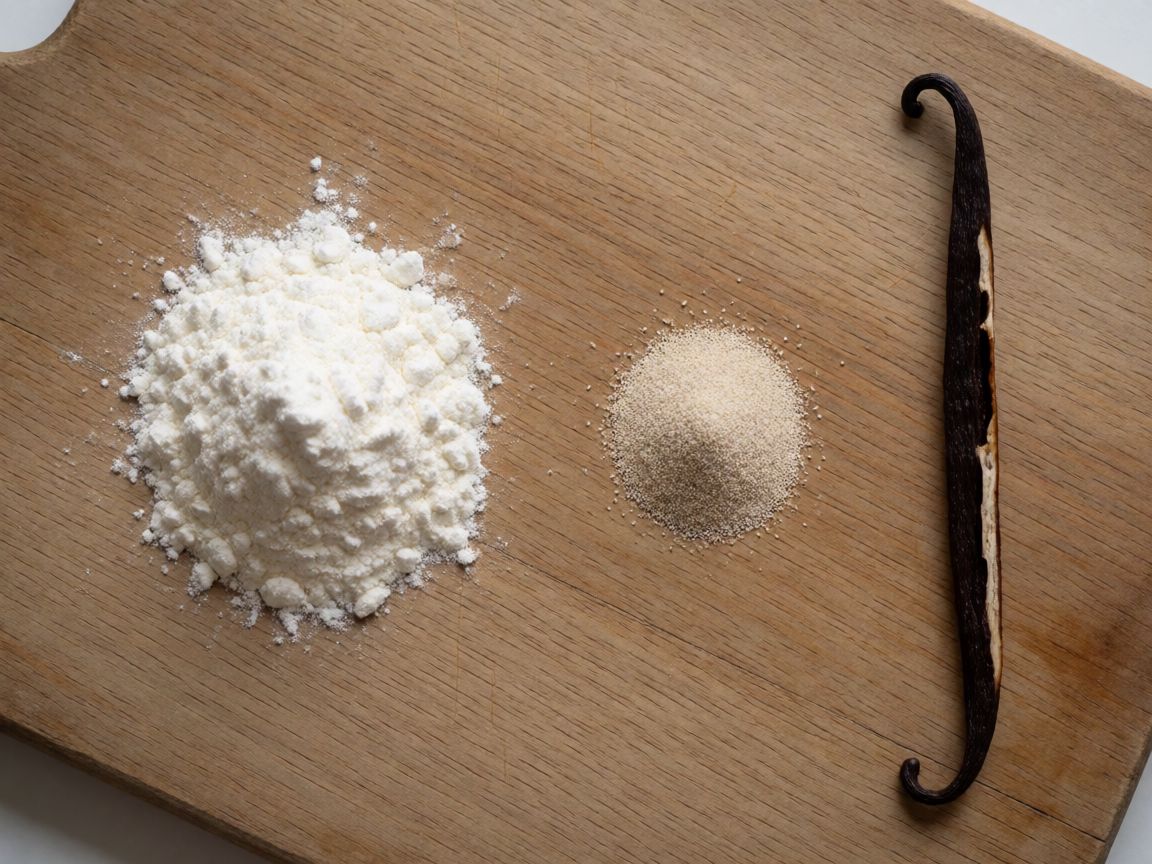
- 50 g Strong flour
- 9 g Yeast
- 75 ml Water
- 0.5 pcs Vanilla pod




Pre-dough
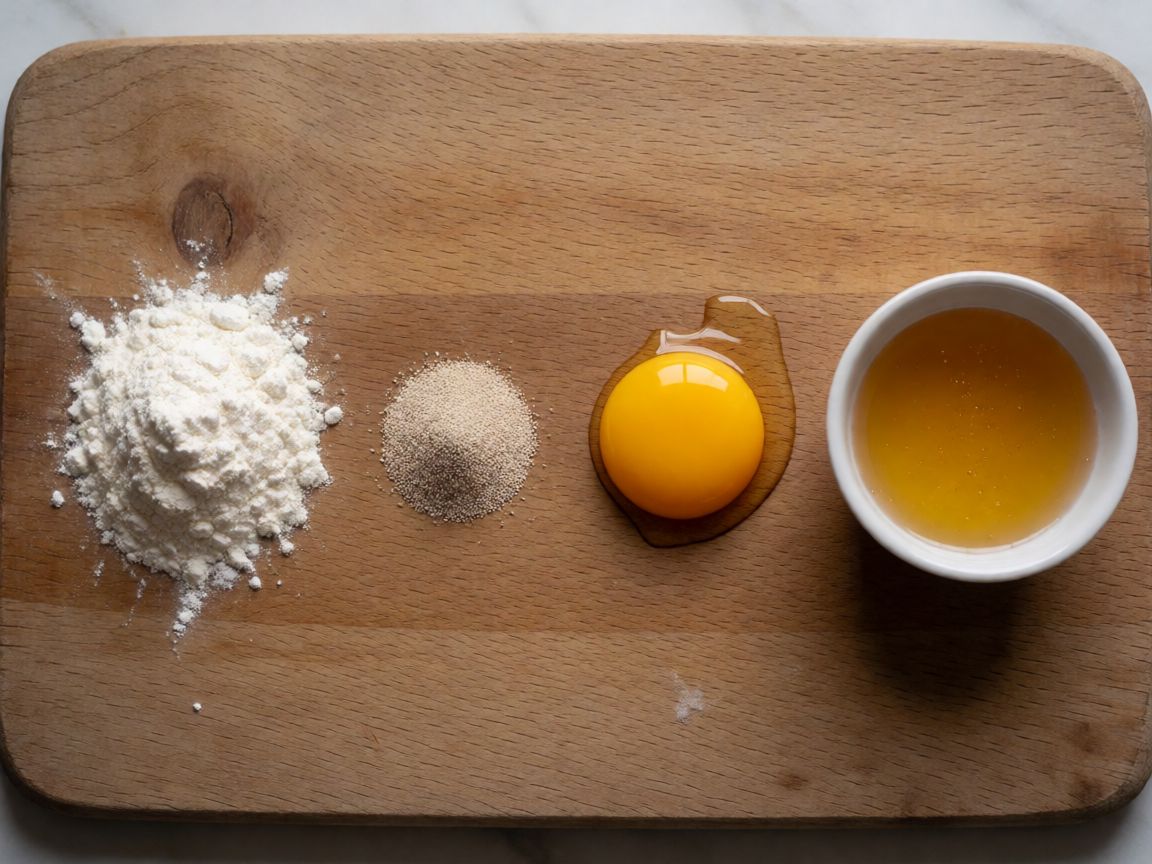
- 70 g Strong flour
- 12 g Yeast
- 35 ml Water
- 1 pcs Egg yolk
- 1 tbsp Honey


First dough
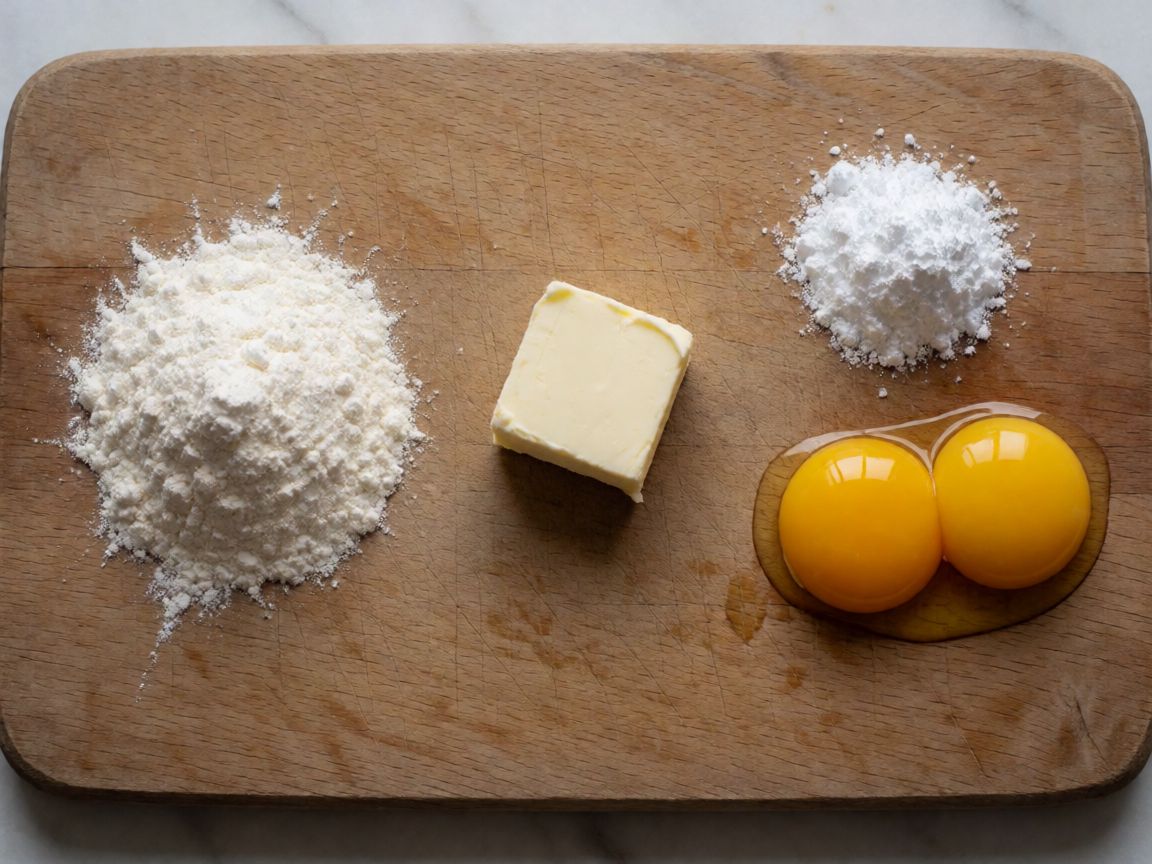
- 100 g Strong flour
- 60 g Butter
- 50 g Icing sugar
- 2 pcs Egg yolk


Second dough
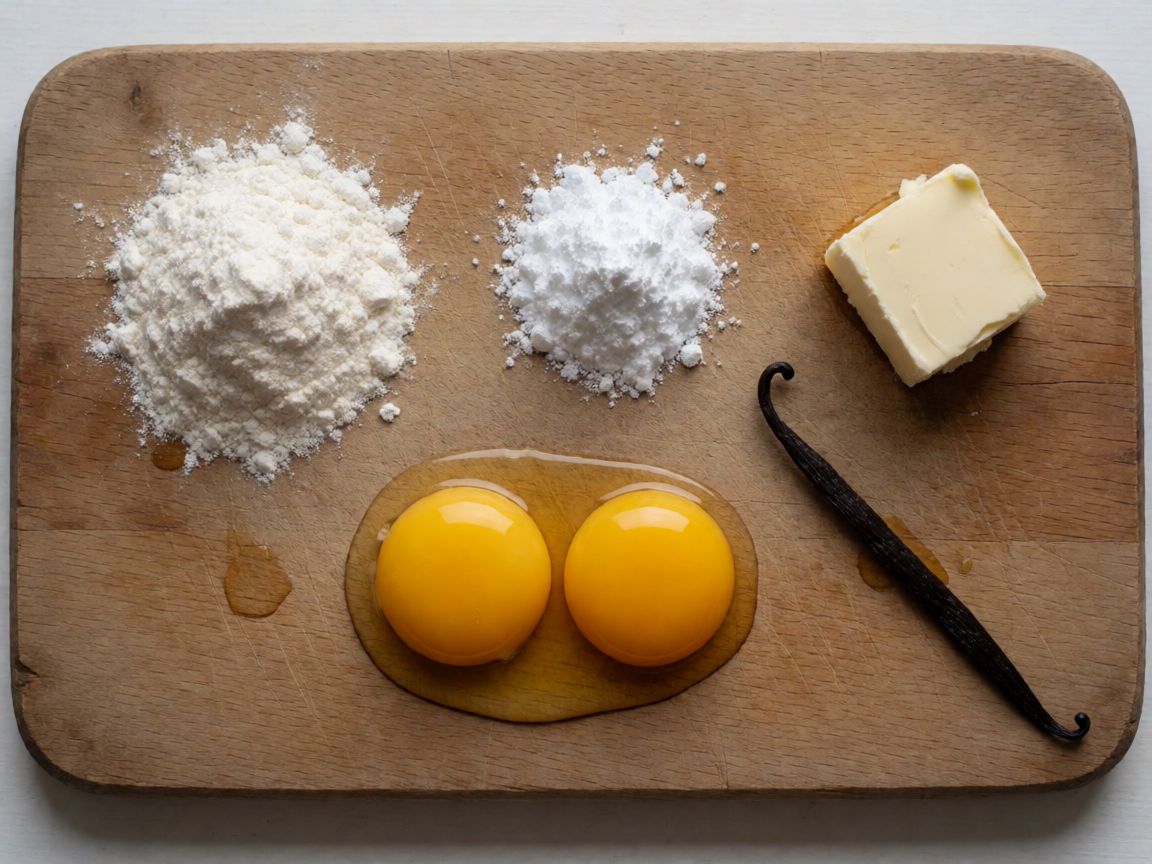
- 200 g Strong flour
- 120 g Icing sugar
- 60 g Butter
- 2 pcs Egg yolk
- 0.5 pcs Vanilla pod
Steps
Dissolve the yeast in the water, add the vanilla seeds, and gradually stir in the flour with a fork.
Cover with film and refrigerate for 12 hours.
720 minRemove the poolish from the fridge and let it sit at room temperature for about 1 hour.
60 minDissolve the yeast in the water, add the honey and egg yolk, and whisk vigorously.
Stir in the flour with a fork until smooth, cover with film and leave to rise for 1 hour at room temperature.
60 minTake the butter out of the fridge, cut it into cubes and let it come to room temperature.
Combine the poolish and pre-dough in the bowl of a stand mixer and turn it on at low speed.
Gradually add the flour, then the egg yolk, icing sugar, the remaining ingredients, then the butter in pieces.
Keep kneading until the dough is smooth and elastic, cover with film and leave to rise for 2 hours.
120 minPlace the bowl with the first dough on the mixer and add flour, egg yolk, icing sugar and flour as instructed.
Add the softened butter, cover and leave to rise for 1 hour.
60 minDust the work surface with flour, transfer the dough, lift the edges and fold them to the centre.
Transfer to a buttered pandoro mould, cover with film and leave to rise until it reaches the top of the mould.
150 minBake in a preheated oven at 170°C for 40-45 minutes, covering with foil if needed.
42 minCheck with a wooden skewer, let cool and serve dusted with icing sugar.
Pandoro is Verona's answer to the question "what if we skipped the fruit in panettone and just chased pure butter and air?" No candied peel, no raisins — just a star-shaped crumb so fine it tears like silk, gold inside, dusted with icing sugar to look like the snowy Alps it's named after (pan d'oro, "bread of gold", though the colour comes from egg yolk, not treasure). What decides whether it works is not the oven. It's the clock, three separate times over, and whether you respect what yeast actually needs: time at a gentle temperature, not heat to rush it.
This is built in three doughs, each one feeding the next. A poolish goes in the fridge for twelve hours — that's not tradition for its own sake, that's chemistry working slowly so the gluten develops flavour and strength without you having to knead it to death. Cold slows the yeast right down so it doesn't exhaust itself before the butter even arrives. Then a second, quicker dough at room temperature. Only once both are alive and smelling faintly of fermentation do you combine them with the final flour, sugar and — the whole point of the exercise — a huge amount of soft butter, worked in piece by piece.
Flour first. "Strong flour" means high protein — what you'd call bread flour here, not plain, not self-raising. The protein is what gluten is made of, and gluten is what has to hold all that butter and air without collapsing. Use plain flour and the structure gives out under the fat; the pandoro sinks rather than standing tall in its star-mould. If you can find Italian "00" strong flour (sometimes labelled "manitoba") that's closer to what Verona bakers use, but British strong white bread flour does the job.
Yeast here is fresh or active dried — either dissolved straight into water, never straight into flour or next to salt, which would slow it or kill it. If all you've got is fast-action dried yeast from a sachet, use about a third of the weight given; it's more concentrated. Don't be tempted to add more yeast to speed things up. More yeast doesn't mean faster good bread, it means the dough rises before the flavour's developed and collapses before it reaches the oven — a trade you don't want.
The egg yolks (several, across the three doughs) are doing two jobs: colour and fat. That golden crumb isn't a dye, it's yolk fat and water locking into the dough, which is also why pandoro is soft enough to tear with your fingers days later rather than going stale like ordinary bread. Use the freshest, best yolks you can — supermarket "woodland" or free-range, orange-yolked ones, if you want the colour without resorting to artificial help.
Butter: unsalted, and taken out of the fridge properly ahead of time so it's soft enough to yield under a spoon but not melting — room temperature in a British kitchen in winter might mean an hour by the radiator, not just "on the counter". Cold butter won't incorporate, it'll shred through the dough in lumps; melted butter turns the whole thing oily. If your kitchen's cold, cut it small first — more surface area softens faster without needing heat.
Icing sugar rather than caster because it dissolves into the dough without leaving grit, and because that's also what finishes the loaf at the end — the same bag does both jobs. Vanilla pod rather than extract if you can get one; real vanilla seeds give you tiny black flecks through the gold crumb, which is part of the look, not just the taste. No pod in the cupboard — a teaspoon of good vanilla extract, added with the water, is an honest substitute; vanilla sugar is a weaker one.
The mould is the one piece of equipment you can't talk your way round. A pandoro tin is an eight-pointed star, tall-sided, and it's what gives the loaf its shape and its ability to stand without support while that much soft, buttery dough would otherwise slump sideways — there's no kazan-and-lid workaround here the way there might be for a stew. If you don't own one, a tall panettone tin or a deep charlotte mould lined and buttered generously will get you a dough that rises and bakes properly, even if it comes out round instead of starred; the mechanism — walls holding a slack dough up while it proves — matters more than the shape.
The oven at 170°C is moderate for a reason: hot enough to set the crumb and colour the crust before the sugar scorches, cool enough that the inside cooks through before the outside burns, given how tall and dense with butter this loaf is. Cover with foil partway if the top's colouring faster than the inside is cooking — that's not fussiness, that's preventing a burnt dome over a raw centre. The skewer test at the end tells you what no clock can: push it into the thickest part near the centre, and it should come out clean, no wet dough clinging to it. Let it cool properly before you dust it with icing sugar, or the sugar just melts into the warm butter and disappears — patience again, right to the very last step.