
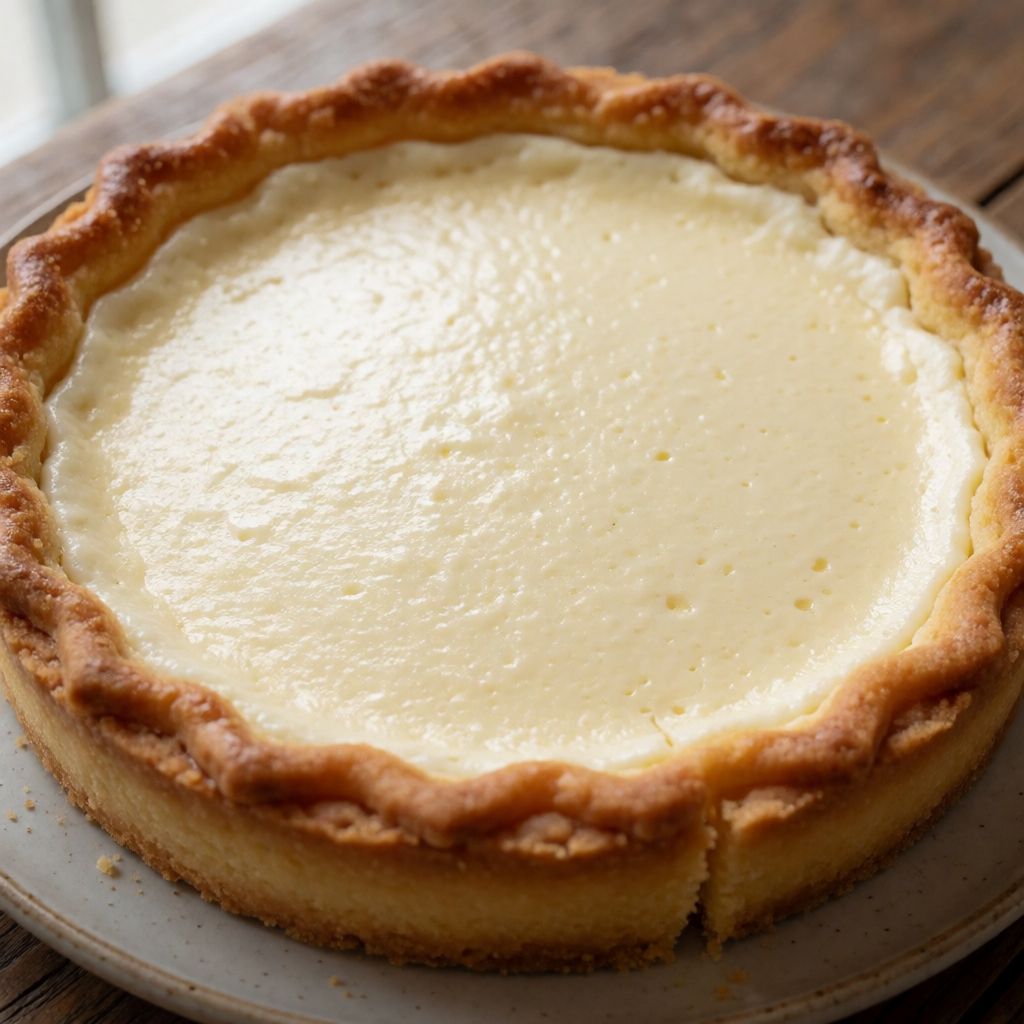
 AI photo
Tiramisu Crostata
A soft sponge base filled with a rich mascarpone and cream filling, finished with coffee and cocoa.
Labels are worked out automatically from the ingredients and can be wrong. Check the packaging if it matters to you.
Ingredients
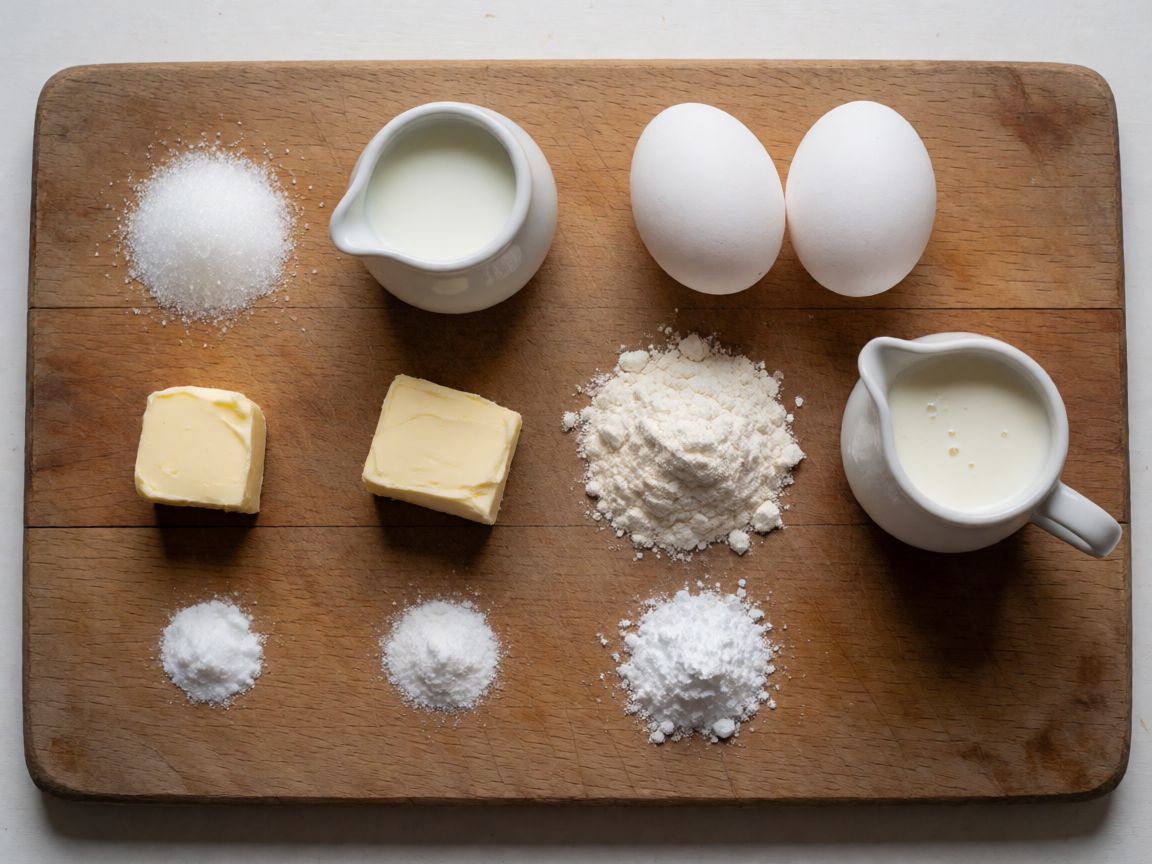
- 120 g Caster sugar
- 100 ml Milk
- 2 pcs Eggs
- 80 g Butter softened
- 200 g Plain flour
- 8 g Baking powder
- 300 ml Double cream fresh, not from a can, not pre-whipped, unsweetened
- 80 g Icing sugar
- 200 g Mascarpone
- Coffee to taste
- Cocoa powder to taste











Steps
Break the eggs into a bowl, add the sugar and whisk with an electric mixer until pale and creamy
Add the softened butter and milk, and mix well
Sift the flour and baking powder, fold into the batter in stages, mixing until smooth
Pour the batter into a greased 26-28 cm tin and level the surface
Bake in a fan oven at 175°C for 25-30 minutes
28 minAlternatively, bake in a conventional oven at 180°C for 30 minutes
30 minCool the base, turning it out onto a plate or wire rack
Combine the mascarpone with the icing sugar and whisk with an electric mixer
Add the double cream and whisk until thick and creamy
Brush the central hollow of the base with coffee using a pastry brush
Pipe the cream filling in using a piping bag with a round nozzle
Before serving, dust with cocoa powder
This isn't a crostata in the old sense — no pastry case, no jam. Someone borrowed the word for the shape: a flat cake with a hollow middle, filled. What you're actually building is tiramisu wearing a sponge instead of ladyfingers. The coffee-soaked mascarpone is still the heart of it; the base just has to hold its own weight instead of being soft biscuit stacked in a dish.
What decides whether this works has nothing to do with the oven, really — it's patience after the oven. The cake must be properly cold before you touch it with cream. A warm crumb is still soft, still a little moist inside; pipe cream into that and the heat and moisture will soften the crumb further, and your filling slumps instead of sitting proud. Cold crumb is set crumb — it holds a shape.
Second thing: don't drown the sponge in coffee. Ladyfingers in a real tiramisu are dry and full of air pockets, built to drink liquid and stay standing. Sponge cake is already moist and close-textured. Brush, don't pour — a wet brush over the hollow, not a puddle. Go further and you get a soggy bottom, except here it's a soggy middle, and the cream has nothing firm to sit on.
Eggs and sugar whisked first, on their own, before anything else goes in — that's not fussiness, that's the only place in this cake where air gets trapped. Egg proteins stretch around bubbles when you whip them with sugar; that structure is what lifts the batter later, alongside the baking powder, which only adds gas but can't create the mesh to hold it. If you dump butter in before this stage, the fat coats the egg proteins before they've opened up, and you lose most of your rise before the oven's even involved. Use caster sugar here, not granulated — it dissolves into the egg faster, no gritty bite left in the crumb.
Butter goes in soft, not melted. Soft butter folds through a foam gently; melted butter is liquid enough to collapse the air you just worked for. If your butter's still fridge-hard, better to wait twenty minutes on the counter than to microwave it halfway to melted — a lump of butter at room temperature is no inconvenience, a pan of deflated batter is.
Flour and baking powder: this is plain flour doing the job of self-raising flour, baking powder added separately so you control the lift. If self-raising flour is what you've got, skip the baking powder and use that instead — same chemistry, pre-mixed. Fold it in, don't beat it — beating plain flour into a wet batter builds gluten, and gluten is what gives bread its chew. In a cake, chew is the enemy; you want tender, not stretchy.
The 175°C fan / 180°C conventional split in the recipe isn't two different ovens guessing at the same thing — a fan pushes hot air around the cake so the edges and the centre meet roughly the same heat at the same time, which lets you run it a touch cooler. A conventional oven relies on the elements radiating heat from one or two directions, slower and less even, so it needs a few more degrees to get there in the same time. Either way, the cue that matters isn't the clock — it's the cake springing back when you press the centre lightly, and the edges just starting to pull away from the tin. Thirty minutes is the floor, not the answer.
Mascarpone is a fresh Italian cream cheese, originally a by-product of butter-making in Lombardy — cheap, perishable, meant to be used fast, which is exactly why it ended up folded into desserts rather than aged into anything grand. If you can't get it, full-fat cream cheese with no tang, loosened with a spoon of extra cream, gets you close — mascarpone has almost no acidity, so anything sharp (soured cream, crème fraîche) will throw the balance off. Double cream has to be properly double — high enough in fat to hold air when whipped; UK whipping cream works at a push, single cream never will, it just stays liquid. Coffee wants to be strong and unsweetened — a shot of espresso or strong instant, bitter enough to cut through all that sugar and fat, because its whole job here is contrast, not flavour-matching. Cocoa goes on last, right before serving, because cocoa sitting on a moist cream surface for hours draws moisture up and turns gummy instead of staying a dry, bitter dusting.