
 AI photo
Molly Cake (Whipped Cream Sponge)
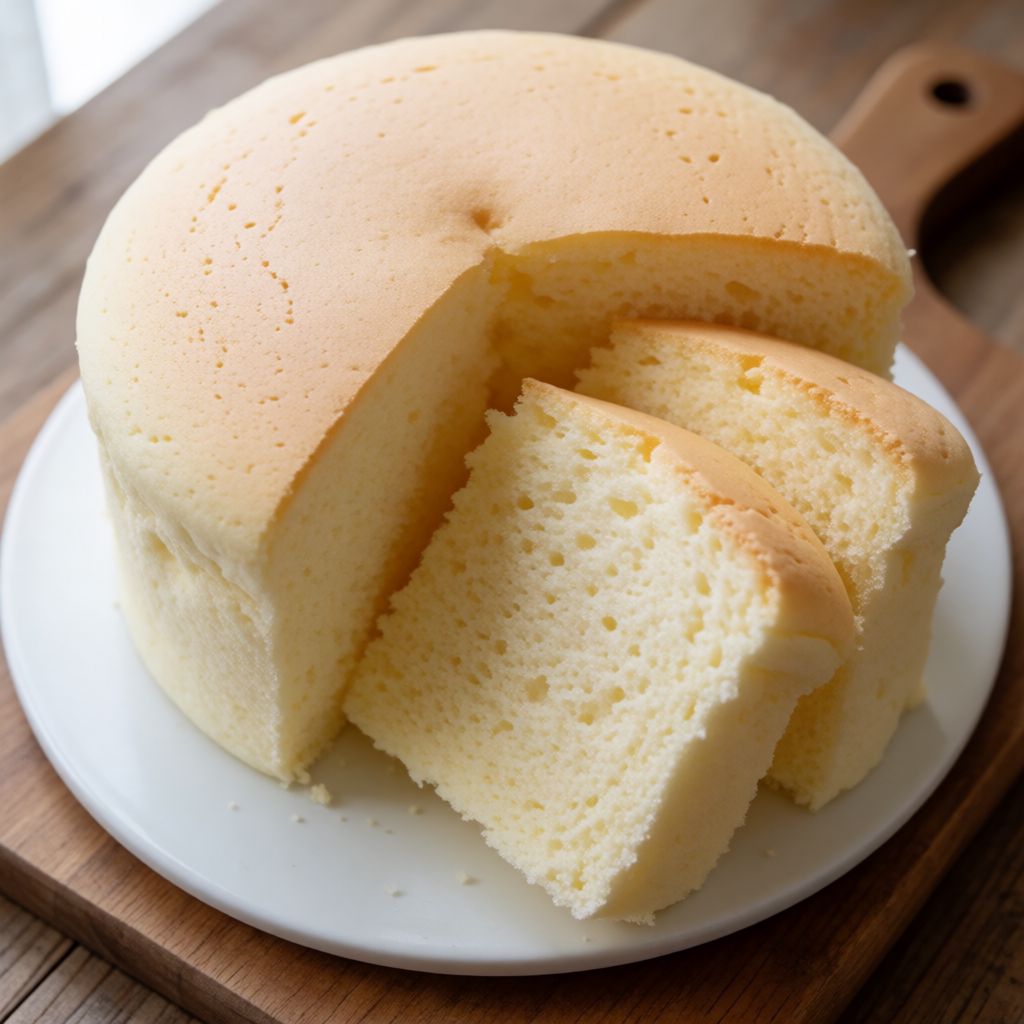
A light sponge cake made with whipped cream, flavoured with vanilla and lemon zest.
Labels are worked out automatically from the ingredients and can be wrong. Check the packaging if it matters to you.
Ingredients
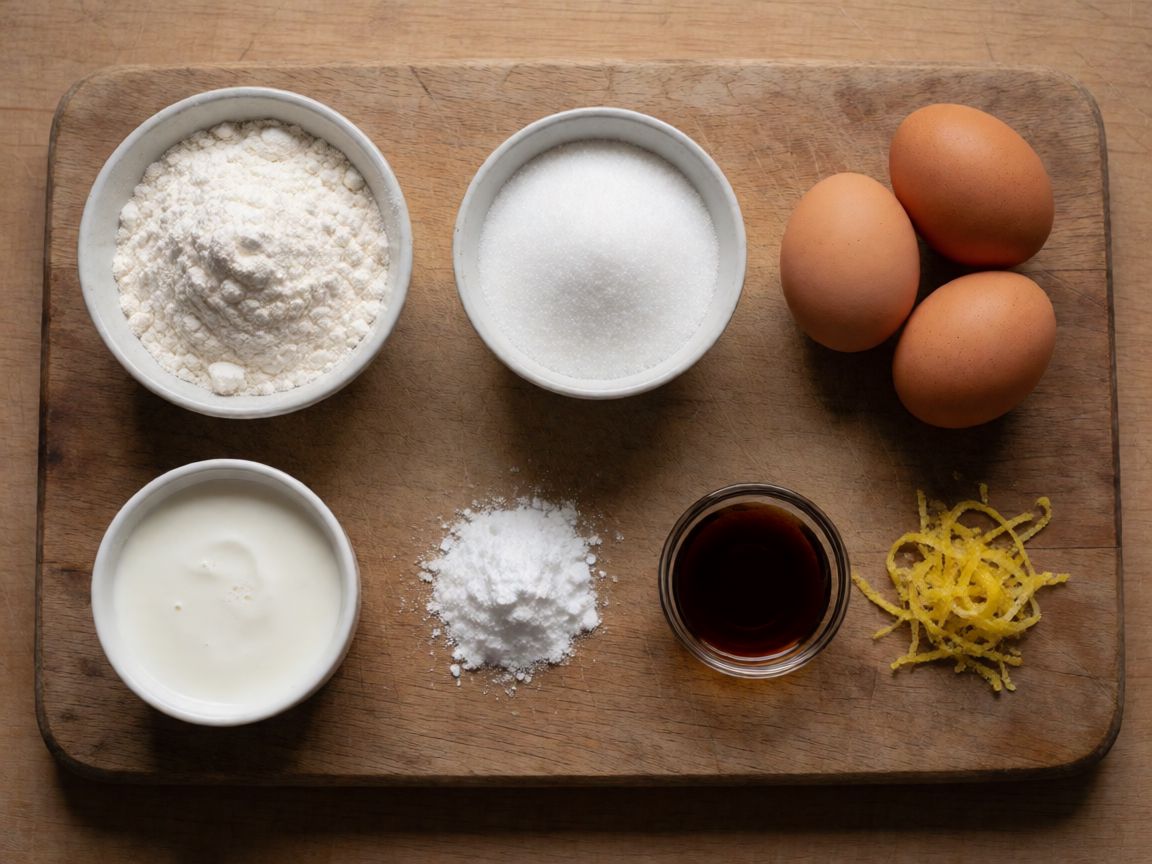
- 250 g Plain flour
- 250 g Caster sugar
- 250 g Whipping cream well chilled, whipped
- 180 g Eggs
- 1/2 pcs Baking powder half a sachet
- 1 tbsp Vanilla extract
- 1 pcs Lemon zest zest of 1 lemon







Steps
Crack the eggs into a large bowl, add the sugar and vanilla extract. Whisk with an electric mixer for about 10 minutes.
10 minSift the flour separately, then gradually fold it into the egg mixture, sifting it in over the bowl. Mix gently.
Add the lemon zest.
Fold in the chilled whipped cream a spoonful at a time, using circular movements, until the batter is smooth.
Pour the batter into a tin greased with butter and dusted with flour, and bake at 170°C for about 50 minutes.
50 minCheck that it's done with a wooden skewer, then cool the cake upside down.
Molly Cake is a French sponge that swaps butter for whipped cream - likely invented by someone with too much whipping cream and not enough patience to turn it into something fancier. The whole thing rests on three separate acts of whipping - eggs with sugar, cream on its own - followed by the brief choreography of folding them together without undoing either. Get the choreography wrong and you still get a cake, just a flat, dense one that tastes fine and sits in your stomach like a brick.
What decides whether it works is how much air goes into the egg-sugar foam at the start, and how much of that air survives everything you do to it afterwards. Ten minutes of whisking isn't a number plucked from thin air - it's roughly how long a domestic mixer needs to turn eggs and sugar from liquid into something pale, thick, and able to hold a ribbon shape when you lift the whisk. Stop early and the bubbles are big, thin-walled, and burst the moment oven heat stretches them, which is why the cake rises in the first fifteen minutes and then quietly sinks back for the rest. Go the full stretch and the bubbles are small, numerous, and tough enough to survive folding, rising, and cooling.
Eggs go in by weight, 180g, not by count, because egg sizes vary and the ratio between egg, sugar, and flour is what keeps this a sponge rather than a dense cake with eggs in it. UK medium eggs run roughly 55-60g in the shell, so three large eggs, weighed out of the shell, will usually land you close to the mark - weigh them, don't guess.
Caster sugar, not granulated, because its finer crystals dissolve into the egg foam within that ten minutes of whisking instead of sitting there gritty, dragging the mixer down and leaving sandy specks in the finished crumb. If granulated is all you have, give it a few extra minutes on the mixer and don't rush the point where it stops feeling grainy under your finger.
Plain flour, sifted over the bowl rather than tipped in. Sifting isn't ceremony - it breaks up the small clumps that would otherwise sit in the batter as dense little flour bombs, and it lets the flour settle into the egg foam gently instead of landing in a heap that needs stirring to break apart. Stirring is the real enemy at this stage: every stir is air leaving the bowl.
Whipping cream is the fat in this cake, standing in for butter. Butter needs softening or melting before it goes in, and either way it deflates a foam on contact. Cream, whipped cold, does the same job of carrying fat into the crumb while adding its own air rather than stealing any. If your kitchen's warm - say the oven's already been on for the roast - chill the bowl and beaters too, because cream whips fastest and firmest cold, and a warm kitchen is exactly where it turns runny on you halfway through.
Lemon zest and baking powder do two different jobs that both get underestimated. The zest isn't decoration - it's what stops a cake with no butter, no spice, and no chocolate from tasting flat; use a fresh lemon and stop at the yellow, the white pith underneath brings bitterness you don't want. The baking powder, at half a sachet, is kept deliberately small because the cake already has two foams doing the lifting - a full sachet would overinflate bubbles past what this structure can hold, and they'd collapse the moment the cake left the oven. If your sachet differs from whatever size this recipe assumes, go by weight - 2 to 3g is the usual meaning of "half a sachet" in a French recipe like this one.
The tin, buttered and then dusted with flour, has nothing to do with rising and everything to do with the cake leaving the tin in one piece - the rough flour-over-butter surface gives the batter something to grip as it climbs, rather than sliding and tearing. Cooling it upside down is borrowed straight from genoise and chiffon bakers: while warm, the crumb is still soft, and sitting right-side up lets the cake's own weight slowly crush its base against the rack before the structure's set. Flipped, gravity pulls against a top that has no crust yet to resist it, so the texture stays even from bottom to top. Once it's properly cool - and properly means cool, not just not-hot - turn it back the right way up.