
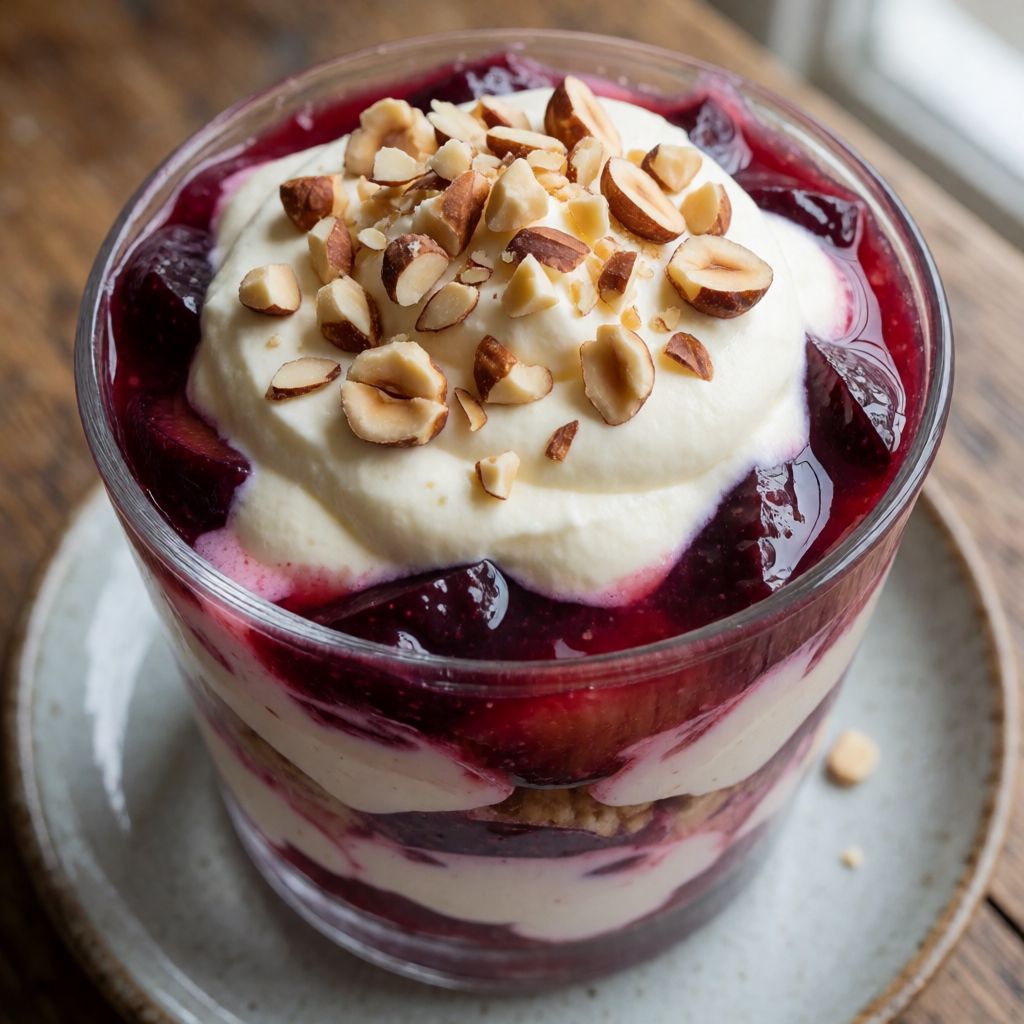
 AI photo
Plum Trifle in a Glass with Vanilla Cream
A layered dessert of roasted plums, nutty crumble and vanilla cream, served in glasses.
Labels are worked out automatically from the ingredients and can be wrong. Check the packaging if it matters to you.
Ingredients
Roasted plums
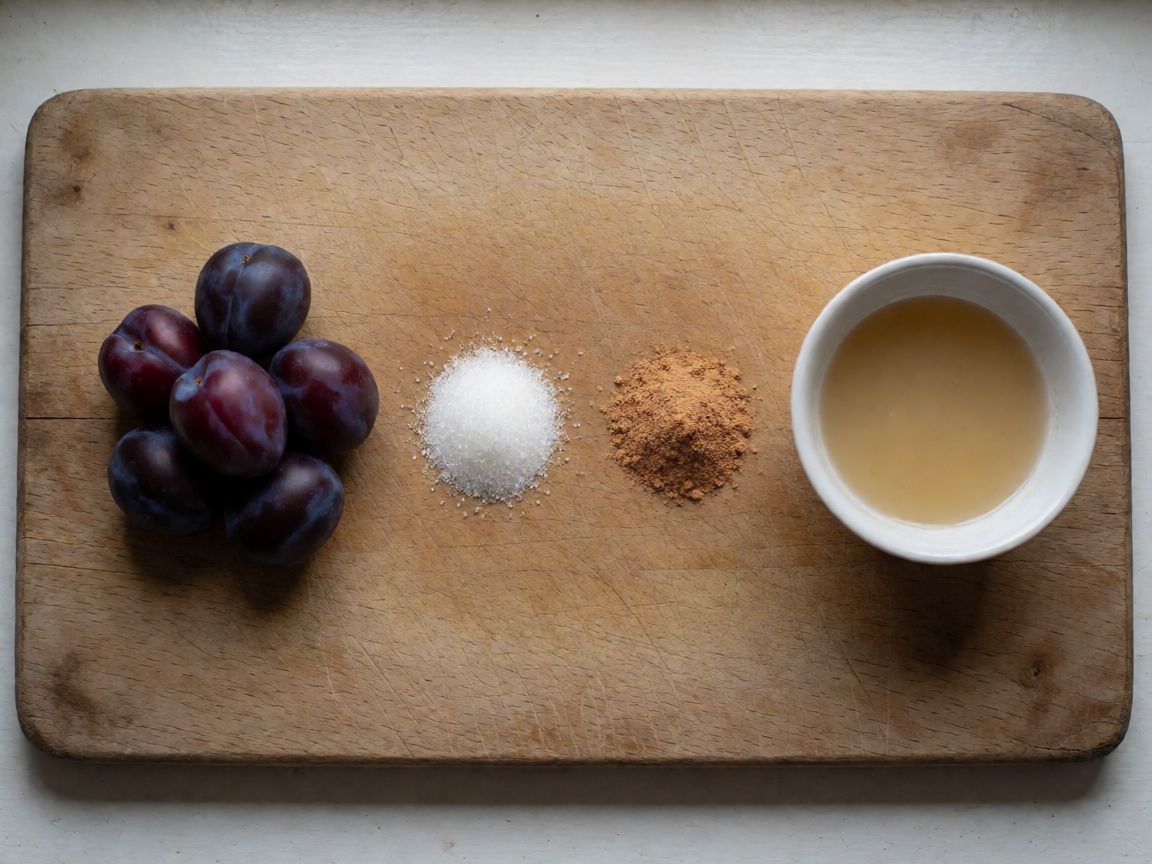
- 400 g Plums
- 40 g Sugar
- ½ tsp Vanilla powder
- 2 tbsp Rum or similar, can be left out for an alcohol-free version


Nut crumble

Vanilla cream
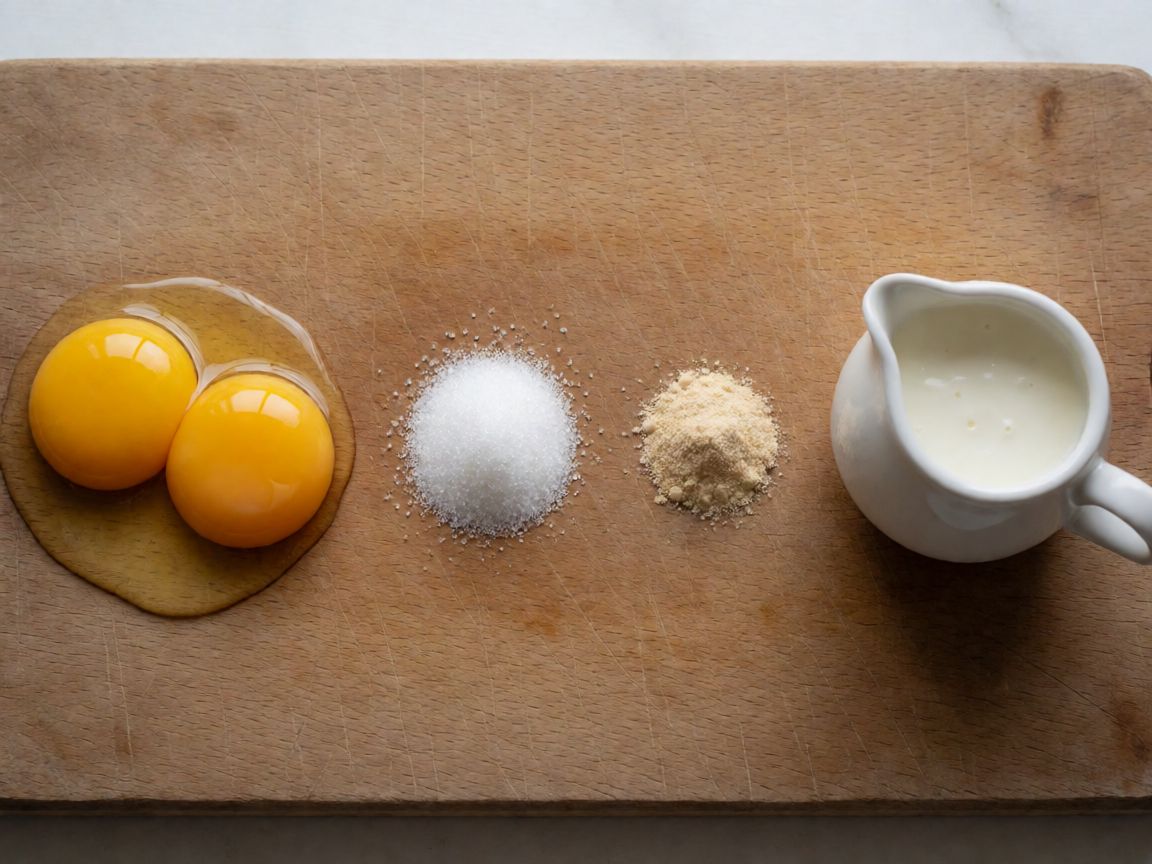
- 2 pcs Egg yolks
- 30 g Sugar
- ½ tsp Vanilla powder
- 100 ml Double cream

Steps
Cut the plums in half, remove the stones and place them on a baking tray lined with baking paper.
Mix the sugar with the vanilla powder and sprinkle it over the plums.
Roast in a fan oven preheated to 175°C for 20 minutes.
20 minCool the roasted plums and, if you like, brush them with white rum, port or sherry.
Toast the hazelnuts and almonds in a dry frying pan, without letting them change colour.
If needed, rub the skins off the nuts with a clean tea towel.
Roughly chop the nuts.
Add the nuts to the pan with the honey and oats, and mix well.
Cool the nut crumble on a sheet of baking paper.
Whisk the egg yolks, sugar and vanilla powder until pale and creamy, like a zabaglione.
Whip the cream until light and fluffy.
Fold the whipped cream into the egg mixture.
Layer the roasted plums, nut crumble and vanilla cream in glasses, alternating the layers.
Serve the trifle straight away.
A trifle is just a layering argument: you've already made three good things — roasted fruit, something crunchy, something creamy — and the only decision left is not to blend them into mush but to let each one keep its own texture when the spoon goes down. That's the whole mechanism. No setting, no gelatine, no baking of the assembled thing. It lives or dies on contrast: soft against crunchy against airy.
The plums are the engine. Roasting isn't about cooking them through — they're already soft enough raw — it's about concentrating. At 175°C the water in the fruit flashes off faster than it can run out as juice, so the sugar you sprinkled on top doesn't just dissolve, it catches at the edges and turns a shade past caramel. Some say stew the plums in a pan instead — no, because a pan traps the steam and you get compote, grey and waterlogged, when what you want is fruit with its edges singed and its middle still holding shape.
The crumble is there to solve a problem the cream creates: soft on soft is boring in the mouth, however good it tastes. Toasting the nuts dry, no oil, is about driving off moisture so they shatter rather than chew — and you stop before they colour because carryover heat in a hot pan will keep working on them for a good half-minute after you think you're done, and a browned hazelnut tips into bitter fast. The honey isn't for sweetness, there's barely a spoonful across four glasses — it's glue, binding oats and nuts into clumps instead of loose grit.
Plums: look for ones that give slightly under your thumb at the stone end, not the rock-hard ones from the bottom of the fruit bowl in a British supermarket in January — those need three extra days on a sunny windowsill before they're worth the oven. Overripe, almost bursting ones are actually fine here, better even, because you're reducing them anyway. If plums are out of season or mean, any stone fruit under-ripe-to-ready does the same job — apricots, even firm pears — the rule is: a fruit with enough structure to hold its half-shape through twenty minutes of heat, and enough sugar of its own to want to caramelise rather than just go soft.
Vanilla powder — this is ground whole pod, not vanilla sugar and not a few drops of essence stirred in at the end. It gives real flecks and a rounder flavour because you're getting the oils, not just the volatile top notes essence gives you. If you can't get it, scrape a real pod, or in a pinch use a short vanilla pod infused briefly in the warm cream before you whip it — essence alone will taste thin against roasted fruit.
Rum, port, sherry — any of these is doing the same thing: a spirit or fortified wine with enough sugar and depth to sit alongside caramelised fruit without fighting it. This is also the easiest ingredient to simply drop — the plums have already done their flavour work in the oven, the alcohol is a finishing touch, not structure. Skip it for a children's or alcohol-free version and nothing in the mechanism changes.
Hazelnuts and almonds: the point of two nuts rather than one is two different fats and two different crunches — hazelnut rounder and more waxy, almond cleaner and more brittle. If you've only got one kind in the cupboard, use double of it; the trifle doesn't need the contrast between the two nuts the way it needs the contrast between nuts and cream. Rubbing the skins off in a tea towel isn't fussiness — hazelnut skin carries a tannic bitterness that fights the honey, and it's genuinely one firm rub, not ten minutes of picking at it by hand.
Oats: plain porridge oats, the ordinary rolled kind you'd put tea and milk next to on a Sunday morning, not jumbo oats which stay too chewy raw inside the mix, and not instant, which turn to dust in the pan and lose the bite you're toasting them for in the first place.
Egg yolks and double cream: double cream, specifically, because this is a UK kitchen and double cream is the one with enough fat to whip to soft peaks and still hold once folded with the yolk mixture — single cream won't thicken under a whisk at all, it'll just go round the bowl. If you only have whipping cream, it'll just about do, but expect a looser result, closer to a sauce than a cream you can see the layers of in the glass. Four glasses, roughly tumbler-sized — this is a pudding-course portion, not a dessert to fill someone up after a roast, more something to have alongside the tea that follows it.