
 AI photo
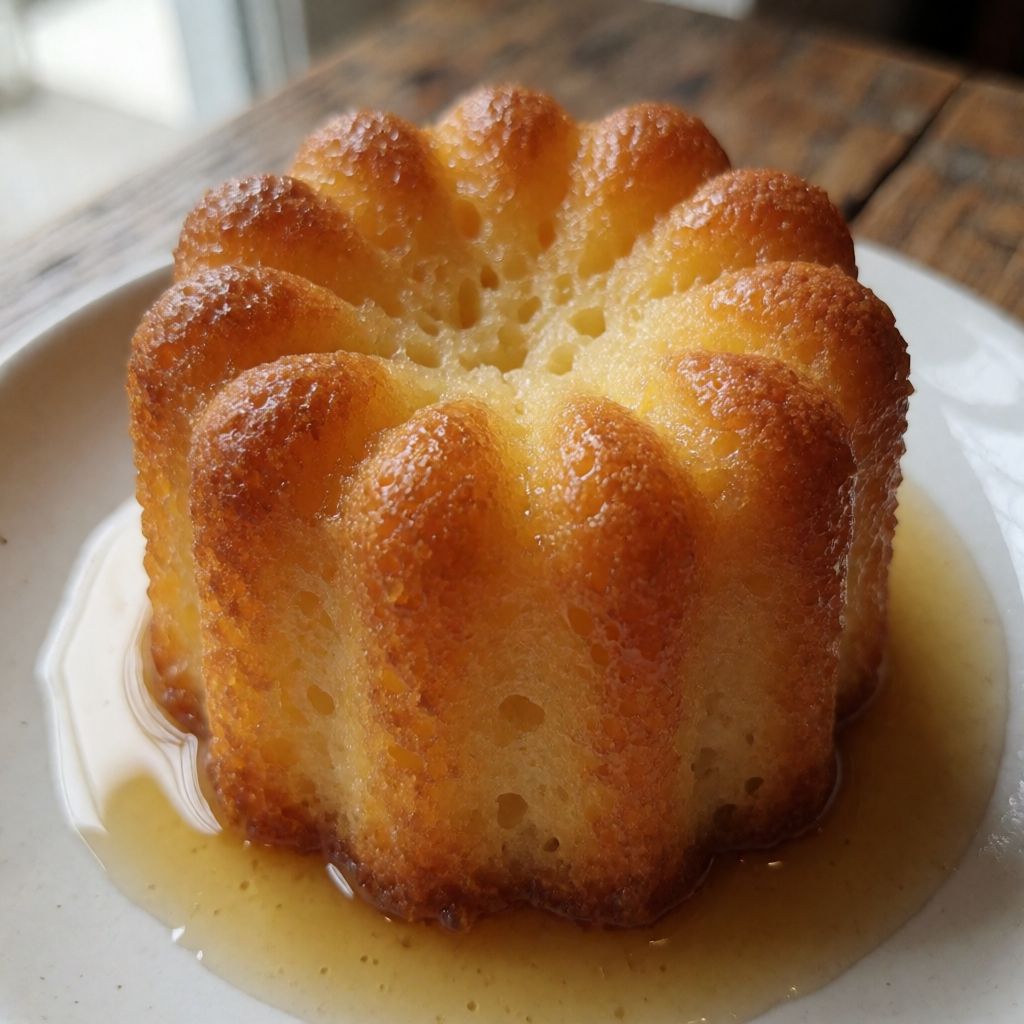
Rum Baba
A classic yeast cake soaked in rum syrup, baked in individual moulds.
Labels are worked out automatically from the ingredients and can be wrong. Check the packaging if it matters to you.
Ingredients
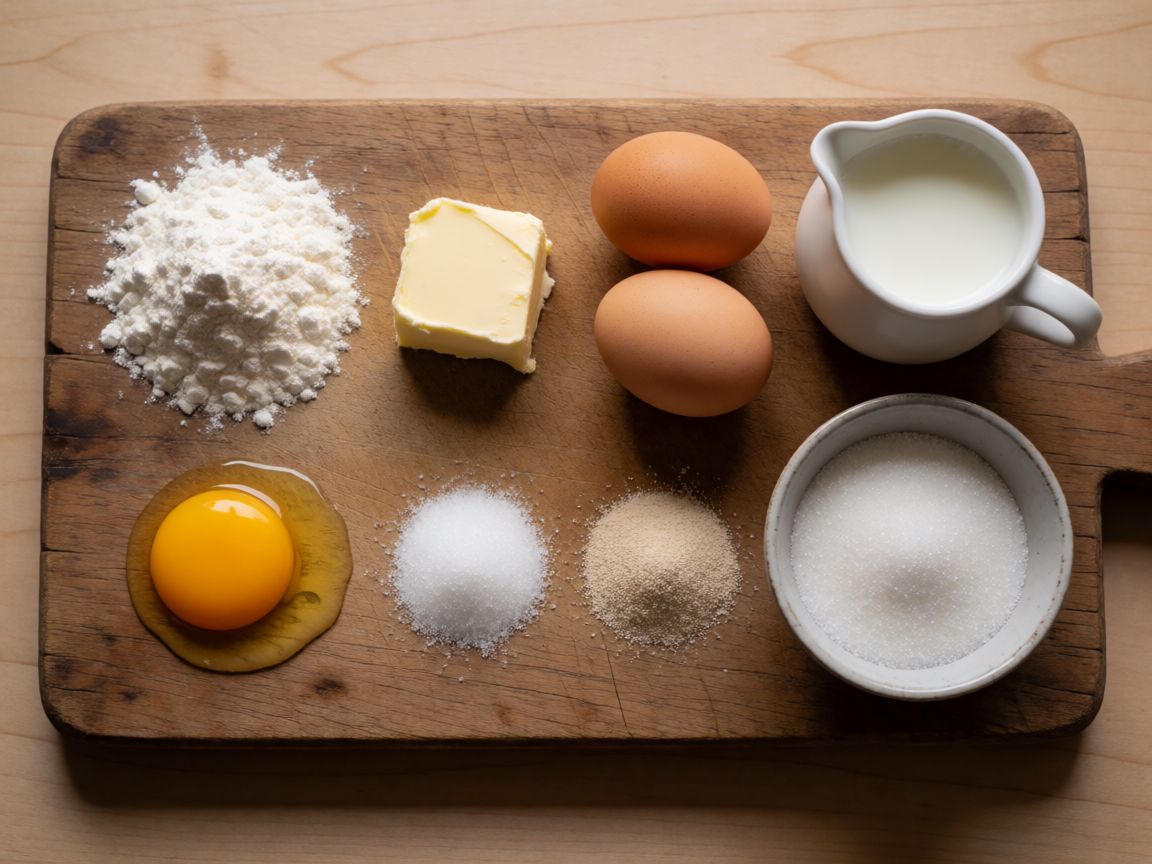
- 125 g Plain flour
- 50 g Butter softened
- 2 pcs Eggs
- 1 pcs Egg yolk
- 15 g Milk
- 15 g Caster sugar
- 15 g Yeast
- 1 pinch Salt
- 500 g Water
- 250 g Caster sugar
- 250 g Rum
- 1 pcs Lemon zest
- Jam to taste









Steps
In a bowl, combine the whole eggs, egg yolk and milk, and mix well.
In a separate bowl, mix the flour with the yeast, gradually adding the milk-egg mixture.
Add the sugar, salt and softened butter, and mix until smooth.
Using a piping bag, divide the batter among the baba moulds.
Leave the dough to prove for 30 minutes.
30 minBake in a fan oven preheated to 180°C for 12-13 minutes.
13 minRemove from the oven and let cool completely.
Pour the water into a saucepan, add the sugar and lemon zest, and bring to the boil.
Remove the syrup from the heat, strain it, pour into a bowl and add the rum.
Dip the baked babas into the syrup for a few seconds, then place on a wire rack.
Brush the surface of each baba with jam for shine.
Place the babas in the fridge and let them rest for at least 1 hour.
60 min
A rum baba is a sponge built to drown. Everything about the dough — the eggs, the slack wet batter, the yeast instead of baking powder — exists for one reason: to leave a structure so open and so dry after baking that it can swallow its own weight in syrup and come out moist rather than soggy. That's the whole trick, and it's why a baba is not a brioche you've simply soaked. A brioche is rich enough to stand on its own; a baba is deliberately lean and full of holes so it has somewhere for the liquid to go.
The thing that decides whether yours works isn't the baking — twelve minutes in a hot oven is the easy part, almost foolproof. It's the proving and the soaking. The dough has to rise properly before it goes in, because every air pocket the yeast opens up now is a channel the syrup will travel through later. Skip or rush the prove, and you get a dense little bread that the syrup can't penetrate — wet on the outside, dry and stubborn in the centre, and no amount of extra dipping will fix that, because the problem was decided an hour earlier.
Some say you should soak the baba warm, straight from the oven, so it "drinks better." No — do that and you partly dissolve the crumb structure itself while it's still soft and hot; you get something closer to wet bread than a baba. Let it cool and firm up first. A cooled sponge has set its walls; it can take the syrup bath without collapsing into mush.
Flour here is just plain flour, nothing strong or "bread" about it — you want a slack, open crumb, not chew, so a lower-protein flour that gives less gluten development is actually doing you a favour. The yeast is the real engine of the texture: it's not there for flavour so much as for the bubbles, which is why this is a proper wet, pipeable batter rather than a dough you'd knead on a worktop. If your kitchen runs cool — and a British kitchen in winter often does — give the prove more than the stated half hour and judge it by eye: the batter should have visibly domed and loosened in the mould, not just "sat there for 30 minutes." Time is the minimum, not the target.
The eggs and the softened butter carry fat and richness, but notice how little butter there is compared to a real brioche — 50g against 125g flour. That's deliberate; too much fat would seal the crumb and block the syrup from getting in, so the baba stays leaner than you'd expect from something that ends up tasting indulgent. The milk is just there to loosen the egg mixture so it combines smoothly with the flour — if you're out of milk, water will do the same job, you lose a little softness in the crumb but not much.
For moulds, dedicated baba or savarin tins give you that classic ring shape with even heat all round, but in an ordinary flat kitchen a muffin tin or small individual pudding moulds work fine — anything that lets heat reach the batter from most sides and lets you unmould it without a fight. Grease it properly; nothing ruins the open structure faster than tearing the baba apart trying to prise it out.
The syrup is just sugar dissolved in water with lemon zest boiled through it — the zest is for aromatic oil, not acidity, so strain it out before use, as the recipe says, or you'll get bitter pith flavour sitting in your rum bath. Any neutral sugar works; caster dissolves fastest, which matters here because you want a clear syrup, not a cloudy one with undissolved crystals that won't penetrate the crumb evenly. The rum goes in off the heat, after boiling, because alcohol boiled directly in the syrup simply cooks away — you want it still present to both flavour and further loosen the soaked crumb. If you want a version without the alcohol hit, you can rebuild the syrup with a dash of vanilla or more zest, but understand you're making a different, blander dessert at that point — the rum isn't a flourish here, it's named in the dish for a reason.
The jam brushed on at the end is purely for shine and a thin seal — any smooth jam with no big fruit chunks will do, warmed slightly so it brushes on thin rather than globbing. Apricot is the classic because it's pale and doesn't fight the colour or flavour of the syrup, but this step is cosmetic, not structural — skip it and the baba tastes the same, it just looks a bit duller on the plate.
For eight people you want eight individual babas, one each, because this isn't a cake you slice and share — the whole point is a self-contained sponge soaked right through, and a single large one would soak unevenly at the edges versus the centre, giving you the same dry-core problem as an underproved one. Small and individual is not tradition for tradition's sake; it's the only way the soaking mechanism works reliably.