
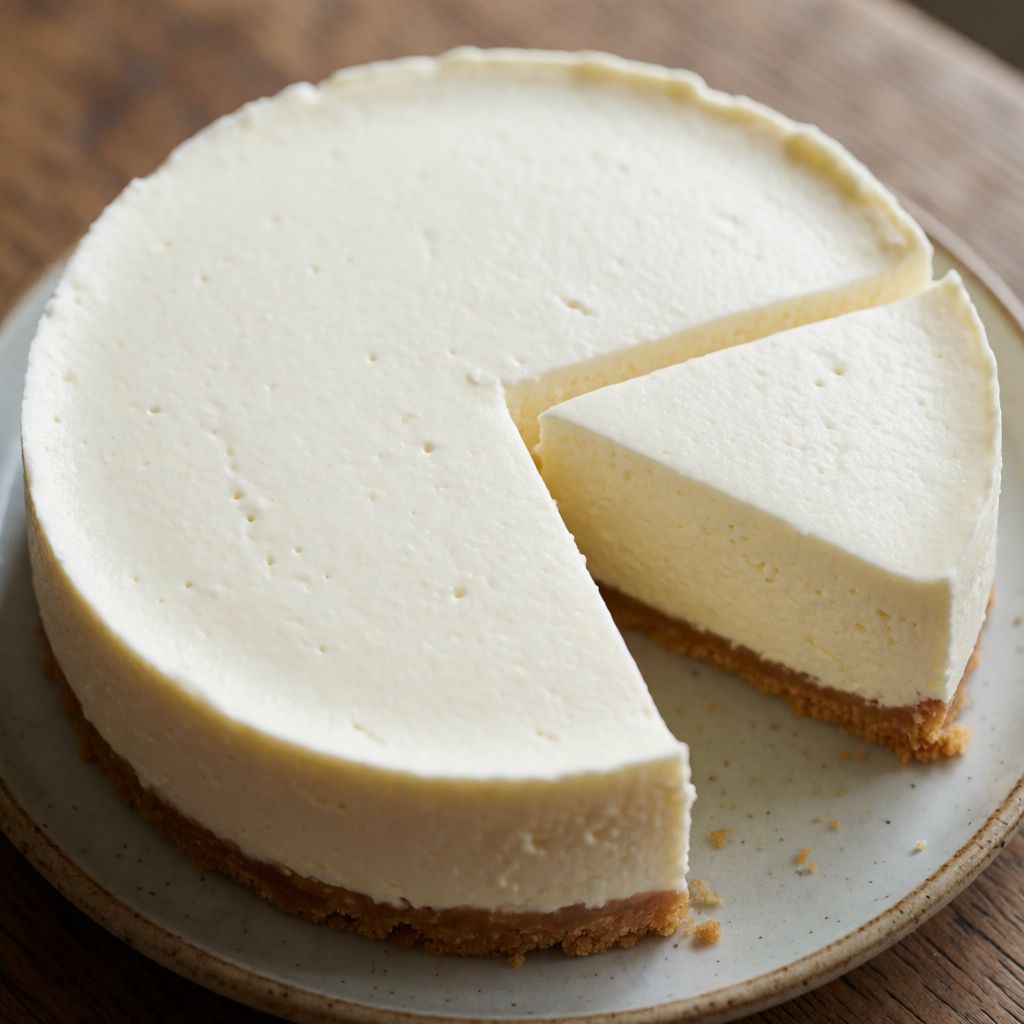
 AI photo
Easy Creamy Fig Cheesecake
A creamy no-bake fig cheesecake on a digestive biscuit base, topped with a fig compote and fresh figs.
Labels are worked out automatically from the ingredients and can be wrong. Check the packaging if it matters to you.
Ingredients
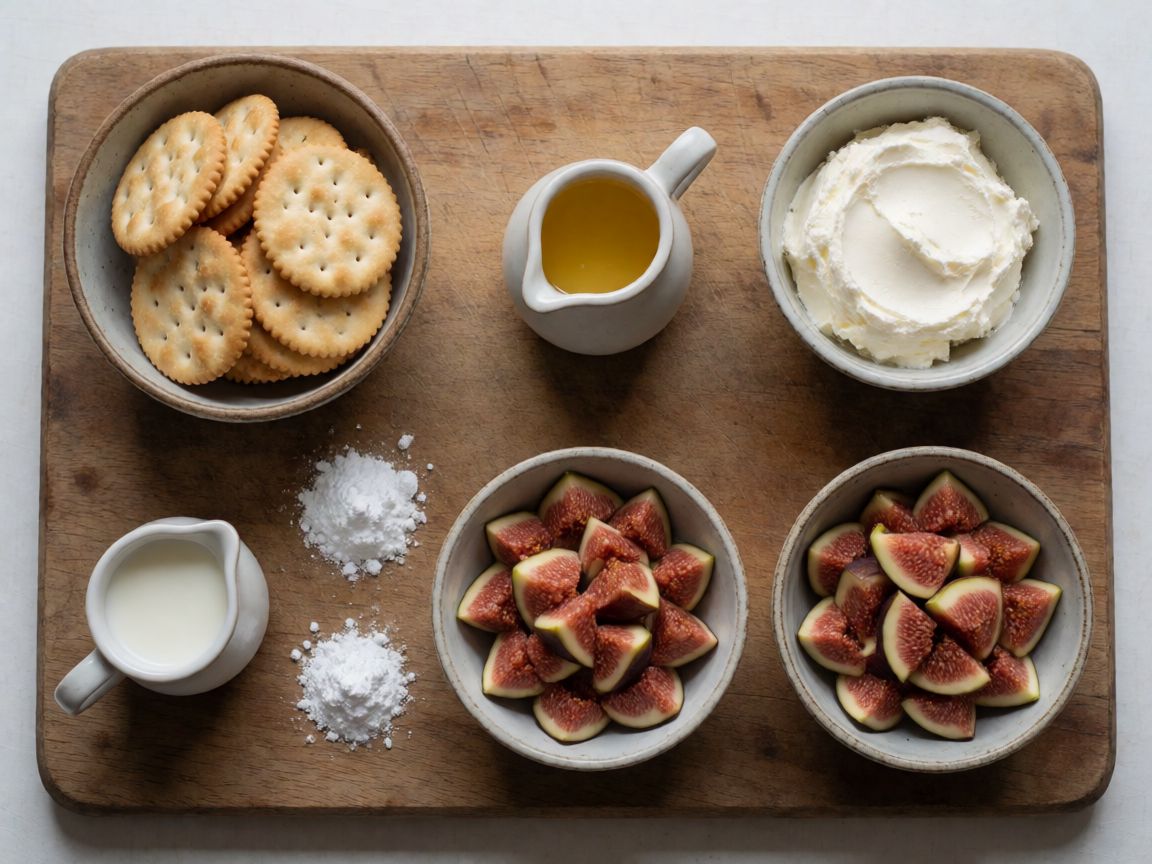
- 280 g Digestive biscuits
- 150 g Butter melted and cooled
- 500 g Cream cheese softened
- 250 ml Double cream
- 100 g Icing sugar
- 15 g Gelatine
- 50 ml Water room temperature
- 100 g Figs peeled, diced
- 300 g Figs peeled, diced
- 100 g Sugar
- 1 pcs Fresh figs fresh, to taste
- 1 tbsp Chopped mixed nuts to taste










Steps
Crush the digestive biscuits in a blender to fine crumbs, transfer to a bowl and add the melted butter. Mix well.
Line a 22 cm springform tin with baking paper and press in the crumb mixture firmly. Chill in the fridge.
Soak the gelatine in room-temperature water to soften. Add warm cream and stir until dissolved.
In a large bowl, soften the cream cheese, add the dissolved gelatine and the diced figs (100 g). Mix.
Whip the cream (200 ml) with the icing sugar to stiff peaks.
Gently fold the whipped cream into the cream cheese mixture using an up-and-down motion.
Spread the filling over the chilled base and smooth the surface. Chill in the fridge.
240 minMix the sugar with the diced figs (300 g). Cook over low heat, stirring often.
15 minTransfer the topping to a bowl and let it cool completely.
Transfer the cake to a plate, spread over the cooled topping, add fresh fig slices and chopped nuts.
This is a no-bake cheesecake, which means the entire structure of the thing — base, filling, topping — depends on temperature and gelling, not on an oven. That's the whole mechanism you need to understand before you touch a biscuit: you're not baking a cake, you're building a cold, stacked architecture that has to set in a fridge, and every stage fails for a specific, physical reason if you rush it.
The base is biscuit crumbs bound with melted butter. Butter at room temperature is a solid fat full of air pockets; melt it and those pockets collapse, so it coats every crumb and glues the base into a slab rather than a pile of sand. Press it in cold-handed and firm — into the corners, not just the middle — because a loose base is why people end up eating cheesecake off a plate with a spoon instead of cutting a slice. Chilling it before filling isn't tradition, it's physics: cold butter re-solidifies and locks the crumbs in place so the weight of the filling doesn't push through it.
Some say cheesecake needs an oven to be "real" — no, because this style was never baked to begin with; it's a cold-set dessert built on gelatine, closer to a mousse cake than to the dense New York kind. Both are legitimate; they just work on different mechanisms, and confusing them is why people panic when this one comes out soft after an hour instead of firm — it needs its full chill time, which here is a genuine four hours minimum, not a suggestion. Time is your lower bound: the filling is "done" setting when it holds a clean edge if you press it, not when the clock says so.
Digestive biscuits are there for their dry, slightly bran-sweet crumb that holds butter without turning to paste — any plain, not-too-sweet biscuit with a firm bite works the same way; a ginger nut or an oat biscuit does the job if that's what's in the cupboard, though the flavour shifts slightly sweeter or spicier. What you want to avoid is anything too soft or cream-filled — it won't crush to a dry crumb, and the base turns gummy under the weight of the filling.
Cream cheese is the backbone — full-fat, properly softened at room temperature so it mixes smooth without lumps; cold cream cheese straight from the fridge fights the gelatine and leaves little hard flecks in the finished filling. Double cream is whipped for structure and lightness, not flavour; it has to reach stiff peaks before folding, because a soft peak collapses the moment it meets the heavier cream cheese and you lose the lightness the whole dessert is built on. Icing sugar dissolves into the cream without the grittiness granulated sugar would leave behind — a real reason, not a fussy one, since cold cream doesn't dissolve sugar crystals properly.
Gelatine is the one ingredient with no good substitute if you want this exact set — agar-agar behaves completely differently (it sets at room temperature and stays firmer, almost rubbery) so if you swap it, expect a different texture, not a like-for-like result. Bloom it in cold water first; adding it dry to warm liquid clumps it into little lumps that never fully dissolve, and those lumps are what people mistake for "bits of gelatine" in a badly made filling.
The figs do double duty — diced into the filling for pockets of soft sweetness, and cooked down separately with sugar for the glossy topping. Fresh figs vary wildly in sweetness depending on ripeness; taste before you commit all the sugar in the topping, because an underripe fig needs more, a very ripe one needs less. If figs are out of season or too expensive, poached pears or a soft stone fruit in the same quantity will behave the same way under heat — releasing juice, softening, syruping up — though obviously you lose the specific flavour.
A springform tin matters here more than it would for a baked cake — you're not turning this out onto a board, you're unclipping the sides from something that has no structural crust to hold it together once it's out of the tin. If you don't own one, a deep cake tin lined generously with baking paper, with enough overhang to lift the whole thing out by the paper, is your domestic workaround — not elegant, but it won't collapse your Sunday's work.