
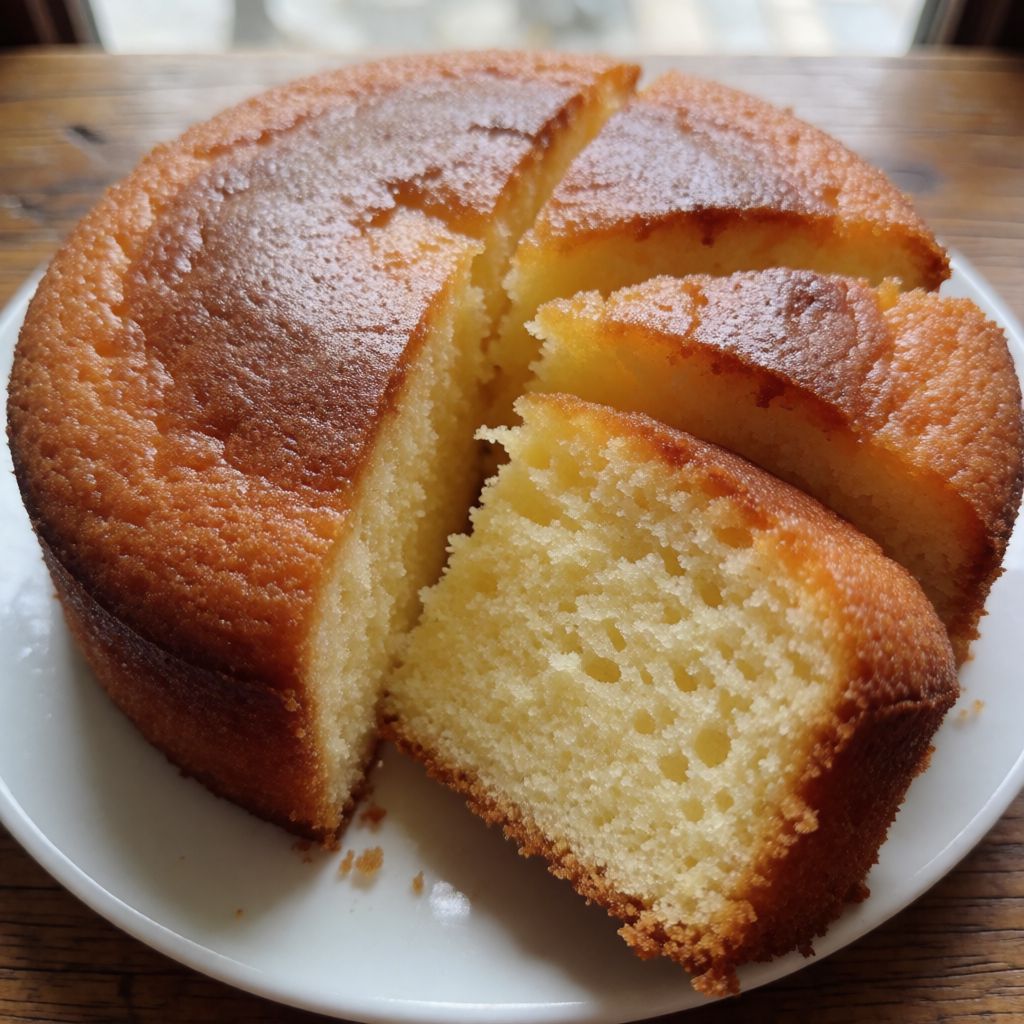
 AI photo
Lindt Cake
A soft sponge cake topped with a smooth milk chocolate ganache, finished with pistachios and forest berries.
Labels are worked out automatically from the ingredients and can be wrong. Check the packaging if it matters to you.
Ingredients
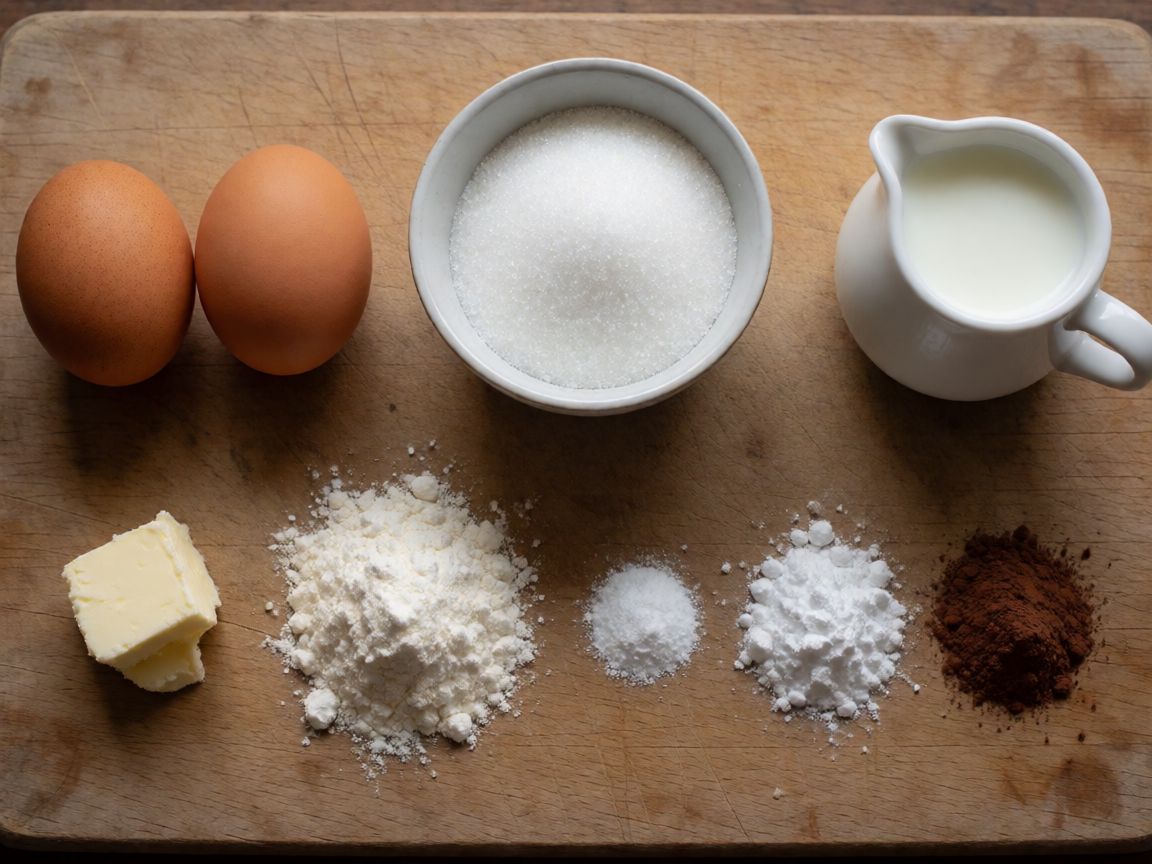
- 2 pcs Eggs
- 120 g Caster sugar
- 100 ml Milk
- 80 g Butter
- 150 g Plain flour
- 16 g Baking powder
- 50 g Potato starch
- 20 g Cocoa powder
- 200 ml Double cream
- 250 g Milk chocolate
- pinch Mixed berries to taste
- pinch Chopped pistachios to taste, optional





Steps
Combine the eggs with the sugar and whisk until the mixture is pale and creamy.
Add the milk, then pour in the melted butter, continuing to mix.
Sift together the flour, potato starch and baking powder, and fold into the batter.
Add the cocoa powder and mix well.
Grease a tart tin with butter and dust with flour, then pour in the batter.
Smooth the surface and bake in a fan oven at 180°C for about 20 minutes.
20 minLet the sponge cool slightly, turn it out onto a plate and leave to cool completely.
Heat the cream in a small saucepan until almost boiling.
Add the milk chocolate, broken into pieces, and turn off the heat.
Wait a few minutes until the chocolate starts to melt, then whisk until smooth.
Pour the ganache over the top of the cake and spread evenly.
Leave the cake to cool completely.
Before serving, decorate with chopped pistachios and mixed berries.
This is a chocolate sponge drowned in its own ganache — the kind of cake that looks like it came from a patisserie window but is really just a sponge recipe and a two-ingredient sauce, done well, in sequence. What decides whether it works isn't the oven, it's the cooling. Twice.
The sponge itself is a basic genoise-adjacent batter, nothing exotic: eggs and sugar whisked to a pale foam for air, flour and starch for structure, cocoa for colour and bite. The potato starch alongside the flour is doing a specific job — it has no gluten, so it dilutes the flour's gluten network and keeps the crumb soft rather than bready. Skip it and use flour only, and you get a denser, chewier cake; it won't fail, it'll just forget to be delicate.
The ganache is where people usually rush, and rushing is exactly what breaks it. Cream heated till "almost boiling" means you see the surface start to tremble and steam lift off it — not rolling bubbles. Pour boiling cream over chocolate and you risk scorching the cocoa solids and splitting the fat out of the chocolate, which is why some ganaches turn grainy or oily. The fix already built into this recipe is step 10: turn off the heat, wait, let the residual heat do the melting rather than aggressive boiling. Patience here isn't optional — it's the ingredient that makes glossy instead of broken.
Myth to retire: some say ganache needs constant stirring from the second the chocolate goes in. No — stir too early and you're dragging cold, unmelted lumps through hot cream, which is how you get streaks and a grainy finish. Let it sit, then whisk.
Eggs and sugar: whisked together until pale and roughly doubled in volume, this is your only leavening partner alongside the baking powder — the whisking traps air, the baking powder gives it a second lift in the oven. If your whisking is half-hearted, the crumb comes out flatter and denser no matter how much baking powder you throw at it; mechanical air can't be substituted by chemical rise alone.
Milk and melted butter: milk loosens the batter and adds moisture that keeps the sponge from drying out as it cools; butter, melted rather than creamed in this method, adds richness and a tender bite because it coats flour proteins and limits gluten formation. Use a neutral oil instead and you lose the flavour but keep the tenderising effect — fine in a pinch, less fine for a cake meant to taste faintly of butter under the chocolate.
Flour, potato starch, baking powder: sifted together so the leavening is distributed evenly rather than sitting in one lucky pocket of batter. The starch, as above, is softening insurance; cornflour works the same way if that's what's in your cupboard. Baking powder at 16g for this volume of flour is a proper amount — don't eyeball less because "it seems a lot," under-rising is the more common failure in home kitchens, not over-rising.
Cocoa powder: unsweetened, for colour and a bitter backbone that keeps the final cake from being cloying once the sweet milk chocolate ganache goes over the top. If you only have drinking chocolate powder with sugar already in it, cut back slightly on the caster sugar elsewhere, or the balance tips sweet.
Double cream and milk chocolate: the double cream's higher fat content is what lets it emulsify properly with melted chocolate into a stable, pourable ganache rather than a thin, separating sauce — single cream can split more easily because there's less fat to carry the emulsion. Milk chocolate, broken into pieces rather than left whole, melts faster and more evenly in the residual heat of the cream; chop it finer if your pieces are large, since big chunks mean uneven melting and a grainy patch left in the middle.
On the tin and the oven: "fan oven at 180°C for about 20 minutes" — the 20 minutes is the floor, not the verdict. The sponge is done when a skewer comes out clean or the top springs back rather than leaving a dent; ovens vary enough between flats that trusting the clock alone is how people end up with a gooey centre under a set-looking top. Greasing and flouring the tin isn't ceremony — it's what stops the sponge gripping the metal and tearing itself apart when you try to turn it out.
Cooling, twice, matters because warm cake plus poured ganache means the ganache slides and the sponge steams itself soggy underneath. Let the sponge cool fully before the ganache goes on, then let the whole thing set again before cutting — a cake cut warm just smears. This feeds eight reasonably, proper slices, not slivers; scale the tin up and the bake time becomes even more of a guess, so trust the skewer over the clock regardless of size. Berries and pistachios on top are there for colour and a bit of crunch against all that smooth chocolate — leave them off entirely and nothing about the cake's mechanism changes, which tells you they're decoration, not structure.