
 AI photo
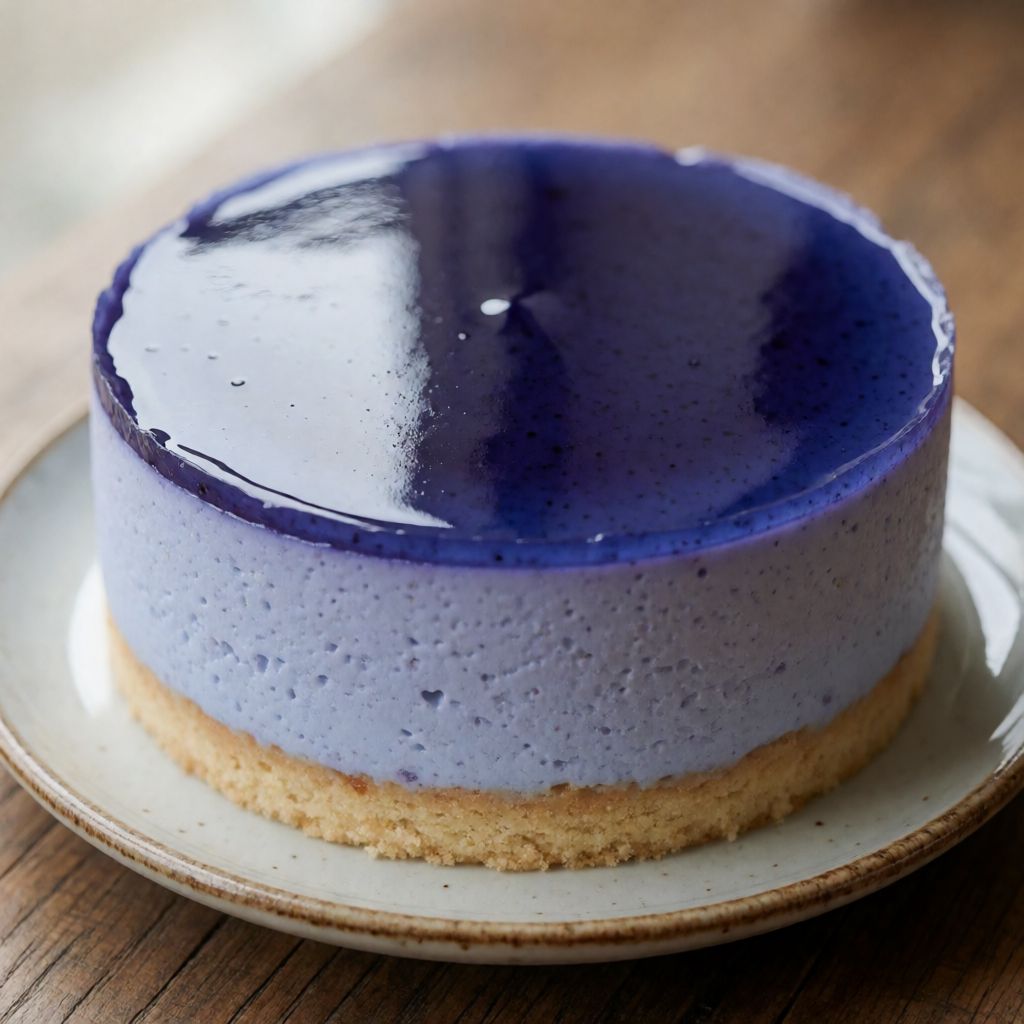
Blueberry Mousse Cake with Glaze
A blueberry mousse cake on a biscuit-liquorice base and a lemon sponge, finished with a shiny glaze.
Labels are worked out automatically from the ingredients and can be wrong. Check the packaging if it matters to you.
Ingredients
- 100 g White chocolate
- 20 g Blueberries
- 1 pinch Edible silver dust


Biscuit and liquorice base
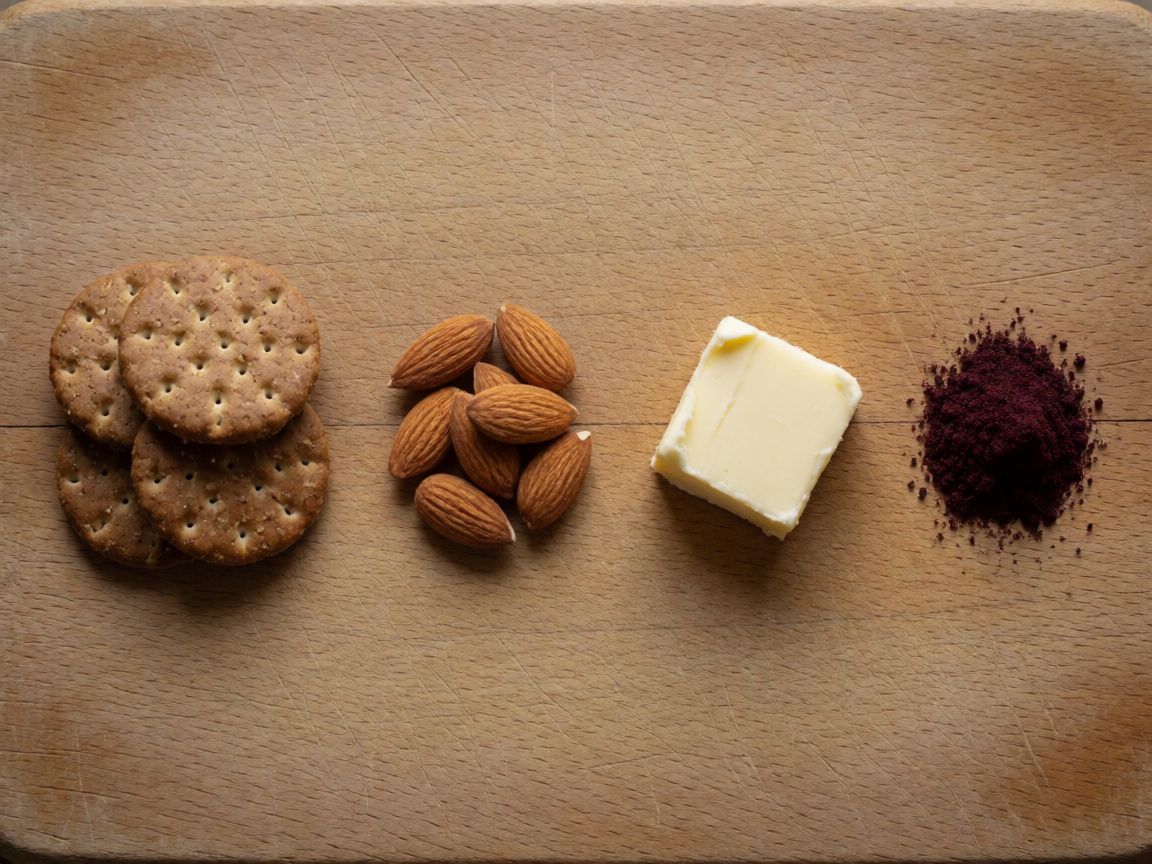
- 100 g Digestive biscuits
- 30 g Almonds
- 80 g Butter
- ½ tsp Liquorice powder


Lemon sponge
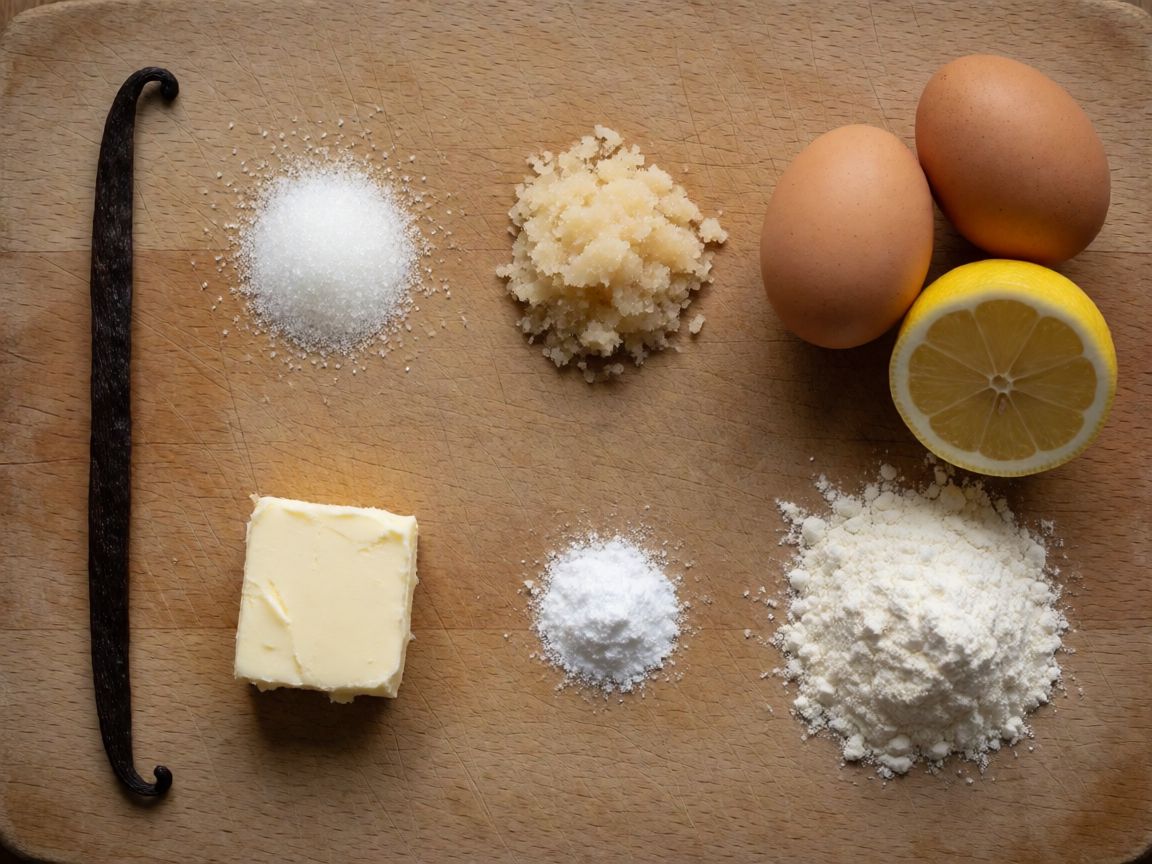
- ½ pcs Vanilla pod
- 90 g Caster sugar
- 90 g Butter
- 90 g Marzipan coarsely grated
- 2 pcs Eggs
- ½ pcs Lemon juice and finely grated zest
- 100 g Plain flour
- 1 pinch Salt
- 1 tsp Baking powder






Blueberry mousse
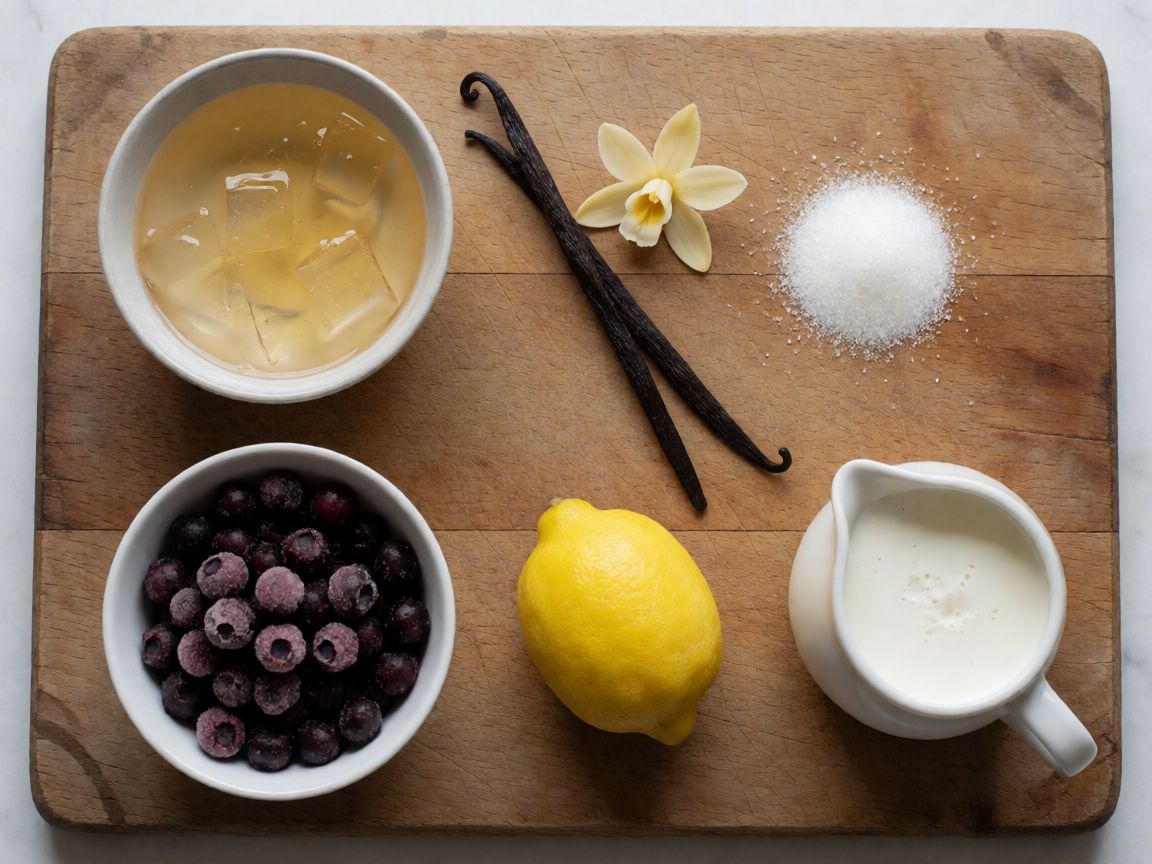
- 4 pcs Gelatine leaves
- 1 pcs Vanilla pod
- 75 g Caster sugar
- 400 g Blueberries frozen
- 1 pcs Lemon juice and finely grated zest
- 500 ml Double cream

Glaze
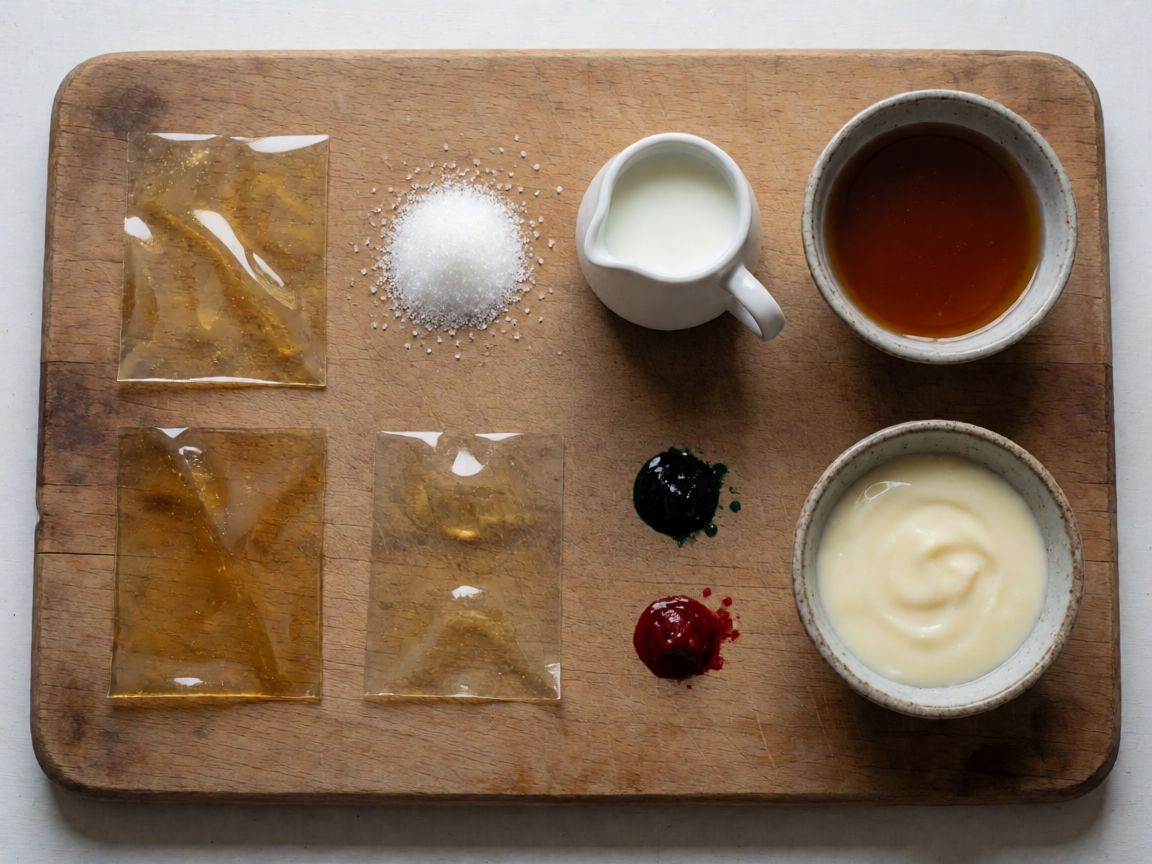
- 4 pcs Gelatine leaves
- 100 g Caster sugar
- 200 ml Milk
- 125 g Glucose syrup
- 200 g White chocolate
- 2 pinch Paste food colouring

Steps
Blitz the biscuits and almonds in a small chopper to fine crumbs. Add the butter and liquorice powder and blitz again until smooth.
Press the base firmly into a 16 cm cake ring and chill.
Split the vanilla pod, scrape out the seeds and mix them with the sugar.
Beat the butter, sugar, vanilla seeds and marzipan until fluffy.
Add the eggs one at a time, beating until smooth, then fold in the lemon juice and zest at the end.
Mix the flour, salt and baking powder together and fold into the batter.
Spoon the batter into a greased 16 cm round tin lined with baking paper and bake in a preheated fan oven at 175°C for 25-30 minutes.
25 minLet the sponge cool completely.
Soak the gelatine in cold water for 10 minutes.
10 minSplit the vanilla pod, scrape out the seeds and mix them with the sugar.
Bring the blueberries, lemon juice and zest, vanilla and sugar to the boil in a saucepan.
Leave to simmer gently for 3 minutes.
3 minBlend with a stick blender to a smooth purée.
Squeeze the water from the gelatine, melt it over a bain-marie and stir it into the blueberry purée.
Mix well and cool to room temperature.
Whip the cream to soft peaks and gently fold it into the blueberry purée.
Pour the mousse into a 20 cm silicone mould.
Place the biscuit base on the lemon sponge and gently press both into the mousse until the sponge sits level with the mould.
Smooth the mousse neatly over the sponge and freeze the mould for at least 3 hours, or until it is time to glaze.
180 minSoak the gelatine in cold water for 10 minutes.
10 minPut the sugar, milk and glucose syrup into a saucepan.
Slowly bring to the boil, stirring, until the sugar has dissolved.
Remove the pan from the heat. Squeeze the water from the gelatine and stir it into the hot milk mixture.
Put the chocolate into a blender jug, add the colouring of your choice, and pour in the hot milk mixture, tilting the jug and pouring down the side.
Stir slowly until the chocolate has melted.
Tilt the jug and run the stick blender diagonally through the mixture so no air bubbles form.
Blend, keeping the blender submerged in the glaze at all times. Slowly lift the blender once the glaze is fully smooth, then tap the jug on the worktop a few times to bring bubbles to the surface and skim them off with a spoon.
Slowly strain the glaze through a sieve into a jug.
Place cling film directly onto the glaze and leave on the worktop until it cools to exactly 32°C. Check with a cooking thermometer.
Remove the frozen mousse cake from the mould and set on a rack over a tray. Slowly pour the glaze over the cake. Let the excess drip onto the tray and neaten the edges. Transfer the cake to a plate using two palette knives.
Let the cake thaw and decorate before serving.
For decoration, spread tempered chocolate onto a sheet of acetate and leave for half a minute.
Run a serrated scraper through it to form thin chocolate strips. Lay the acetate over, for example, two cardboard kitchen roll tubes to form waves, and let the chocolate strips set.
Carefully lift them off and decorate the cake with the chocolate strip (the rest can be kept in a container), along with blueberries brushed with a little edible silver dust.
This is three desserts stacked and frozen into one: a liquorice-biscuit base, a lemon-marzipan sponge, a blueberry-cream mousse, and a mirror glaze poured over the lot while it's still frozen solid. That last word is the whole mechanism. You're not glazing a cake — you're glazing an ice block, and the glaze sets on contact with the cold surface the way frost forms on a window. Pour it over a soft, room-temperature mousse and it slides off in a sheet, pools everywhere, and never develops that taut, lacquered skin. The freezer isn't there to "firm things up nicely" — it's doing a specific job that nothing else in your kitchen can do.
What decides whether it works is two numbers: the core temperature of the cake (frozen, properly, not just chilled) and the temperature of the glaze itself, 32°C, checked with a thermometer rather than guessed by eye. Too hot and it melts the mousse surface and runs thin; too cool and it goes gloopy and won't self-level. There's no "pour it when it looks about right" here — glaze is one of the few places in cooking where a few degrees either way changes the result completely, because you're balancing gelatine setting against chocolate seizing in a very narrow window.
Start at the base. Digestive biscuits plus almonds plus butter is the English version of a pâte sablée crumb crust — cheap, no oven skill required, and it holds together purely because melted butter glues crumbs into a solid once it re-hardens in the fridge. The liquorice powder is doing something specific: against blueberry's sweet-sourness, a thread of aniseed-bitter liquorice reads as depth rather than as "what is that flavour", the way a pinch of salt does in caramel. Leave it out if you can't find it — you won't break the cake, you'll just lose a layer of complexity nobody will miss by name. Any plain, not-too-sweet biscuit works here; digestives are just what's in a British cupboard. Ginger nuts would do the same structural job and echo the liquorice's warmth instead of fighting it.
The sponge is a basic creamed batter — butter and sugar beaten to trap air, which is the only rise this gets besides the baking powder, so don't rush the beating stage thinking it's just mixing. Marzipan here isn't a decoration ingredient borrowed from Christmas cake; grated into a sponge batter it melts into pockets of almond-sugar paste that keep the crumb moist for days in the freezer, which plain sponge won't do — frozen plain sponge goes chalky and dry on thawing, marzipan-enriched sponge doesn't, because the sugar and oil in it resist ice crystal damage. Some say marzipan is only for icing a cake's exterior — no, because its job here is structural and has nothing to do with looks.
The mousse is built the way all mousses are: a flavoured base (the blueberry purée) carries the gelatine, and whipped cream is folded in only once that base has cooled to room temperature. Fold warm purée into whipped cream and you deflate the air you just worked for — the cream collapses back to liquid around the heat, and you get a dense, wet mousse instead of a light one. This is the same reason you cool custard before adding cream anywhere else. Gelatine leaves are preferred over powder in a recipe like this because leaves give a cleaner, more reliably set result without the grainy texture powder can leave if it's not bloomed properly — but if you only have powder, the fix is a criterion, not a swap: bloom the equivalent weight in a little cold water first, then melt it exactly the same way, over heat gently enough that it never boils, because boiled gelatine loses its setting power entirely.
The glaze is where people go wrong, and it's worth saying why the blending technique matters as much as the temperature. Running the stick blender diagonally, keeping it submerged, never lifting it mid-blend — that's not showmanship, that's the only way to emulsify chocolate and hot milk-syrup into a stable mixture without beating air into it. Air bubbles in a glaze don't disappear; they sit on the cake's surface as little craters once it sets, and no amount of smoothing fixes that after the fact. The glucose syrup's job is to keep the glaze glossy and slow down sugar crystallising as it cools — golden syrup is the nearest thing in a British kitchen, though it'll pull the colour and flavour slightly, which matters if you're going for a pure white base before adding colouring.
For a 16 cm sponge sitting inside a 20 cm mousse mould, you're not making a cake that's mostly sponge — you're making a mousse cake with a lemon-sponge disc as its anchor, which is why the sponge recipe is modest and the mousse recipe is generous. Ten servings out of this is realistic because it's rich and cold; it cuts in thin, clean wedges straight from frozen-glazed rather than crumbling the way a room-temperature sponge cake does, and that's also the real reason you serve it this way rather than letting it sit out and go soft before cutting.