
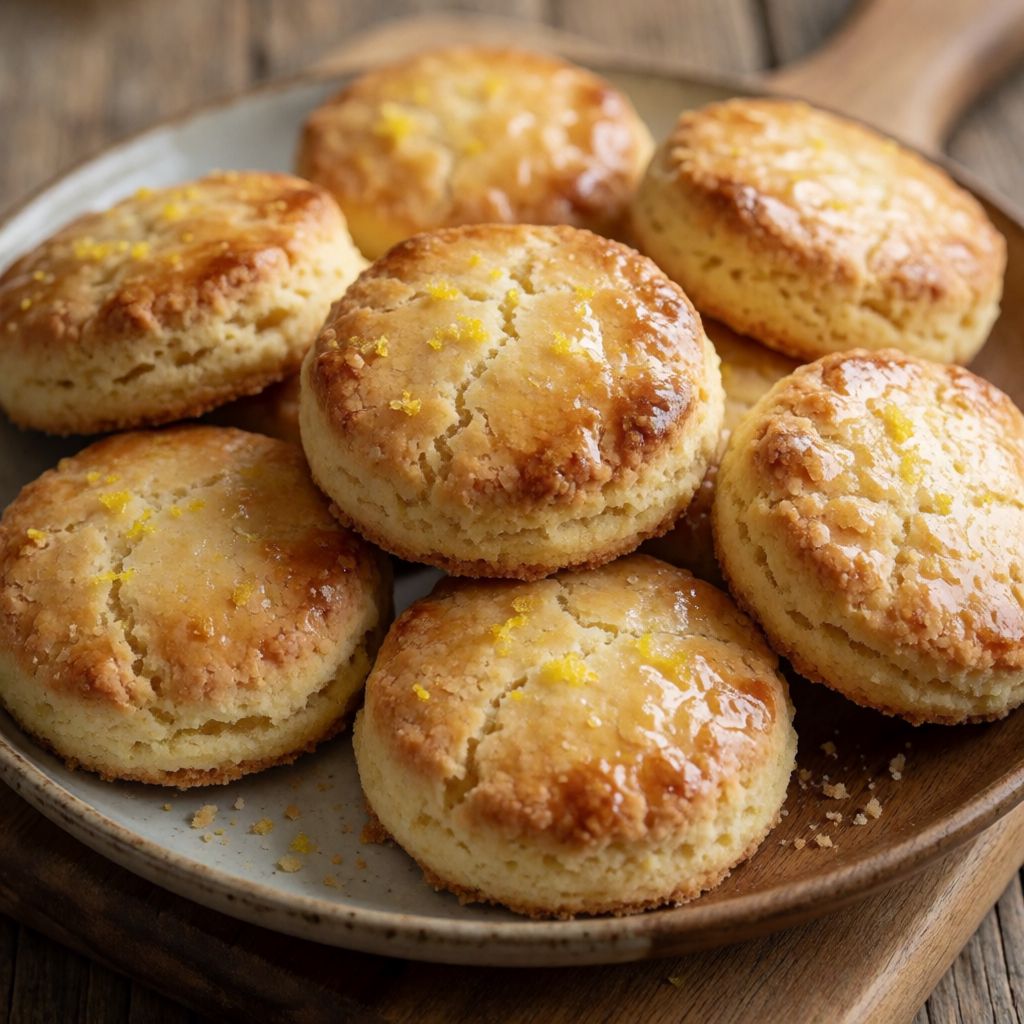
 AI photo
Fig Biscuits (Settembrini)
Delicate shortcrust biscuits filled with a fig paste, perfumed with lemon zest and vanilla.
Labels are worked out automatically from the ingredients and can be wrong. Check the packaging if it matters to you.
Ingredients
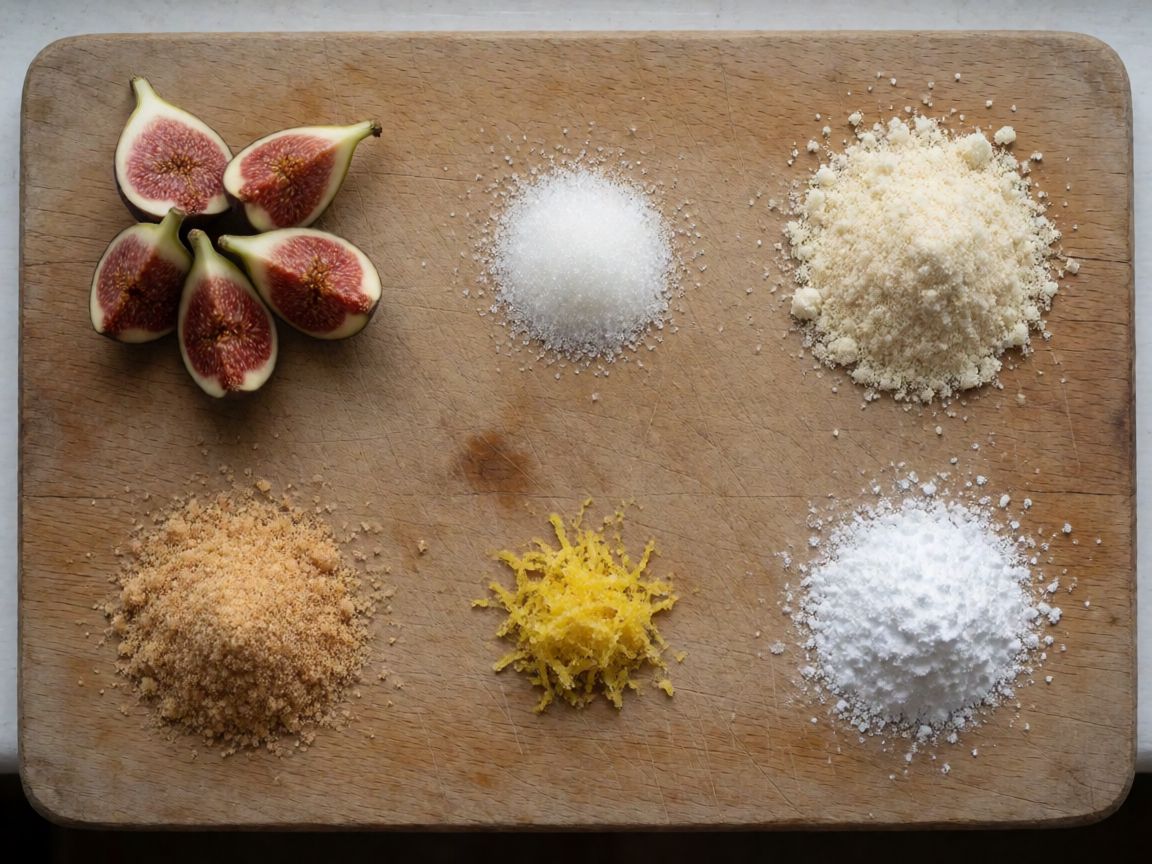
- 250 g Figs
- 30 g Caster sugar
- 20 g Almond flour
- 50 g Sponge finger biscuits crushed in a blender
- 1 pcs Lemon zest
- 1 pinch Icing sugar for dusting





For the shortcrust pastry
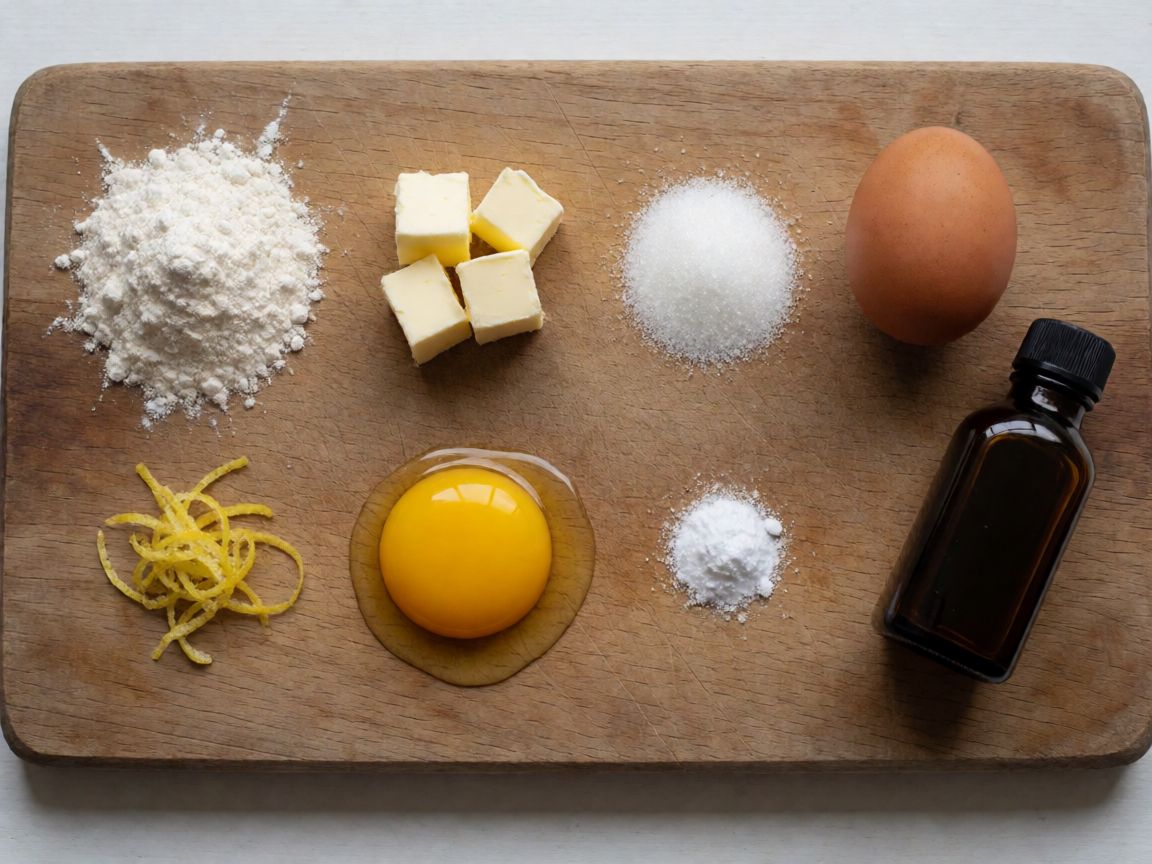
- 250 g Plain flour
- 100 g Butter soft, cut into pieces
- 80 g Caster sugar
- 1 pcs Egg
- 1 pcs Egg yolk
- 1 pcs Lemon zest
- 1 pinch Salt
- 1 tsp Vanilla extract
- 1 pinch Baking powder







Steps
On a work surface, pile the flour into a mound, make a well, add the sugar and egg, flavour with lemon zest and vanilla, add the butter, baking powder and salt.
Quickly knead the dough so the ingredients come together into a soft mass.
Wrap the dough in cling film and let it rest in the fridge.
30 minPeel the figs, cut them into pieces and place them in a pan with the sugar and lemon zest.
Simmer the figs for a few minutes until softened.
Transfer the figs to a tall glass and blend until smooth with a hand blender.
Pour the purée into a bowl, add the almond flour and the crushed sponge finger biscuits, and mix until soft and creamy.
Take the dough out of the fridge, roll it out to a thickness of 4-5 mm, and cut strips 5 cm wide.
Fill the centre of the strips with the fig filling, leaving the edges free of filling.
Fold the edges towards the centre, pinching with your fingers to seal.
Place the rolls in the freezer to make slicing easier.
Slice the biscuits.
Place the biscuits on a baking tray lined with baking paper and bake at 180°C.
20 minRemove from the oven, let cool and, if liked, dust with icing sugar.
This is pasta frolla doing a job it wasn't built for in Sicily — wrapping a fig jam that's been stiffened with crushed sponge fingers and almond flour instead of being left to run. Think of it as a lazy fig roll: you're not making puff pastry parcels, you're folding a short, sandy dough over a paste that has to hold its shape once it's sliced raw, before baking, with a knife.
What decides whether it works is the filling's texture, not the dough. Figs reduced with sugar are wet — sugar pulls water out of the fruit as it cooks, that's the whole mechanism of a fruit "jam," reduction concentrates flavour and kills raw fig's wateriness. But wet filling in a rolled biscuit means ooze, means the roll won't slice clean, means it steams the pastry from inside instead of letting it bake dry and short. The crushed sponge fingers and almond flour are there to drink up that moisture — stale crumb and ground nuts are both just dry starch and fat with huge surface area, they soak liquid without you needing to cook it down further and risk scorching the sugar.
Some say you need a potato ricer or a sieve to get a "proper" smooth fig purée. No — a hand blender in a tall glass does the same job in less time and less washing up, the point is no fig skin fibres left to tear the dough when you roll it, not some particular tool.
Flour is just flour, plain is right — you don't want bread flour's extra gluten here, that would make the dough elastic and tough to roll thin, fighting you back instead of lying flat.
Butter soft but not melted is the one non-negotiable. Melted butter runs into the flour and you get a greasy, tight dough that bakes hard; soft butter you can smear and cut into pieces, coating flour particles in fat without drowning them, which is the actual chemistry of "short" pastry — fat blocks some gluten strands from linking up, so the baked biscuit shatters rather than chews. If your kitchen's warm, work fast or it goes past soft into oily, and the dough tells you by sticking to everything.
Egg plus an extra yolk: whole egg brings structure and a bit of lift, the extra yolk brings fat and richness without adding more water that whole egg white would bring — more yolk, less egg white, means a more tender crumb, less "bready" result. If you're short an egg, one whole egg alone still works, you lose a little richness, not the structure.
Lemon zest, twice — once in the dough, once in the fig filling — is doing flavour-lifting work, not sourness: zest has aromatic oils, not acid, so it perfumes without making anything taste sharp. Any zest you have — orange works, even a splash of vanilla alone if citrus isn't to hand — the job is just to stop the dough tasting flatly of flour and butter.
Figs: fresh, ripe enough that they're soft already, is what the recipe assumes — peeling implies real figs with skin, not dried. If fresh figs aren't in season where you are (and in the UK that's most of the year, they're a late-summer fruit even where grown, imported the rest of the time and often underripe and woody), dried figs reconstituted in a little water work as a substitute, you'll just need less added sugar since dried fruit concentrates its own.
Almond flour and crushed sponge fingers are both drying agents as I said, but they're not interchangeable one-for-one: almond flour brings fat and a nutty note, sponge fingers bring plain starch and faint vanilla-biscuit sweetness. No almond flour, use more crushed biscuit; no sponge fingers to hand, digestives or any plain dry biscuit crushed fine does the same starch-sponge job, the figs don't care what dried the crumb, only that it's dry and absorbent.
Icing sugar at the end is cosmetic, not structural — dust it once the biscuits are properly cool, warm biscuits make it melt into wet patches instead of sitting as a fine white coat, that's just sugar meeting surface moisture, nothing mysterious.
On your hob and oven: an ordinary domestic oven at 180°C fan or conventional both work for this, the dough's thin enough and the filling already cooked, so you're really just drying and colouring the pastry, not cooking anything raw inside — look for pale gold at the edges and a biscuit that's gone from soft to firm when you nudge it, that's your real timer, the 20 minutes is where to start checking, not where to stop. And don't skip the freezer step before slicing — it's not there for show, a soft fig-paste roll under a knife at room temperature squashes rather than slices, cold firms both pastry and filling enough to cut clean discs instead of smears.
Patience shows up twice here and both matter: the dough rest in the fridge, which you cannot rush by using the freezer instead without the gluten tightening unevenly and the butter going from soft to hard rather than cool and workable; and letting the baked biscuits cool before dusting. Skip either and you get a dough that tears when rolled, or sugar that weeps.