
 AI photo
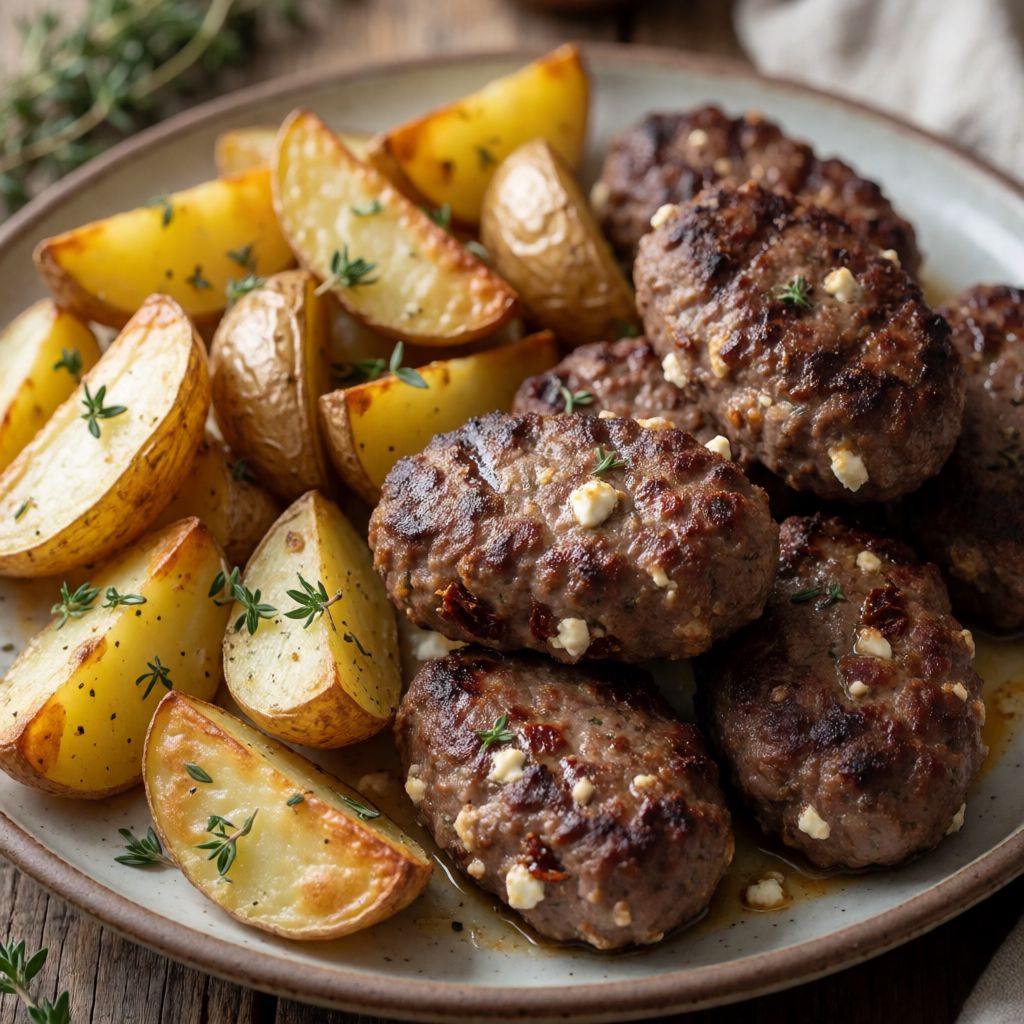
Greek Lamb Kebabs with Thyme Potatoes
Juicy Greek-style lamb meatballs on skewers, served with crispy thyme-roasted potatoes and a fresh Greek salad.
Labels are worked out automatically from the ingredients and can be wrong. Check the packaging if it matters to you.
Ingredients
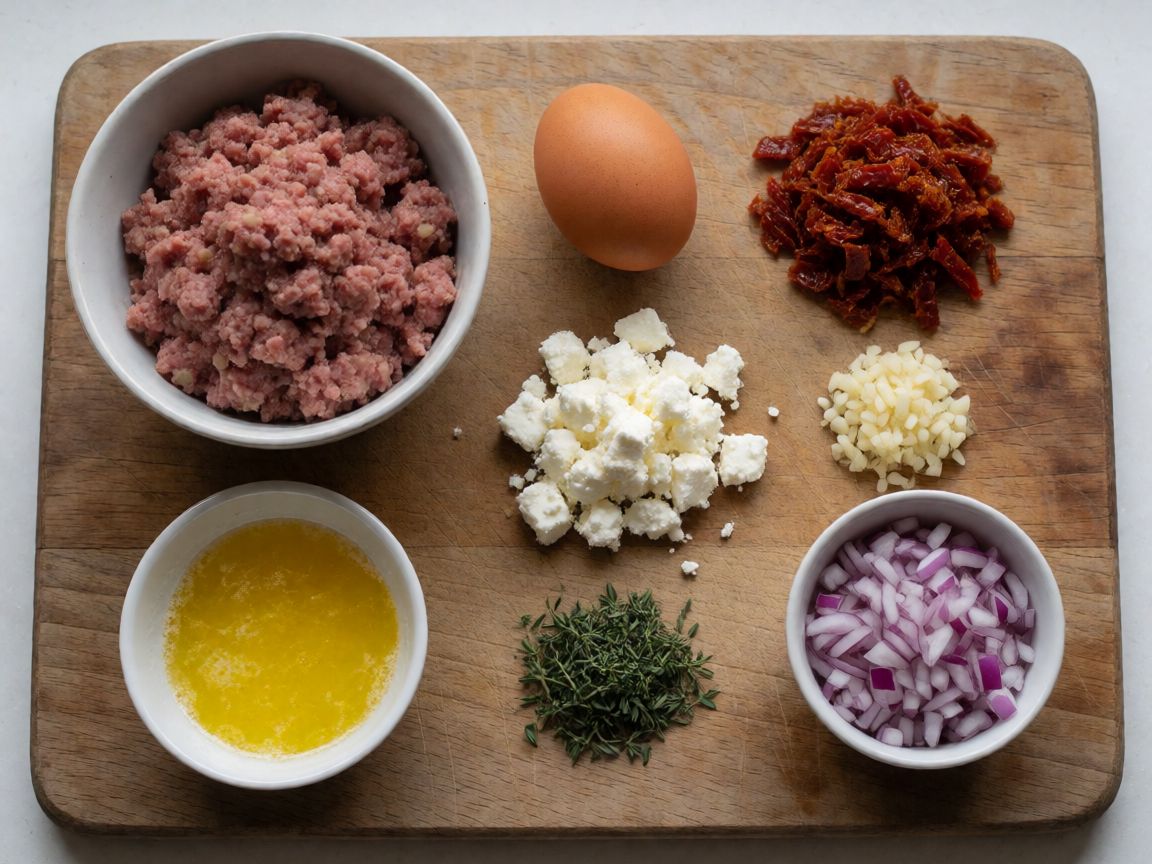
- 500 g Minced lamb
- 1 pcs Egg
- 1 tbsp Sun-dried tomatoes finely chopped
- 1 clove Garlic finely chopped
- 2 tbsp Feta finely chopped
- 3 pcs Thyme sprigs, leaves only
- Salt
- Black pepper freshly ground
- 1 pcs Red onion finely chopped
- 1 tbsp Olive oil for frying
- 1 tbsp Butter for frying










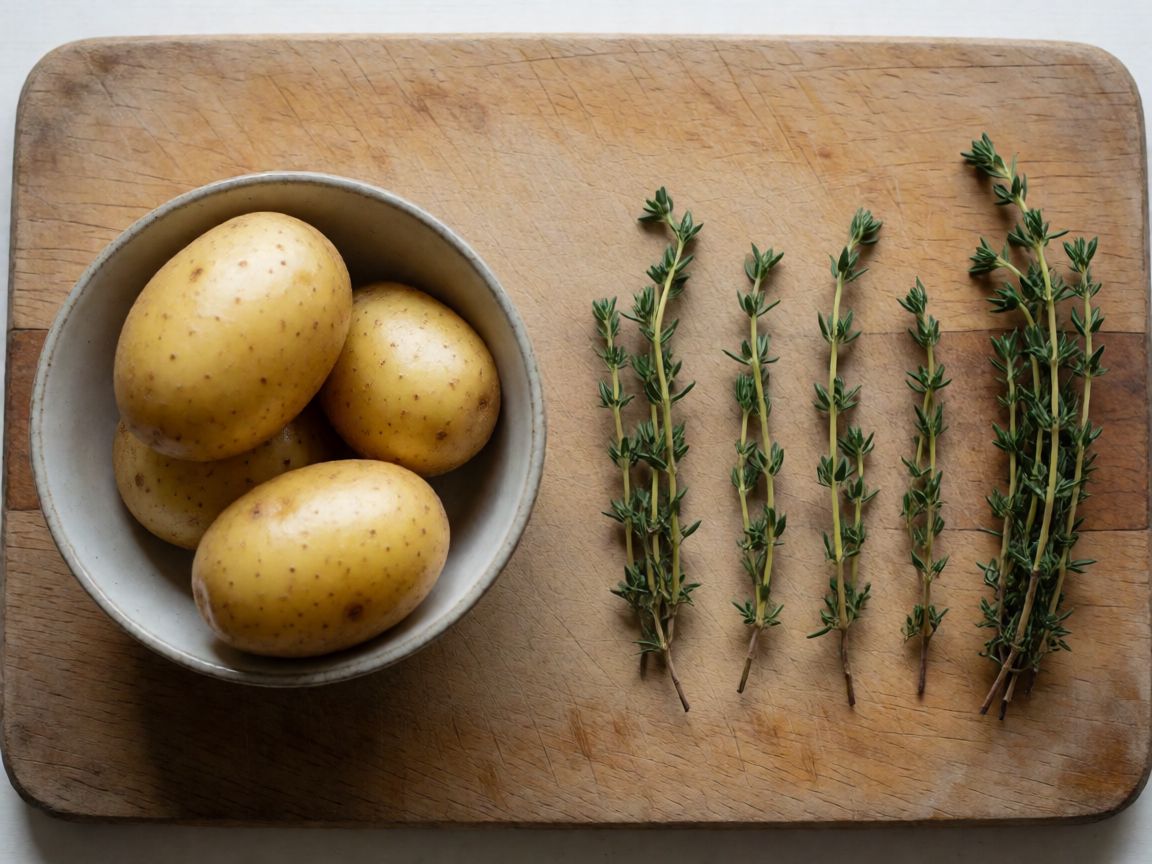
Thyme potatoes

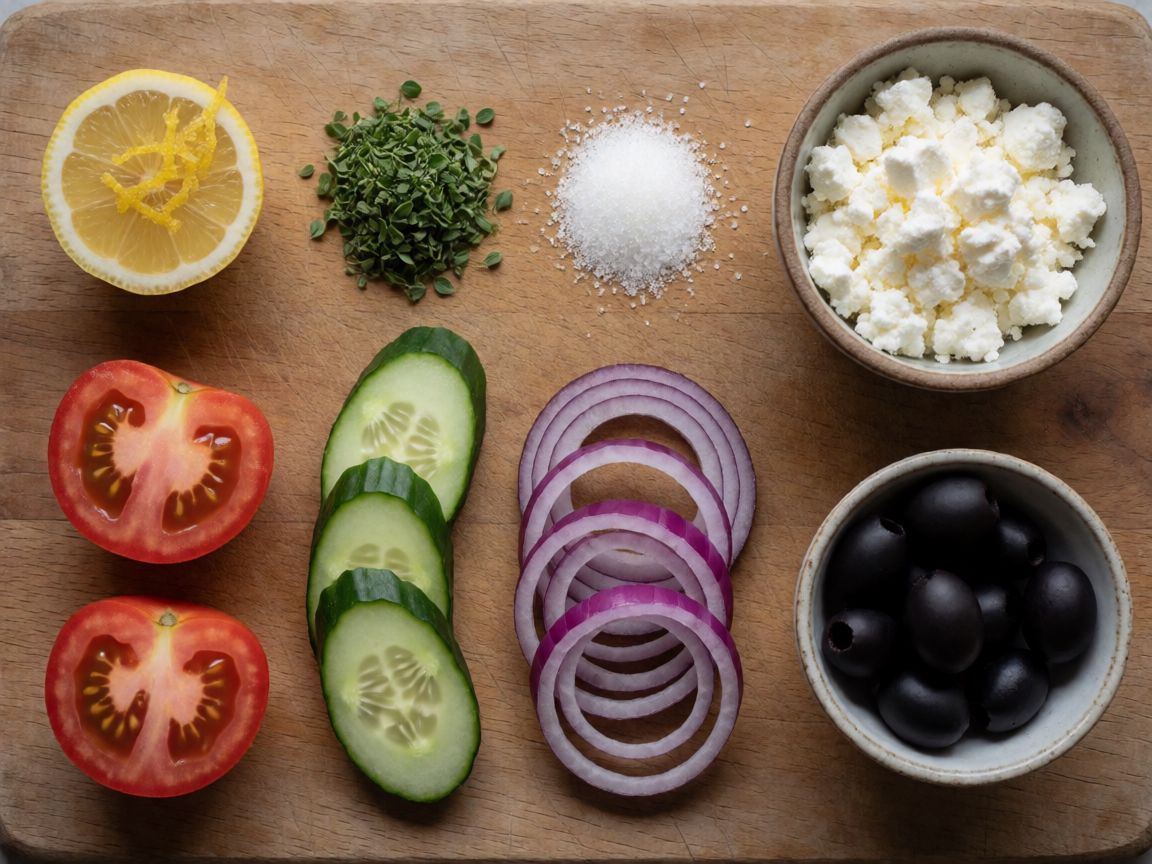
Greek salad






Steps
Peel or scrub the potatoes and cut them into rough wedges.
Mix the potatoes with oil, thyme and salt, then spread on a baking tray lined with baking paper.
Roast in the oven at 200°C for about 30–40 minutes, until the potatoes are crisp and golden.
35 minMix the olive oil, sugar, lemon zest and juice, salt, pepper and finely chopped oregano until the sugar dissolves.
Toss the vegetables with the dressing in a large bowl, crumble over the feta and sprinkle with black olives.
Sprinkle with a little fresh oregano before serving.
Put the minced lamb, egg, garlic, red onion, feta, sun-dried tomatoes, thyme, salt and pepper into a bowl and beat well with a hand mixer for 1–2 minutes.
2 minShape the mince into balls and fry them in a hot pan in olive oil and butter.
Thread the balls onto skewers before serving.
They can also be grilled on skewers.
This is a mezze board dressed up as a main: meatballs on sticks, potatoes roasted hard enough to have a crust, and a salad that's really a quick-pickle with feta sitting in it. Nothing here is Greek in the sense of being fixed by law — it's village food, built on what a household with a few sheep and a vegetable patch actually has: lamb, feta, olives, tomatoes, lemon trees, wild thyme and oregano growing on the hillside for free. The dish works or doesn't on three separate decisions, and they don't talk to each other, so don't let one distract you from the other two.
Decision one is the mince. Beat it — actually beat it, with the egg and the finely chopped onion and feta folded in — until it goes from loose and grainy to slightly sticky and holding together under the spoon. That's not a cosmetic step. Mince that isn't worked is mince that falls apart in the pan, because the proteins haven't had a chance to bind the fat and liquid into a single mass. Some say kebab meat should be left "rustic" and barely touched — no, because rustic and crumbling are not the same thing, and a kofta that disintegrates on the skewer isn't rustic, it's badly made.
Decision two is the potato, and this is where a domestic oven tells on itself. You want wedges that go dry-crisp on the outside while the middle stays soft enough to give under a fork — that only happens if they're spread with air between them, not stacked, so steam escapes instead of sitting under the potatoes and turning them soggy. Oil coats them so the heat transfers evenly and doesn't just scorch the high points.
Lamb is the obvious choice here because it's fatty enough to self-baste as it fries — a lean mince, beef especially, dries out into something closer to a hockey puck once it hits a hot pan without a lid to hold moisture in. If lamb isn't to your taste or budget, pork shoulder mince does a similar job because it carries comparable fat; chicken thigh mince works at a push but you'll want to add a spoon of oil to the mix to replace what it's missing.
The egg is glue, nothing more romantic than that — it sets as the meatball cooks and stops the structure sagging apart, especially useful once you've added feta and sun-dried tomato, both of which weaken the mince's own binding by introducing extra fat and moisture. Skip the egg and you need to compensate with either more beating or a spoon of breadcrumb, otherwise the balls will crack at the first turn in the pan.
Feta earns its place twice in this dish — folded into the meat it melts slightly and salts from the inside, crumbled over the salad it stays whole and salty on the outside. Buy the block in brine, not the pre-crumbled bags, which are usually drier and have already lost some of that brine-salt balance. If feta's not available, a firm, salty sheep's or goat's cheese gets you closer than cow's milk feta-style blocks, which tend to be softer and blander.
For the oil throughout, "olive oil" here is doing a flavour job, not just a heat-transfer one — it's meant to taste of something. Any oil that smells of nothing — sunflower, a mild rapeseed — can carry the frying and the roasting fine, but don't use it in the dressing, where the oil's flavour is half the point. The butter in the frying pan is there for colour and a rounder taste on the meatballs' crust; it browns and smells nutty well before the pan's hot enough to scorch the lamb, so it's a useful early warning — once the butter's foam starts to go quiet and brown-speckled, that's your cue the pan's ready, not a stopwatch.
Thyme twice in this recipe is really two different jobs: the sprigs on the potatoes are there to perfume the oil as it heats, and you discard the woody stems after, keeping only what's infused the fat; the leaves stripped into the meat are there to be tasted directly, so strip them properly rather than letting a stem sneak in and give someone a woody bite. Oregano the same — fresh, if you can get it, because the dried version is punchier and different in character, closer to a background hay note than the grassy brightness fresh leaf brings to a quick dressing like this.
On the onion in the salad: raw red onion straight from the board is harsh, all sulphur and bite — the dressing's acid and sugar are softening it as it sits, which is the whole reason the salad needs time, not haste. If red onion's too sharp for your table even after resting, a shallot or a milder white onion, cut thin, will sit in that dressing just as happily with less aggression.
And on the oven — a British Sunday-roast oven already knows this trick, because it's the same logic as a good crisp roast potato: space, a hot surface, and patience while the moisture drives off. Don't crowd the tray hoping to save time; crowded potatoes steam each other soft rather than crisping, and that's the single most common reason this side dish disappoints.