
 AI photo
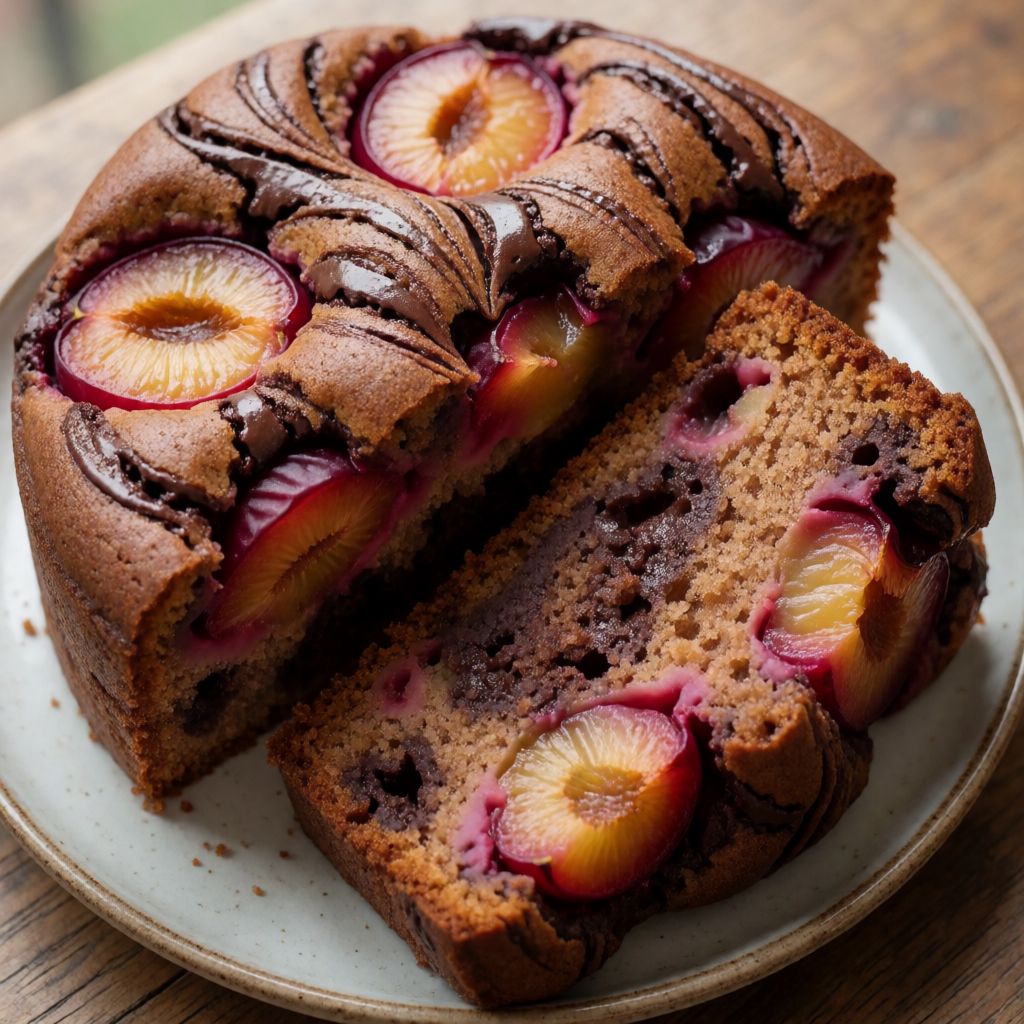
Plum and Chocolate Cake
A rich plum and chocolate cake, finished with fresh plum slices on top.
Labels are worked out automatically from the ingredients and can be wrong. Check the packaging if it matters to you.
Ingredients
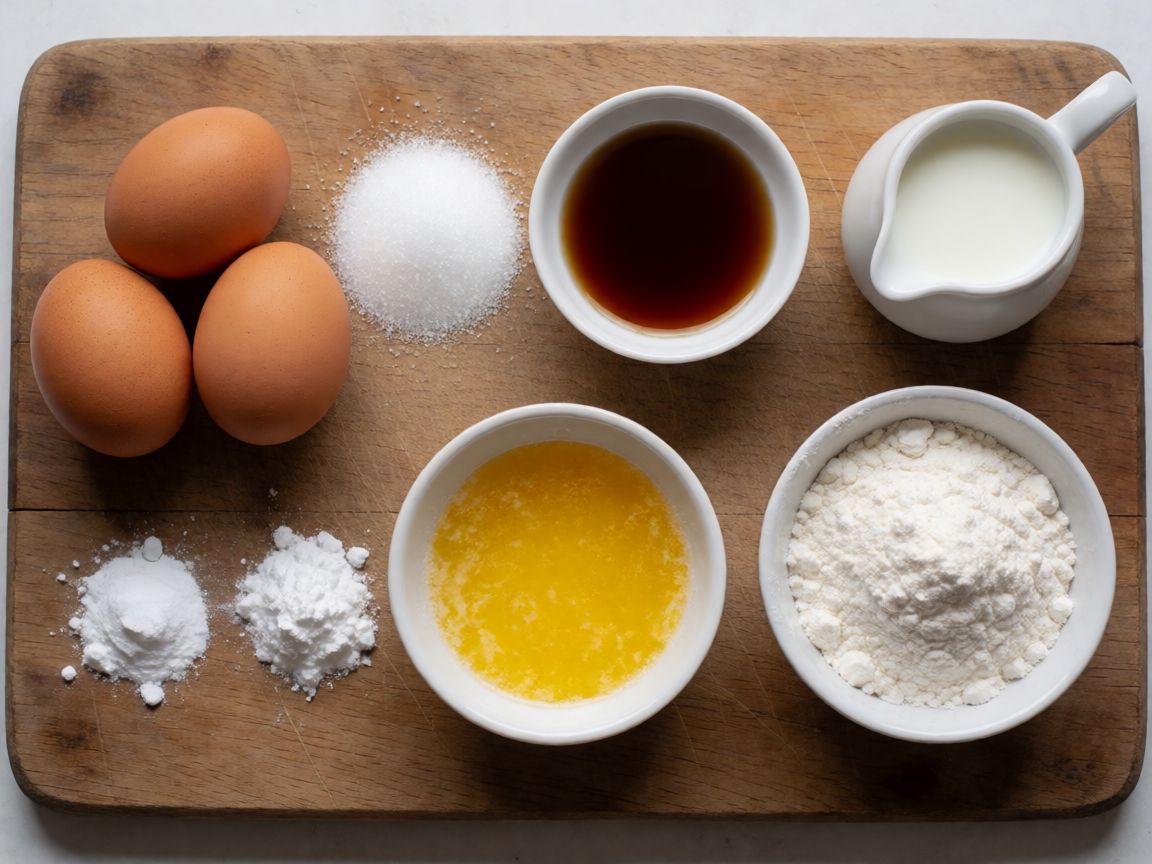
- 3 pcs Eggs
- 150 g Sugar
- 1 tsp Vanilla extract
- 130 ml Milk
- 150 g Butter melted and cooled
- 190 g Plain flour
- 30 g Potato starch
- 16 g Baking powder
- 40 g Cocoa powder
- 100 g Dark chocolate
- 350 g Plums










Steps
Beat the eggs with the sugar and vanilla extract using a mixer until light and fluffy
5 minAdd the milk and the melted, cooled butter
Sift the flour with the potato starch and baking powder, add the cocoa powder and mix in on low speed
Chop the dark chocolate and fold it into the batter with a spatula
Set aside three plums for decoration, cut the rest into pieces and fold into the batter
Pour the batter into a 22 cm tin and arrange the plum slices on top
Bake in the oven, preheated to 180°C, in static mode
45 min
This is a chocolate sponge that's been told to behave like a clafoutis — plums pushed into a cocoa batter, baked until the fruit collapses and the crumb sets around it. It isn't a mousse cake and it isn't a fruit tart. It sits in between, and the whole point is a batter sturdy enough to hold fruit without turning gluey underneath it.
What decides whether it works is the egg-sugar whisk at the start. Five minutes with a mixer isn't a suggestion — it's the only leavening you're doing by hand. You're beating air into the eggs and dissolving the sugar into the foam, building a structure of tiny bubbles that the baking powder will later inflate, not create from nothing. Skip this, or rush it, and you get a cake that's dense at the base and risen only where the chemical leaveners could do all the work alone — uneven, and heavier than it should be.
The starch and baking powder sifted in together with the flour matter for a reason beyond habit. Potato starch has no gluten in it; it dilutes the flour's protein just enough that the crumb stays tender rather than chewy, which matters more here than in a plain sponge because you're about to weigh the batter down with fresh fruit. Some say add more flour if the batter looks wet from the plums — no, because that stiffens the crumb exactly where the fruit needs it soft, and you'll taste the extra flour as dryness everywhere else.
180°C in static mode — no fan — is chosen because a fan oven would crust the top before the centre, dense with fruit, has had time to set. Static heat rises more gently from the element below, giving the middle a chance to catch up. If your oven only does fan-forced, drop it by about 15-20°C and expect to check a little earlier; that's not a betrayal of the recipe, it's just physics catching up with the appliance you actually own. A 22cm tin in an ordinary flat kitchen is the kind of size that fits in a standard UK oven with room to rise — go much wider and the cake will be thin and the fruit will dominate every bite instead of punctuating it.
Doneness here isn't a timer question, whatever the "45 min" on the card implies — that's a floor, not a verdict. Push a skewer in where there's batter, not where there's a plum pocket (plum juice will always come back wet and tell you nothing). It should come out with moist crumb clinging, not raw batter sliding off it. The top should spring back under a light fingertip press rather than leaving a dent. Because this cake is wetter than a plain sponge, it will look slightly underdone a minute before it actually is — trust the skewer over your eyes.
Eggs here are doing structural work, not just richness — room temperature ones whip to a better foam than cold ones straight from the fridge, so if you remember, pull them out half an hour before you start. Butter melted and cooled is for a fat that pours and blends smoothly into a batter rather than creaming against sugar; use any neutral, flavourless oil instead if you're out of butter, and it will still work, just with a slightly less rounded crumb — butter's milk solids are part of what gives this cake its particular softness.
Cocoa powder and dark chocolate are doing two different jobs, not one doubled up. The cocoa powder flavours and darkens the whole batter evenly; the chopped chocolate melts into pockets as it bakes, so you get streaks of denser, almost fudgy chocolate running through an otherwise airy crumb. If you only have one or the other, use more of what you've got rather than trying to make up the difference with sugar — the texture will be more uniform, which isn't a failure, just a different cake.
Plums are the obvious seasonal choice, but this is really a recipe for any stone fruit with enough acid to cut the chocolate — apricots, greengages, even tart cherries pitted and halved work on the same principle. Avoid very sweet, soft fruit like ripe peaches; without that sharpness the cake tips toward cloying, since both cocoa and dark chocolate are already carrying plenty of their own bitterness to balance.
And patience belongs on the ingredients list as much as the eggs do. Let the cake sit in its tin for a few minutes once it's out of the oven before you try to turn it — the structure is still soft from the fruit's moisture and needs a minute to firm up, or it will tear at the base exactly where the plums sat.