
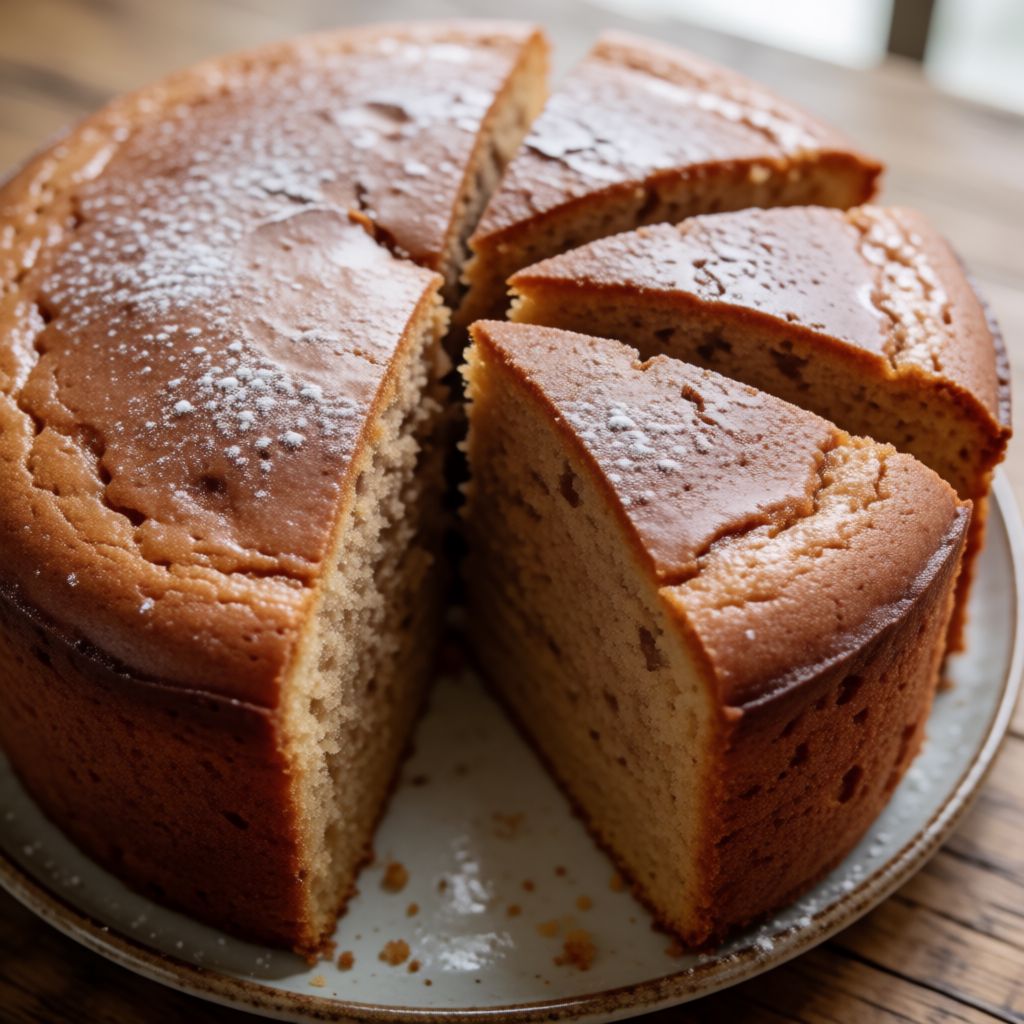
 AI photo
Yoghurt and Chocolate Cake
A moist, chocolatey yoghurt cake, simple to make and perfect for an afternoon treat.
Labels are worked out automatically from the ingredients and can be wrong. Check the packaging if it matters to you.
Ingredients
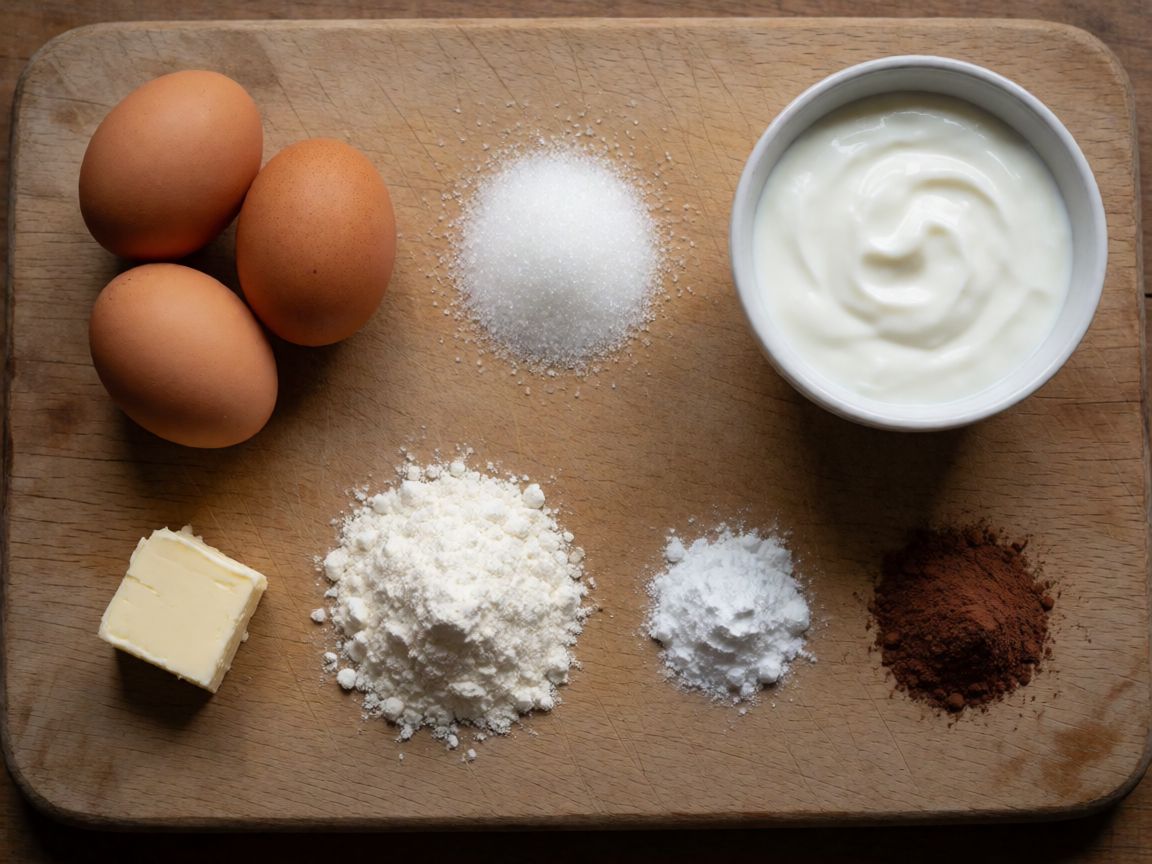
- 3 pcs Eggs
- 150 g Caster sugar
- 125 ml Yoghurt
- 120 g Butter
- 200 g Plain flour
- 50 g Potato starch
- 15 g Baking powder
- 20 g Cocoa powder
- 150 g Dark chocolate
- 1 pcs Orange zest from half an orange










Steps
In a bowl, combine the eggs with the sugar and whisk with an electric mixer on high speed until thick and creamy.
Add the yoghurt and mix, then pour in the melted butter and combine thoroughly.
Add the orange zest for flavour.
Sift in the flour, potato starch and baking powder, add to the batter and mix, then stir in the cocoa powder.
Whisk again with the mixer until smooth and free of lumps.
Melt the dark chocolate in a heatproof bowl over a pan of simmering water, or in the microwave, let it cool slightly and fold into the batter.
Pour the batter into a 24 cm springform tin, greased with butter and dusted with flour.
Bake in a preheated fan oven at 180°C for about 40 minutes, or in a conventional oven for 45–50 minutes.
45 min
This is a sponge that leans on yoghurt and starch rather than on whipped cream or folded egg whites to stay moist — a cake built for the domestic fridge-and-shop reality, not for a pastry kitchen. What decides whether it works is how long you beat the eggs and sugar at the start: that's where the air goes in, because there's no other leavening doing the heavy lifting here except the baking powder, which only holds air, it doesn't make it.
People say "whisk until pale" like it's decoration. No — pale means air is trapped in a lattice of beaten egg protein, and that lattice is what carries the weight of butter, chocolate and yoghurt without the crumb turning dense and wet. Thick and creamy, ribbon-like when it drops off the whisk — that's the cue, not a stopwatch reading.
The potato starch alongside the flour is the other quiet decision. Starch has no gluten, so it dilutes the flour's structure just enough to keep the sponge tender instead of chewy — this is a cake meant to be soft and a bit damp inside, not a bouncy Victoria sponge. If you've only got flour, you can skip the starch, but expect a slightly firmer crumb — not wrong, just a different cake.
Doneness here is not "45 minutes" — that number is where you start checking, not where you stop. A skewer coming out with a few moist crumbs clinging (not wet batter) and the top springing back when pressed — that's your cake. Chocolate sponges are forgiving liars: they look dark and done on top well before the centre has set, so trust the skewer, not your eyes.
Eggs and sugar whisked together do two jobs at once: the sugar dissolves into the egg and slows the proteins from setting too fast, giving you time to beat enough air in before the mixture would otherwise collapse into foam and weep. Caster sugar matters more than people think — it dissolves fast because the crystals are small; granulated will work but drags the whisking out longer, and you'll feel the grit under your tongue if it doesn't fully dissolve.
Yoghurt here isn't flavour, it's acid and moisture. The acid reacts with the baking powder a touch, giving a gentler, steadier rise than baking powder alone in a neutral batter — and the fat-and-water mix in yoghurt keeps the crumb from drying out the way a purely butter-and-flour sponge can over a day on the counter. Use a plain, unsweetened yoghurt with some actual fat in it — low-fat varieties are mostly water with thickeners, and the cake will taste thinner for it. Soured cream is the nearest stand-in if that's what's in your fridge.
The butter wants to be melted, not softened and creamed — this is not a creaming-method cake, so don't waste time bringing it to room temperature on the windowsill; straight from fridge to a small pan or the microwave is faster and correct. Any neutral butter works; margarine will do in a pinch but brings its own faint smell, and in a cake this chocolatey you won't taste the difference anyway.
Flour plus potato starch plus baking powder get sifted together for one reason only: baking powder clumps, and an undissolved clump of it in the finished cake is a bitter, metallic surprise on someone's fork. Sifting isn't ceremony, it's insurance against that one bad bite. Cornflour substitutes for potato starch at the same weight if that's what you have open in the cupboard.
The dark chocolate folded in at the end, after melting and cooling slightly, is there so you don't scramble the eggs in the batter with a too-hot addition — fold it in warm, not hot, and fold rather than beat, because by now you want to keep the air you built at step one, not knock it back out. Choose a chocolate you'd actually eat off the bar — 60–70% cocoa gives you bitterness against the sugar; much higher and the cake turns austere, much lower and it's just sweet on sweet.
A UK fan oven at 180°C and a conventional oven at the higher range given aren't two options for taste, they're the same heat delivered differently — a fan forces air round the cake so it cooks a touch faster and more evenly, a conventional oven relies on radiant heat from the walls and runs gentler at the same dial setting, hence the longer time. Either way, grease and flour the tin properly — that thin coat is what stops the sponge tearing itself apart trying to leave the tin, and it's a five-second job against a cracked cake. Orange zest, by the way, is only half an orange's worth for a reason: enough to lift the chocolate, not enough to turn it a different pudding — zest more and you'll be eating orange cake that happens to have cocoa in it. And patience at the cooling stage isn't optional either: cut it warm from greed and the crumb, still setting, will tear and look sadder than it tastes.