
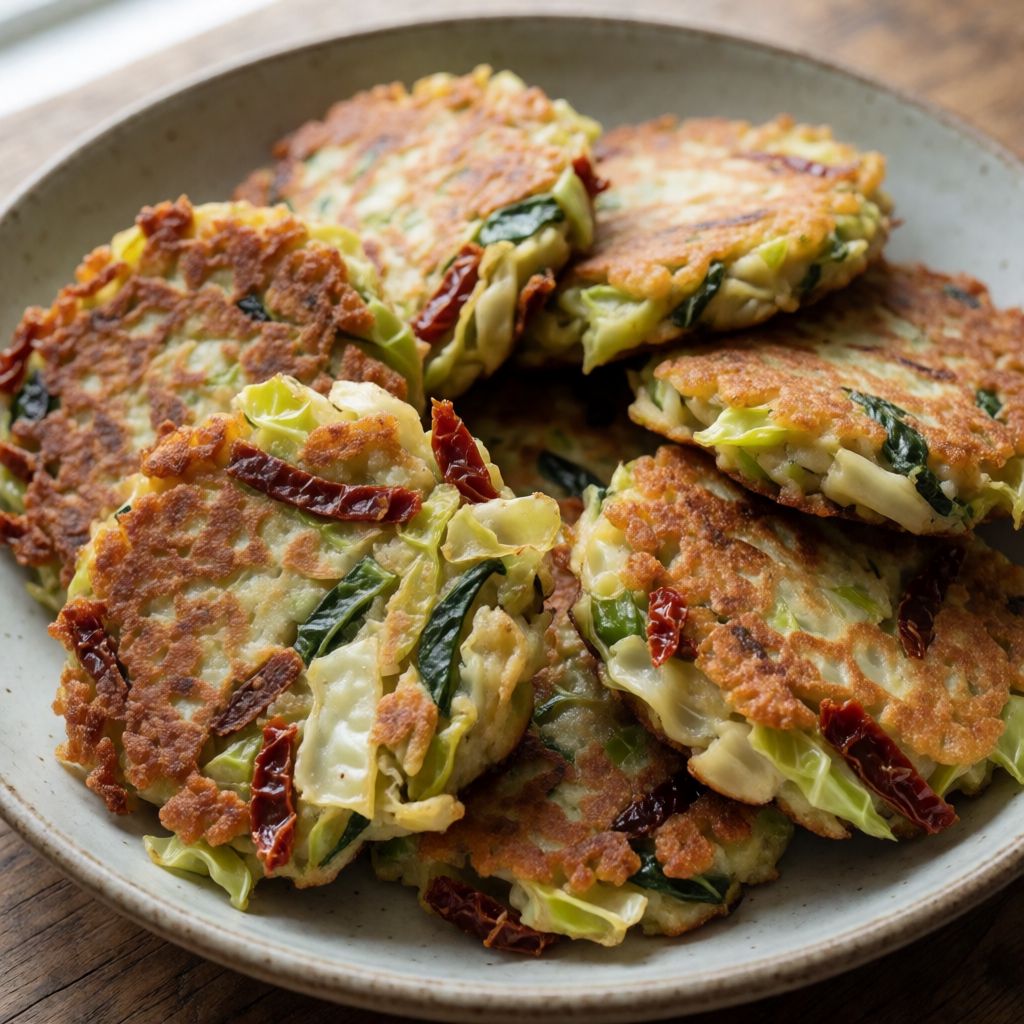
 AI photo
Greek Vegetarian Bowl with Vegetable Fritters
A Greek-style vegetarian bowl with crispy vegetable fritters, lemon rice, tzatziki and halloumi.
Labels are worked out automatically from the ingredients and can be wrong. Check the packaging if it matters to you.
Ingredients
Vegetable Fritters
- 3 pcs Eggs
- 50 g Plain flour
- 150 g Pointed cabbage finely chopped
- 2 tsp Dried thyme dried
- 20 g Sun-dried tomatoes finely chopped
- 2 clove Garlic crushed
- 1 can Chickpeas drained and rinsed
- 100 g Halloumi
- Salt
- Black pepper freshly ground
- 4 tbsp Olive oil











Tzatziki
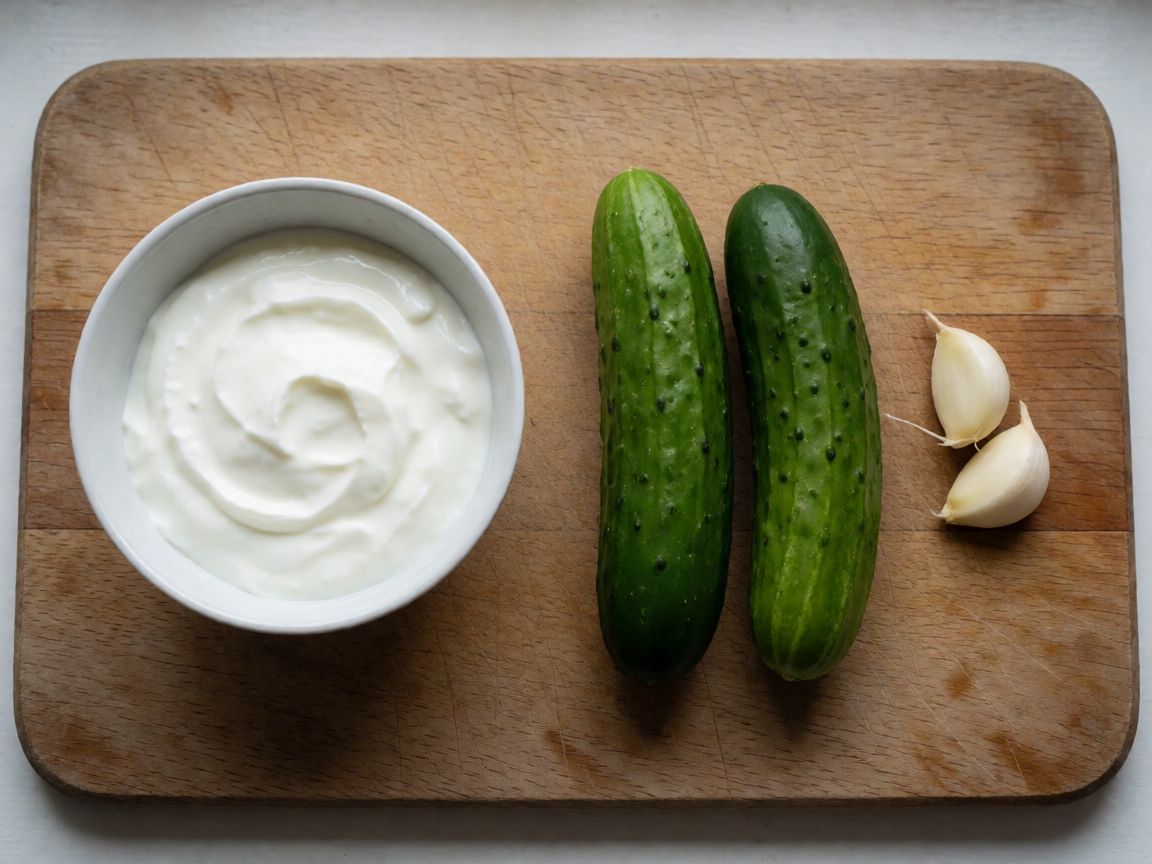
- 500 ml Greek yogurt
- 2 pcs Cucumber
- 3 clove Garlic crushed
- 2 tbsp Olive oil
- Salt
- Black pepper freshly ground


Lemon and Parsley Rice
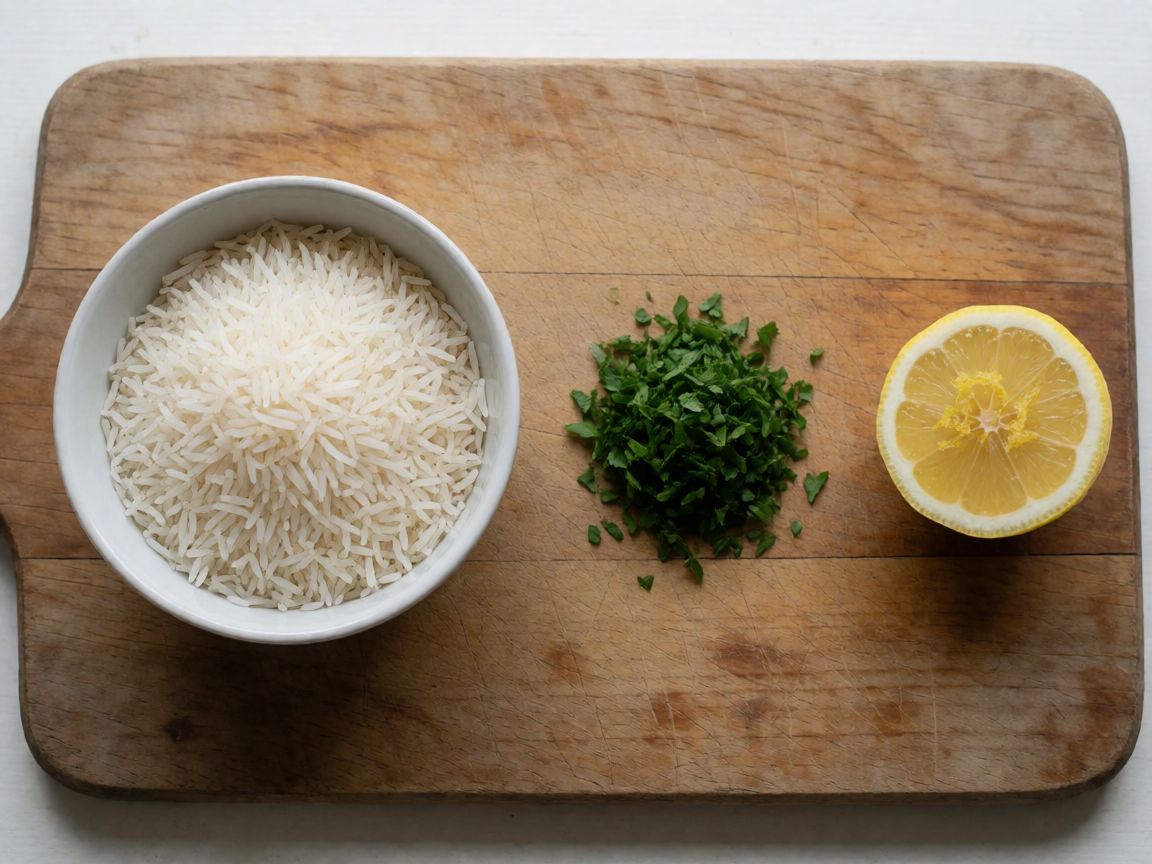
- 200 ml Basmati rice
- 400 ml Water
- 1 bunch Parsley finely chopped
- 0.5 pcs Lemon organic, finely grated zest
- 0.5 tsp Salt




To Serve
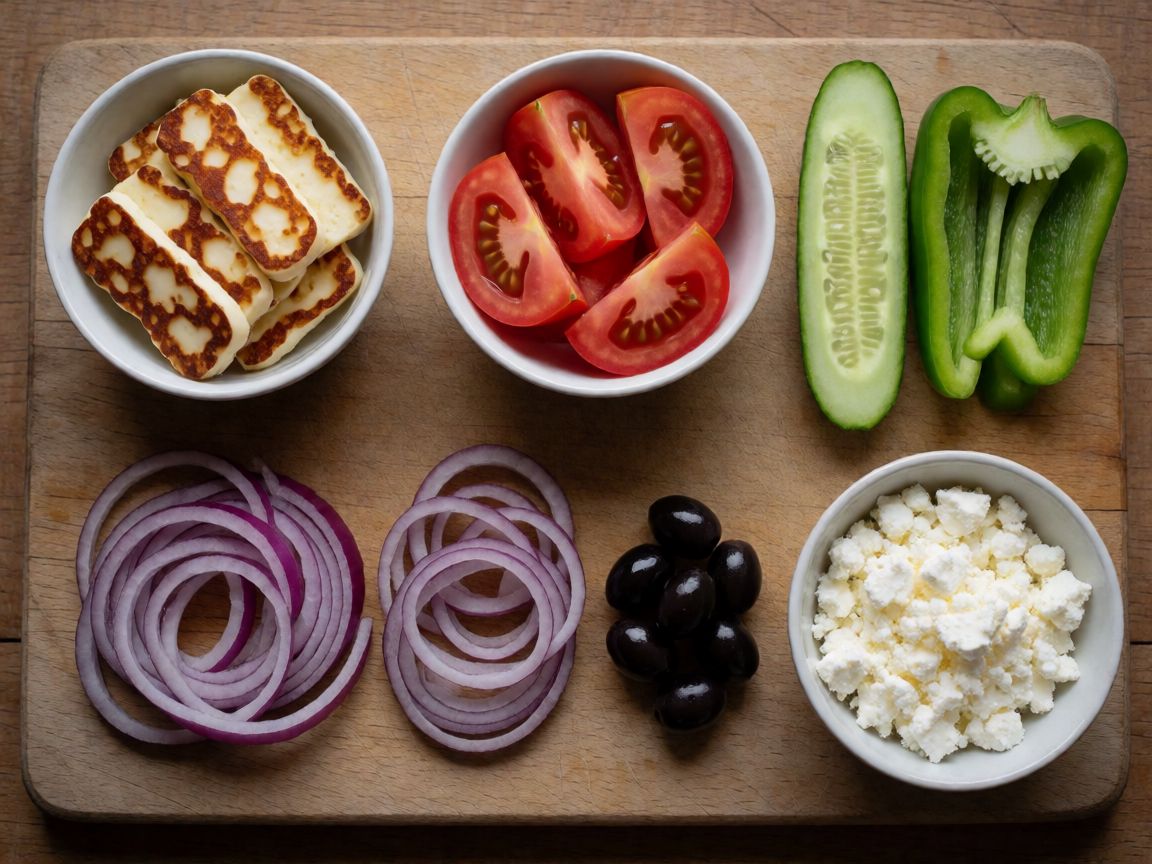
- 150 g Halloumi sliced
- 300 g Tomato cut into quarters
- 0.5 pcs Cucumber halved and sliced
- 1 pcs Bell pepper cut into strips
- 1 pcs Red onion cut into rings
- 100 g Feta crumbled
- 80 g Black olives
- 1 tbsp Olive oil





Steps
Mix the eggs, plain flour, cabbage, thyme, sun-dried tomatoes and garlic. Leave to stand for 15 minutes.
15 minStir the mixture and add the roughly chopped chickpeas (chopped coarsely in a food processor or mini chopper) and finely crumbled halloumi.
Fry the vegetable fritters in a hot pan with oil for 5 minutes on each side.
5 minCut and grate the cucumbers, salt them, leave to stand for 5–10 minutes and drain off the liquid.
10 minMix the cucumber with yogurt, garlic, salt, pepper and olive oil to make the tzatziki, then adjust to taste.
Bring the water with the rice and salt to the boil, cover and simmer on low heat for 10 minutes.
Leave the rice to stand, covered, for another 10 minutes.
10 minStir the lemon zest and parsley into the rice.
5 minFry the sliced halloumi in a griddle pan on both sides until golden.
5 minDivide the components between bowls: lemon and parsley rice, vegetable fritters, vegetables (tomato, cucumber, pepper, onion), tzatziki and halloumi. Scatter olives and feta on top.
This isn't really one dish — it's five small ones that get along because they're all built on the same two or three ideas: something starchy, something fresh and acid, something salty and fried, and a sauce that ties them together. A Greek bowl works the way a good mezze table works — nobody component has to be perfect, they just have to talk to each other. The fritter carries the weight, the rice carries the lemon, the tzatziki carries the cool, and the raw veg does what raw veg always does in this cuisine: refuses to be cooked into submission.
What decides whether this works isn't technique, it's moisture control, three times over. The cabbage and chickpeas in the fritter batter, the cucumber for the tzatziki, the rice at the end — every one of them wants to leak water into something that's supposed to hold a shape or keep a crunch. Miss any one of the three drainings and you get a sloppy fritter, a soup instead of a dip, or stodgy rice. That's the whole game.
Some say fritters need baking powder to hold together — no, because the flour and three eggs are already doing the binding job; what actually falls apart is a fritter that's wet inside from undrained veg, not one that's short on raising agent. The fix isn't more flour, it's less water going in to begin with.
Start with the fritter mix standing for fifteen minutes before you do anything else to it. That's not tradition for its own sake — it's the flour hydrating and the salt pulling water out of the cabbage. If you skip the rest and fry straight away, the batter is still grainy and the cabbage is still crisp and wet, and wet cabbage means a fritter that steams instead of frying, pale and soft where it should be a proper crust. Standing time is doing real work; it's the difference between a batter and a slurry.
The pan for the fritters needs to be hot enough that the surface the batter touches seizes and browns almost at once — you're listening for a confident sizzle the second it goes in, not a timid one. If it's quiet, your pan isn't ready and the fritter will drink oil instead of crusting over. On a home hob that's your highest realistic setting short of the oil smoking; no kazan, no restaurant burner, just get the oil properly shimmering before the first fritter goes anywhere near it. Five minutes a side is the lower bound — what you're actually watching for is a crust that's gone from pale and wet-looking to a solid ginger-brown edge, and a fritter that releases from the pan on its own instead of sticking and tearing when you try to flip it.
The chickpeas get roughly chopped, not mashed smooth — you want texture, little bits that still bite, not hummus. A food processor pulsed a few times does this; by hand with a knife on a board works just as well if you're patient, you're just chopping a tin of chickpeas instead of a courgette. Halloumi crumbled into the mix melts a little inside the fritter and gives you pockets of salt and chew — any firm salty cheese that doesn't collapse into liquid when it gets hot would stand in, but halloumi's whole reason for existing is that it holds its shape under heat, which is exactly the property you need here.
Grating the cucumber and salting it before it goes anywhere near the yogurt is the one step people skip and then wonder why their tzatziki is thin. Cucumber is mostly water held in cell walls; salt draws that water straight out through osmosis, and if you don't let it drain for those ten minutes, that water ends up in your sauce, diluting the yogurt and making the whole thing split and weep on the plate later. Squeeze it in a tea towel or a few sheets of kitchen paper if your sink doesn't have a sieve handy — the point is get the water out before the cucumber meets the yogurt, not after.
For the yogurt itself, you want something thick enough to hold a spoon upright — Greek yogurt is sold that way because it's been strained of its whey, which is exactly the concentration you're trying to protect by draining the cucumber properly. If all you've got is a thinner natural yogurt, tip it into a sieve lined with a napkin or paper towel for twenty minutes first and let some whey run off; you're recreating the same process by hand.
The rice step is the quiet one and the one most likely to go wrong on an ordinary hob because people don't trust it. Once it's at a boil, covered, down to the lowest flame that still keeps a whisper of movement under the lid — not a rolling boil, because that agitates the grains and breaks them, giving you a mushy, starchy result instead of rice where every grain stays separate. Ten minutes simmering, then off the heat, lid still on, another ten minutes standing — that standing time is the rice finishing on its own residual steam, and lifting the lid early to check is the single most common way to ruin it, because you let the steam escape before the job's done. Lemon zest and parsley go in only once the rice has had its rest; stir them through hot rice right out of the pan and the zest's oils bloom into the grain instead of sitting flat on top.
Halloumi again for the final fry, this time sliced and in its own pan, hot enough to colour quickly in stripes or solidly, your choice, but fast — it's a cheese that goes from golden to rubbery-tough within a minute if you leave it too long, because once the moisture inside has driven off there's nothing left to keep it tender. Any neutral oil with no scent of its own does the frying work here — a flavourless vegetable or light olive oil, nothing that fights with the thyme or the lemon already in the bowl; save a fruitier extra virgin for drizzling raw at the end if you want that flavour, not for the hot pan.
Feeds four generous bowls, which in practice in a British kitchen means: cook the rice in a lidded saucepan you'd normally use for pasta, fry the fritters in your biggest frying pan in two batches rather than crowding it, and don't panic that you don't own a tagine or a clay pot — none of this needs one. It's a weeknight-sized project stretched a bit by the standing times, which is really the only patience this dish asks of you: fifteen minutes here, ten there, built in so you're not fighting water the whole way through.