
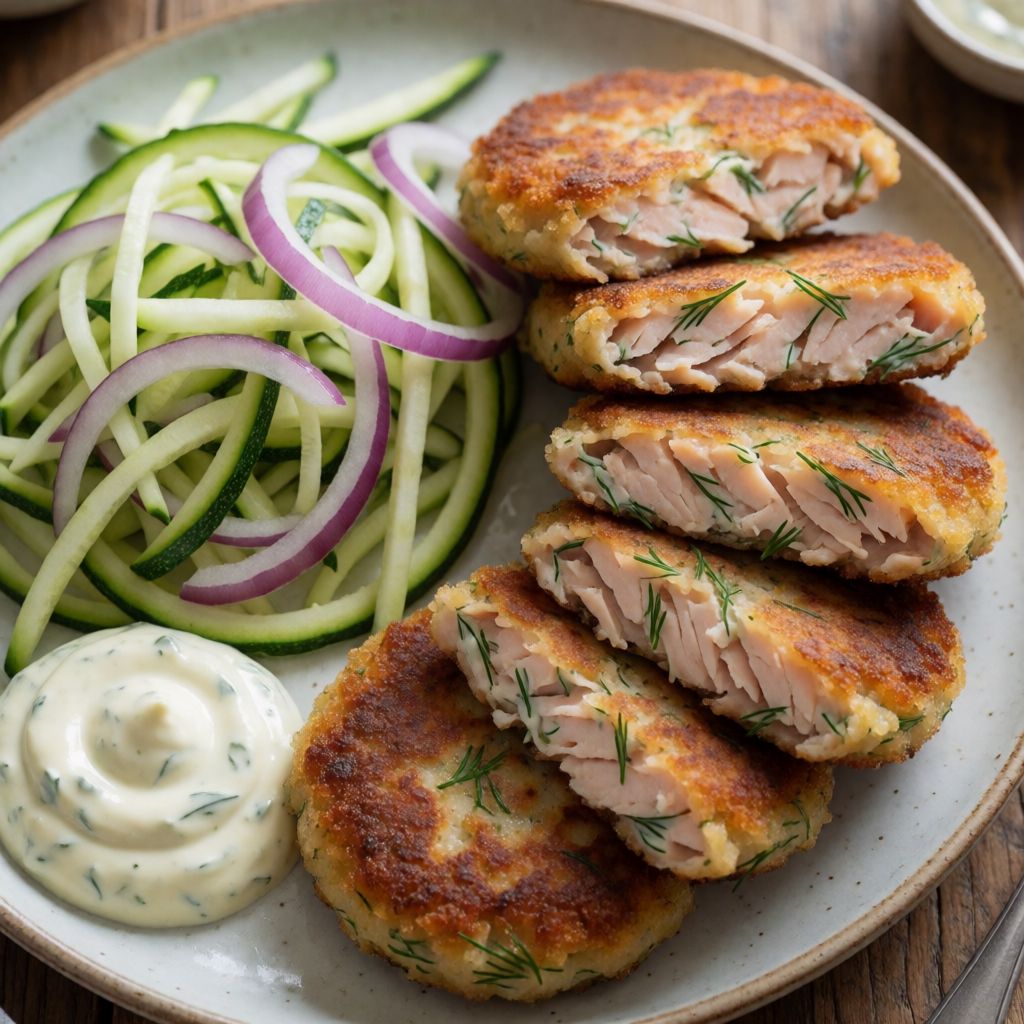
 AI photo
Salmon Fishcakes with Remoulade and Raw Vegetable Salad
Salmon and cod fishcakes served with a tangy curry remoulade, a raw carrot and apple salad, and roasted potato wedges.
Labels are worked out automatically from the ingredients and can be wrong. Check the packaging if it matters to you.
Ingredients
- 1 pcs Red onion
- ½ pcs Courgette
- 300 g Cod
- 300 g Salmon skinless
- 2 pcs Eggs
- 1 bunch Dill fresh
- 40 g Plain flour
- 100 ml Double cream
- 1 tbsp Butter for frying
- 1 tbsp Olive oil for frying
- Salt
- Black pepper freshly ground












Remoulade
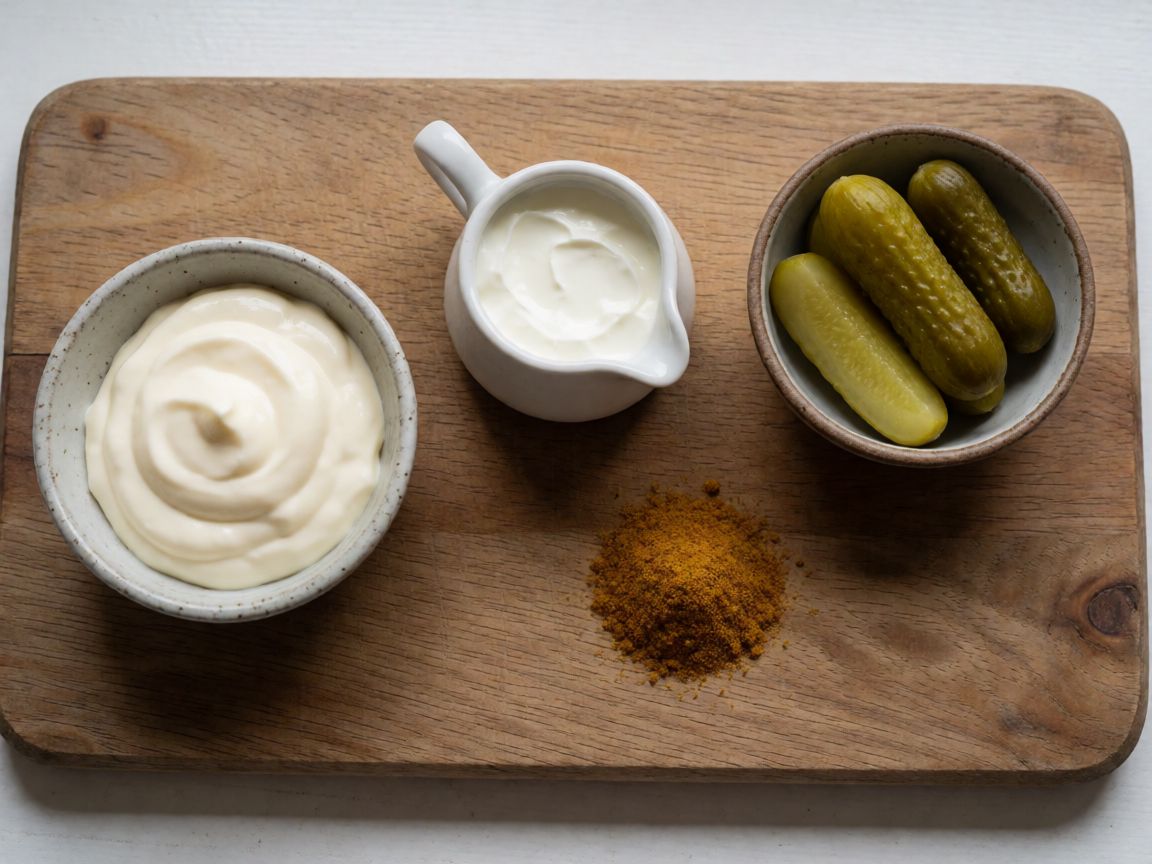
- 2 tbsp Mayonnaise
- 100 ml Crème fraîche
- 100 ml Gherkins finely chopped
- ½ tsp Curry powder medium strength
- Salt
- Black pepper freshly ground



Raw vegetable salad
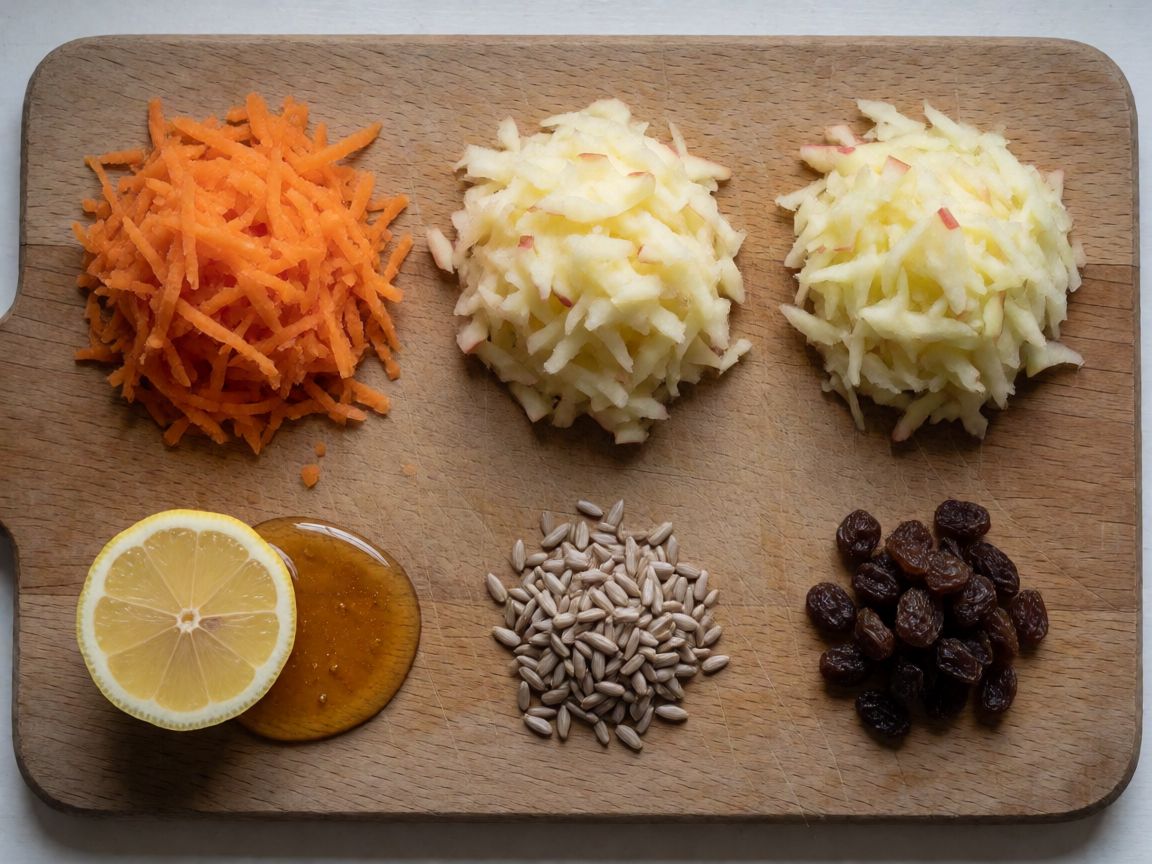
- 3 pcs Carrot coarsely grated
- 2 pcs Apple coarsely grated
- ½ pcs Lemon juiced
- 1 tbsp Honey
- 1 tbsp Sunflower seeds
- 2 tbsp Raisins






Potato wedges


Steps
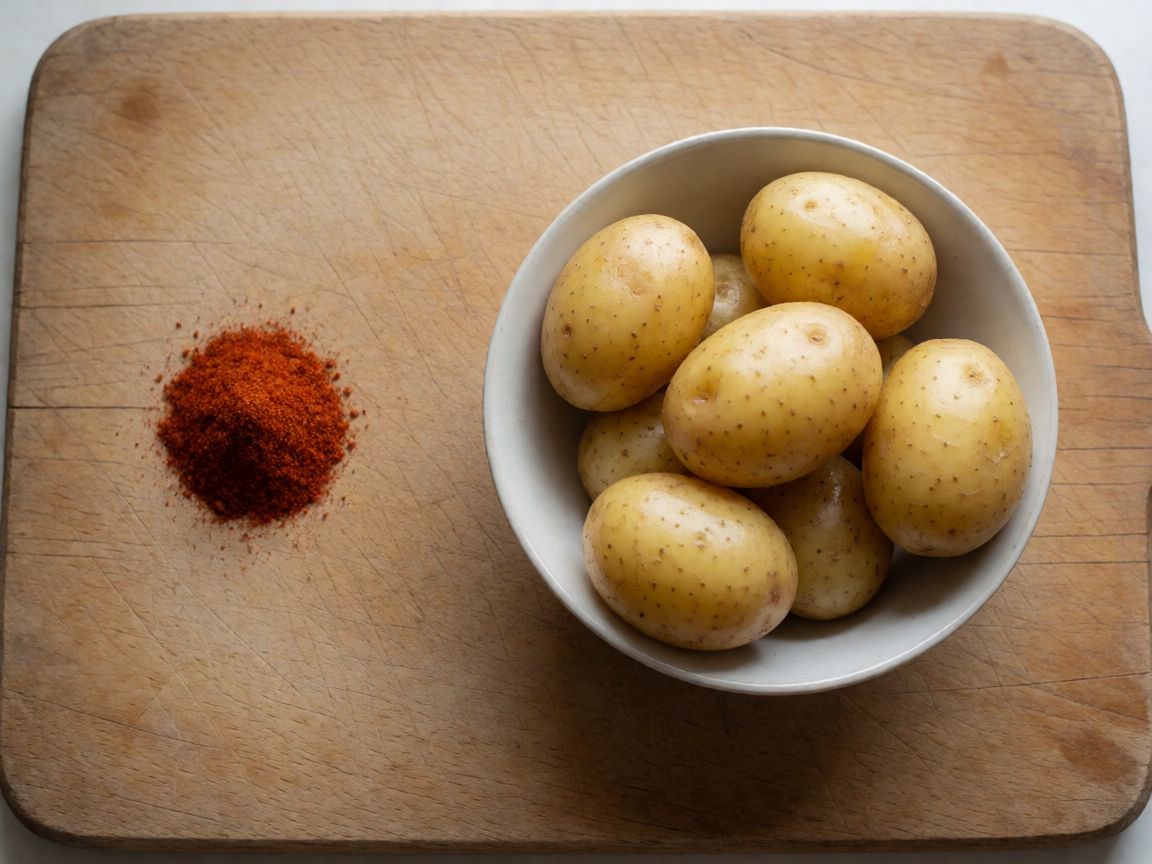
Cut the potatoes into wedges, toss with the oil, salt and paprika, and roast in a preheated fan oven at 200°C for 30-35 minutes, until golden and crisp
33 minTurn the potatoes a few times while roasting
17 minPut the onion and courgette into a food processor and chop finely
2 minAdd the remaining fishcake ingredients, except the butter and oil, and mix until the mixture comes together
2 minChill the fish mixture for half an hour so it firms up and the flavours develop
30 minFry the fishcakes in the oil and butter in a pan over medium heat until golden and crisp on both sides
8 minMix all the remoulade ingredients together and season to taste
2 minMix the lemon juice with the honey, then add the coarsely grated apple and the remaining salad ingredients, and serve at once
3 min
A fishcake is an argument against waste dressed up as a dish — two fish nobody wants to pay top price for, cod and salmon, bound into something that costs less than either would alone and tastes, done right, of more than its parts. The whole thing stands or falls on one thing: can you get the patty to hold itself together in a hot pan without turning into scrambled fish and breadcrumbs. That's the mechanism, and everything else — the chopping, the chilling, the cream — serves it.
Raw fish, chopped fine with onion and courgette, has almost no structure. Protein alone won't bind it; you need the egg to set like glue when it hits heat, and the flour to soak up the moisture the courgette and onion throw off once they're cut (that juice is the enemy here — too much of it and your cake won't hold a shape, it'll slump). The double cream isn't for richness so much as to carry flavour through a mix that's otherwise lean and a bit dry once cooked.
Here's the myth: some say you shape and fry straight away, fresh is best. No — fresh is why it falls apart. A warm, loose mixture meets a hot pan and the outside cooks before the inside has any chance to bind; you get a crust around soup. The half hour in the fridge isn't decoration, it's the fat solidifying and the flour swelling, which is what gives you a cake that survives being turned with a fish slice instead of disintegrating into it.
Start with the fish. Cod brings a clean, almost neutral taste and flakes apart easily — that's structure you're borrowing, since cod itself has decent natural muscle fibre holding it together even raw. Salmon brings fat and colour and a stronger flavour that would be too much on its own; together they balance each other the way a fatty cut and a lean cut balance each other in mince for burgers. If you can't get fresh salmon, frozen and defrosted works — pat it properly dry first, because that extra water is exactly the thing threatening your binding. Any firm white fish — haddock, pollock — stands in for the cod; what you're choosing on is "flakes but doesn't disintegrate when raw," not a particular species.
The onion and courgette go in raw and finely chopped in the processor for two reasons, not one. They add moisture and a vegetable sweetness once cooked, but raw they're mostly water-in-waiting — which is why they're processed fine rather than left in chunks, so that water distributes through the mix instead of pooling in one corner of the patty and turning it soggy on one side. Any firm vegetable with a mild taste could go here instead — celeriac, a bit of fennel — the criterion is low moisture release and no flavour strong enough to fight the fish.
The egg does structural work, not flavour work — it's the thing that actually sets when heat hits it and locks the chopped fish and vegetable into a solid piece; without it you have fish-flavoured rubble. The flour's job is absorption: it mops up whatever moisture the vegetables and cream contribute so the mix is firm enough to shape by hand, not wet enough to need a spoon. If you're short of flour, breadcrumbs do the same absorbing job, though they change the texture a touch — slightly more open, less dense.
Butter and oil together in the pan is an old trick worth keeping, not inventing new for: butter alone burns before the fishcake's crust has set, oil alone doesn't give you the browning or the smell. The oil raises the smoke point, the butter brings the flavour — fry in both and you get colour without burning. Any neutral oil with no smell of its own — sunflower, rapeseed, a light vegetable oil — would do the oil half; what you're avoiding is something with a strong taste of its own, like strong olive oil, elbowing out the fish.
The remoulade is mayonnaise with gherkin for sharpness and crunch and curry powder for warmth — crème fraîche loosens it and adds a sourness plain mayonnaise alone doesn't have. The salad's logic is acid against fat: lemon juice and honey dressed over raw grated carrot and apple cuts through the richness of fried fish bound in cream, the way a squeeze of lemon cuts through any fried fish dish. Raisins and sunflower seeds are there for texture more than taste — something to bite against in a salad that's otherwise soft, grated, and a little wet.
And the potatoes — wedges, oiled, roasted hot till the outside crisps and the inside goes soft, which you check by seeing the colour turn from pale to golden-brown at the edges, not by watching a clock. Some say wedges need parboiling first like proper roast potatoes — no, not here, because you're not after the fluffy centre of a Sunday roast potato, you're after something closer to a chip's crust, and a hot oven straight from raw does that job on its own, provided you turn them so every side gets its turn against the hot tray.
Patience is the one ingredient missing from the list but present in the method: the half hour's chill before frying is non-negotiable if you want a cake and not a mess, and nothing in a food processor replaces it.
·