
 AI photo
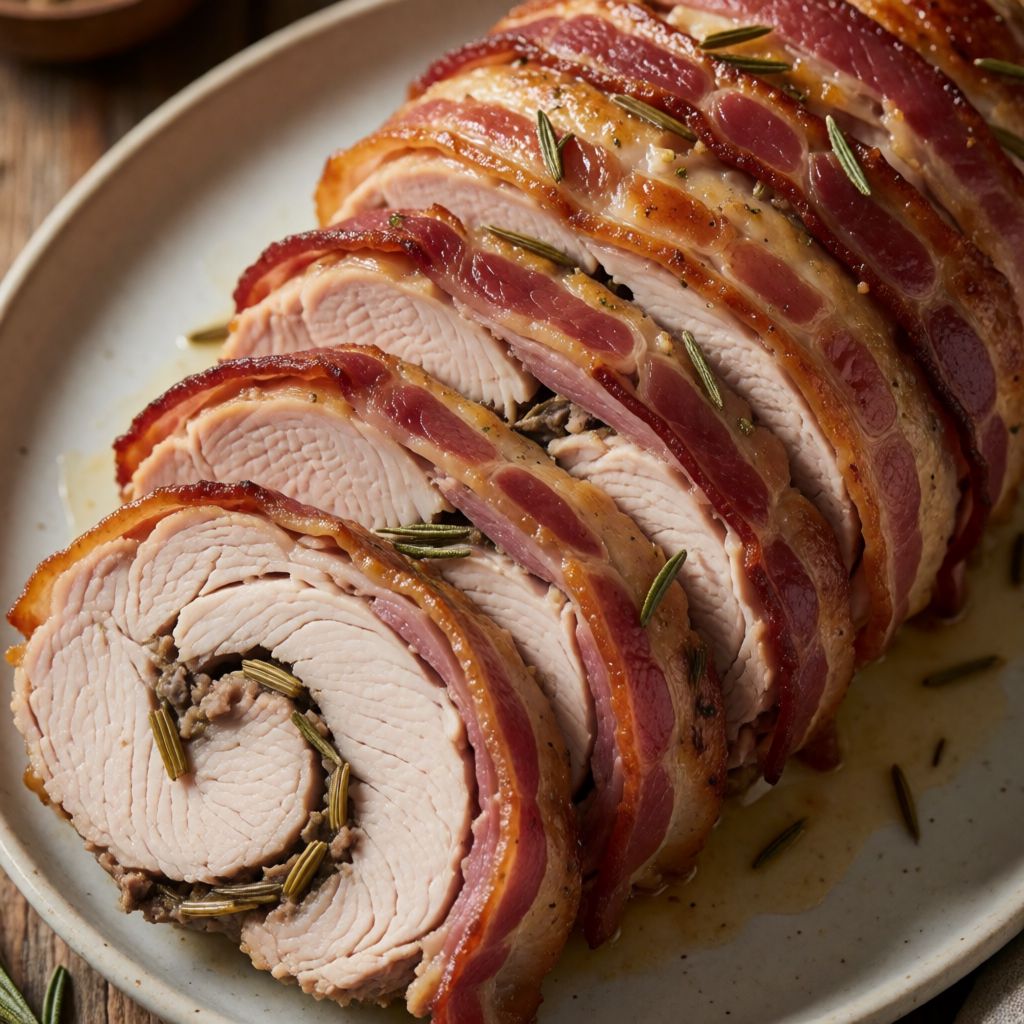
Stuffed Turkey Breast with Bacon
A brined turkey breast stuffed with a pork, apricot and pistachio filling, wrapped in bacon and roasted with vegetables, served with roast potatoes and a sauce.
Labels are worked out automatically from the ingredients and can be wrong. Check the packaging if it matters to you.
Ingredients
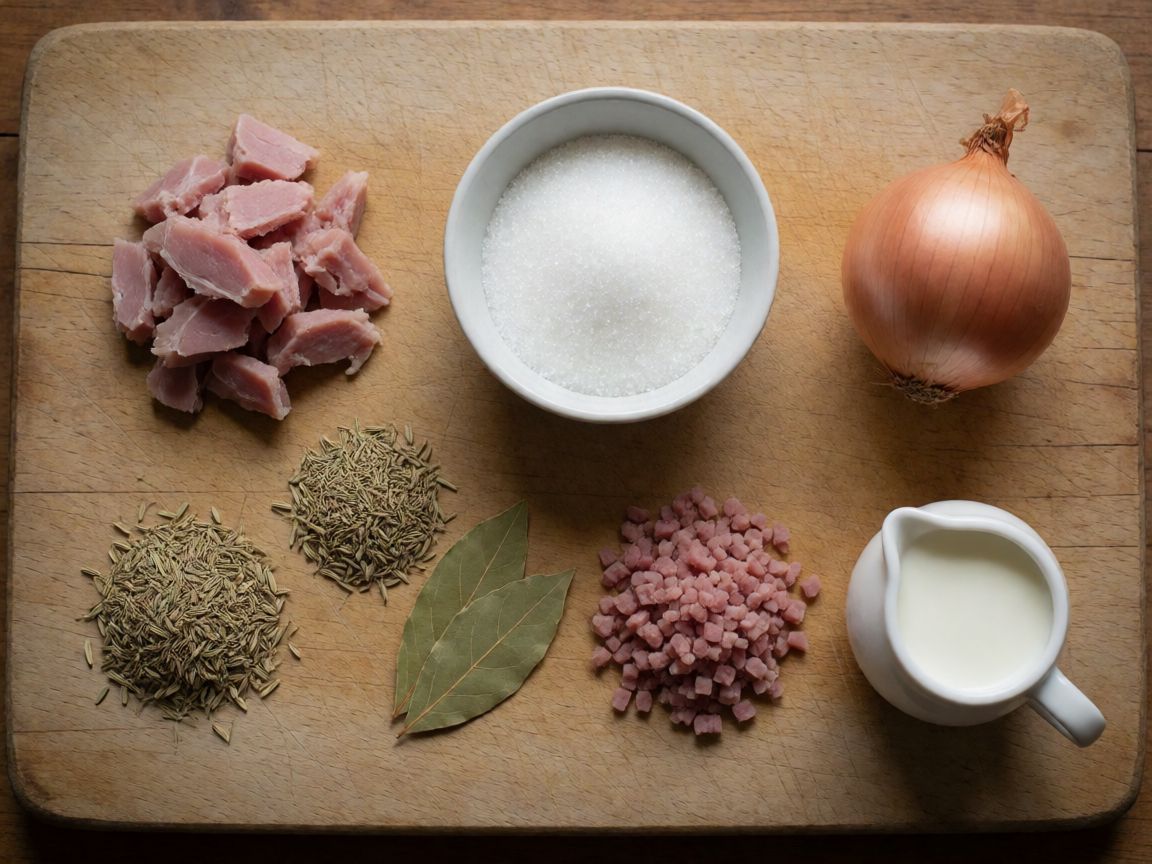
- 1.4 kg Turkey breast
- 250 g Salt
- 175 g Sugar
- 3.5 l Water
- 1 tsp Fennel seeds
- 1 tbsp Dried rosemary
- 2 pcs Bay leaf
- 10 pcs Black pepper peppercorns
- 1 pcs Onion
- 300 g Minced pork
- 100 ml Double cream
- 15 g Apricot jam
- 50 g Dried apricots cut into small cubes
- 50 g Bread made into crumbs
- 1 tsp Dried rosemary
- 1 tsp Dried thyme
- 1 pcs Orange finely grated zest + juice for the glaze
- 50 g Pistachios
- 25 g Pine nuts
- Salt to taste
- Black pepper freshly ground
- 50 g Butter
- 125 g Bacon
- Salt to taste
- Black pepper freshly ground
- 2 pcs Onion cut into quarters
- 6 pcs Carrot whole
- 2 pcs Celery stalks, cut into large pieces
- 1 pcs Bay leaf
- 1 tsp Dried thyme
- Black pepper freshly ground
- 1 l Water
- 1.5 kg Potatoes
- 1 tsp Dried thyme
- Salt to taste
- Black pepper freshly ground

















For the glaze
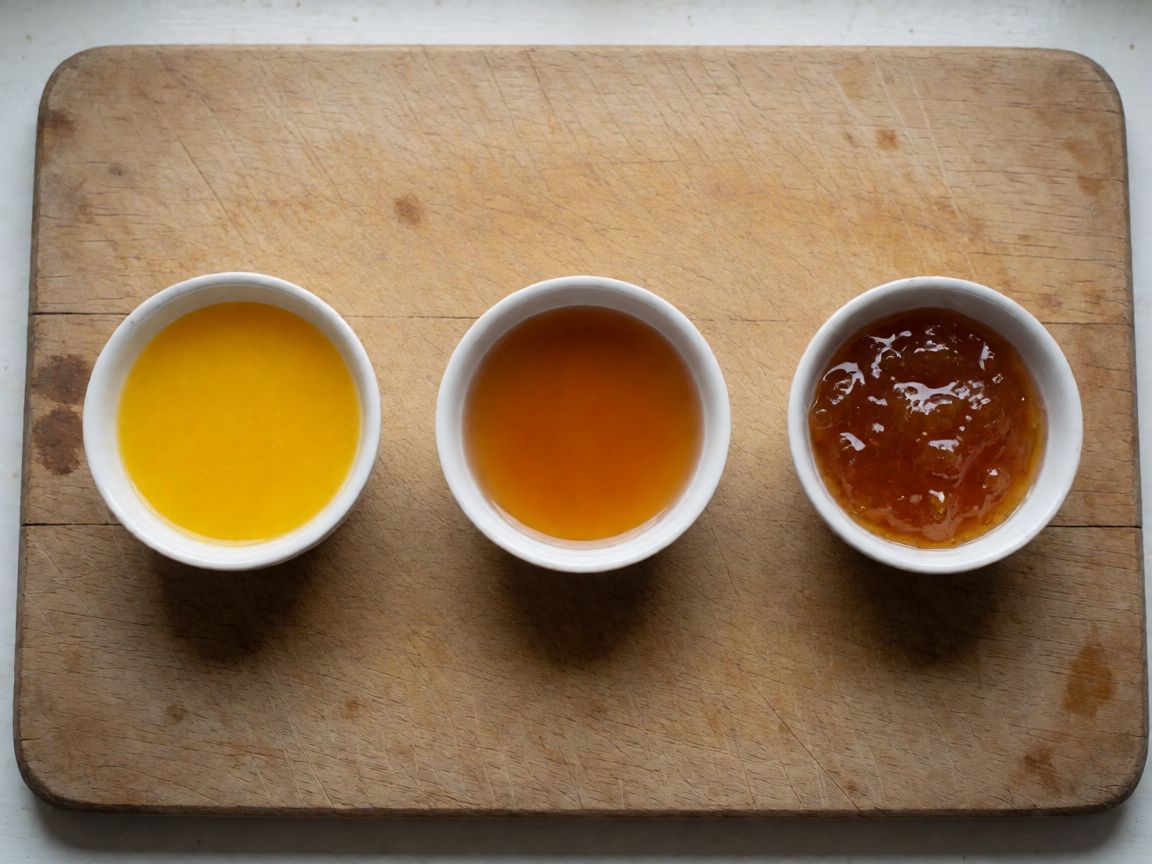
- 50 ml Orange juice from the same orange as in the stuffing
- 30 ml Grand Marnier
- 15 g Apricot jam

For the sauce
- 25 g Cornflour
- 100 ml Double cream
- ½ tsp Gravy browning colouring paste, if needed
- Salt to taste
- Black pepper freshly ground


Steps
Combine the salt, sugar, spices and water in a pan, bring to the boil, stirring until the salt and sugar dissolve. Cool completely to room temperature (20°C).
15 minPut the turkey breast into the brine. It must be fully covered by the liquid; add a little cold water if needed. Refrigerate overnight.
The next day, combine the onion, breadcrumbs, apricot jam, dried apricots, rosemary, thyme, a little finely grated orange zest and the double cream in a bowl, mixing well until smooth.
5 minMix in the minced pork together with the pine nuts, pistachios, salt and pepper. Leave the stuffing to rest in the fridge for 1 hour.
60 minRemove the breast from the brine and pat it thoroughly dry with kitchen paper. Place the breast on a chopping board, smooth side down. Make two cuts along the breast from the centre so it can be opened out like a shirt.
10 minShape the stuffing into a long sausage and place it along the centre of the opened breast.
5 minFold one side over tightly, then the other, so the meat wraps snugly around the stuffing. Secure with cocktail sticks so the roll stays closed.
5 minTurn the roll over, brush with a thin layer of butter, and wrap with overlapping bacon rashers.
5 minPlace in a greased roasting dish.
Scatter the onion, carrot, celery, bay leaf, thyme, peppercorns and water around the roll in the tray.
5 minRoast the roll in an oven preheated to 200°C (conventional) for 1 1/2 hours, or until the breast reaches an internal temperature of 70°C.
90 minPut the potatoes with salt into a pan and boil until just tender.
Combine the orange juice, Grand Marnier and apricot jam in a small pan and warm through, stirring, until the glaze is smooth.
2 minBrush the roll with the orange glaze.
2 minLift the roll out of the roasting tin, keeping the juices for the sauce, and transfer it to a clean tray lined with baking paper.
2 minStrain the juices from the tin through a fine sieve into a bowl. Skim off the fat and set it aside in a small bowl for the potatoes. Remove the carrots and set aside. Pour the juices for the sauce into a small pan.
Drain the potatoes and arrange them on the tray with the roll. Press the potatoes so they crush slightly without turning to mash.
3 minBrush all the potatoes with the fat from the juices, sprinkle with thyme, coarse salt and freshly ground pepper, and place the cooked carrots from the tin on the tray.
3 minPut the tray with the potatoes and roll into an oven preheated to 200°C (fan) and roast until the inside of the roll reaches 72°C.
90 minRemove the roll and let it rest on a chopping board, covered with foil. Raise the oven temperature to 210°C and roast the potatoes until golden and crisp on top.
Meanwhile, make the sauce. Heat the juices for the sauce in a pan until boiling. Mix the cornflour with the double cream and whisk into the sauce.
5 minSimmer the sauce well for a few minutes, season with salt, freshly ground pepper and a few drops of gravy browning.
5 minSlice the roll, arrange on a platter with the crushed potatoes and carrots, and serve the sauce in a jug.
3 min
This is a Sunday roast that's been taken apart and rebuilt. Underneath the bacon and the orange glaze, it's still turkey breast with stuffing — the thing you already know from Christmas — except here the breast does the work a whole bird usually does, and the mechanism that decides whether it's good or sad is the same one your nan's dry turkey always failed: breast meat has almost no fat running through it, so once it passes about 70°C the proteins squeeze out their water and you're left chewing string. Everything in this recipe exists to stop that happening.
Two things fight the dryness. First, the brine — salt and sugar in water, nothing mystical, just osmosis: salt forces its way into the muscle and drags water with it, and that water stays put even under heat because the salt has changed how the proteins hold it. Skip the overnight soak and you haven't made a different dish, you've made a drier one. Second, the bacon wrap and the butter underneath it: fat rendering slowly down over the meat as it roasts, basting it without you lifting a finger. Some say you need to baste turkey every twenty minutes or it dries out — no, because if the meat's prepared right, the fat sitting on top of it is doing that job continuously and you opening the oven door every twenty minutes is just letting the heat out.
A word on temperature, because the recipe gives you two numbers and they matter for different reasons. 200°C at the start is there to set the bacon and get the surface of the roll colouring — not frying exactly, there's no direct dry contact the way there is in a pan, but close enough that the fat renders and the surface tightens. Internal temperature is the only number that tells you the inside is actually done: 70°C the first time, 72°C the second, because the roll goes back in after resting and glazing and continues cooking a little more. Don't trust the clock for this bit — a meat thermometer costs less than the turkey breast itself and it's the only honest witness to what's happening in the centre of that roll. Carryover heat will push it up another degree or two while it rests under foil; that rest isn't optional either, it's the few minutes where the juices that panicked toward the centre under heat redistribute themselves back through the meat instead of running onto the board when you cut it.
On the brine: 250g salt and 175g sugar to 3.5 litres is a working ratio, not a sacred one — what matters is that it's strong enough to do its job overnight without over-salting a breast this size. If you've only got table salt instead of a coarser one, use less by volume because it packs tighter and dissolves to a saltier result for the same spoonful. The sugar isn't there to sweeten; it balances the salt and helps the surface brown.
The stuffing ingredients each answer a specific problem. Minced pork supplies fat the turkey lacks — any fattier mince, even sausage meat with the casings removed, does the same job; lean mince defeats the point entirely. Double cream and breadcrumbs together act as a binder and a moisture reservoir — stale bread works better than fresh here because it absorbs the cream instead of turning to paste. Dried apricots and apricot jam bring acidity and sweetness that cut through the richness of the pork and bacon; if you haven't got apricots, any dried stone fruit with a bit of sharpness — sour cherries, even dried figs — will stand in, though the colour and sweetness will shift. Pistachios and pine nuts are there for bite against all that soft stuffing — toasted almonds or hazelnuts, roughly chopped, do the same structural job if that's what's in the cupboard.
Bacon wrapping the outside is doing double duty: basting fat as it renders, and a layer of protection between direct heat and the lean meat underneath, the same principle as barding a game bird. Streaky bacon, cut thin, overlaps and renders best; thick-cut back bacon won't drape round the roll the same way and will leave gaps. Butter brushed on first just helps the bacon sit and gives it something to crisp into early.
The glaze — orange juice, Grand Marnier, apricot jam — is painted on near the end, not the start, because sugar burns long before the meat's cooked through; put it on too early at 200°C and you'll get bitter char instead of shine. If you haven't got Grand Marnier, any orange liqueur or even a splash of brandy with extra orange zest gets you close; it's alcohol and aromatics, not a specific brand, doing the work.
For the sauce, cornflour mixed with cold cream before it meets the hot liquid is simply how you stop lumps — mix flour into something cold first, always, because thrown straight into boiling stock the starch grains seize and clump before they've had a chance to swell evenly. Gravy browning is purely cosmetic, there to fix a pale sauce that tastes right but looks washed out; if yours already has good colour from the roasting juices, leave it out.
Six people, one tray of roast potatoes finished separately on a second rack because your home oven, unlike a professional one, doesn't give you three shelves of even heat — crowding everything onto one tray means the potatoes steam instead of crisping, and that's the one real defect this recipe is built to dodge. Patience is the last ingredient and the most expensive one: the overnight brine, the hour's rest for the stuffing, the resting foil at the end. None of it shows up on the plate directly, but skip any of it and you'll taste exactly where.