
Meat & fish
Pork
A tender, juicy meat from pigs, fried, stewed, roasted, or used for cutlets, kebabs, and sausages.
168 kcal per 100 g
Nutrition per 100 g
168 kcal
| Protein | 21.1 g |
|---|---|
| Fat | 9.5 g |
| Carbs | 0 g |
Source: USDA FoodData Central, 2026-09-21. Per 100 g raw (per USDA FDC).
Good to know: Pork
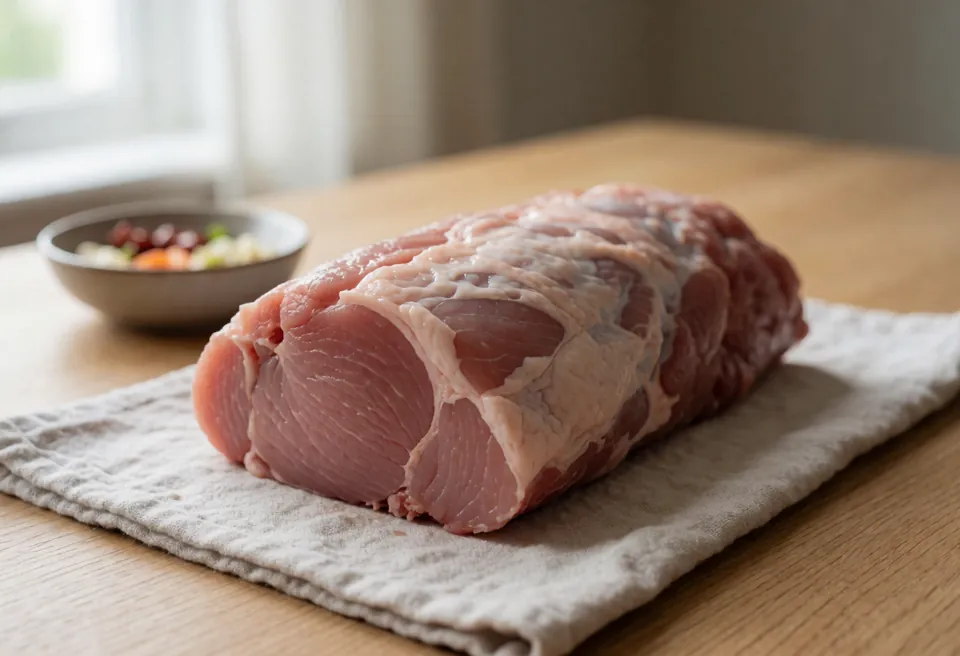
About pork, let me tell you something simple: don't trust your eyes alone, trust your hands too. Press a good piece and it springs back under your finger. Cut it and look at the surface — it should look moist and a little glossy, never dull, never wet and weepy. That's how you know what you're dealing with before it ever touches the pan.
Choose pork by what you see, smell and feel. The flesh should be firm, slightly moist but not wet. The smell must be clean and mild, nothing sour or sharp. If the cut smells of anything but meat, walk away.
Now, some people say pork must be cooked until it's grey through and through, "just to be safe." No! Safety comes from reaching the right internal temperature and letting the meat rest, not from how long you boil the color out of it. A trace of pink near the bone doesn't tell you much on its own, either way.
Here is where that misconception leads: people cook pork far past the point of tenderness, then wonder why their chops are tough and dry. Trust your hands and your nose when you're buying — and a thermometer when you're cooking.