
 AI photo
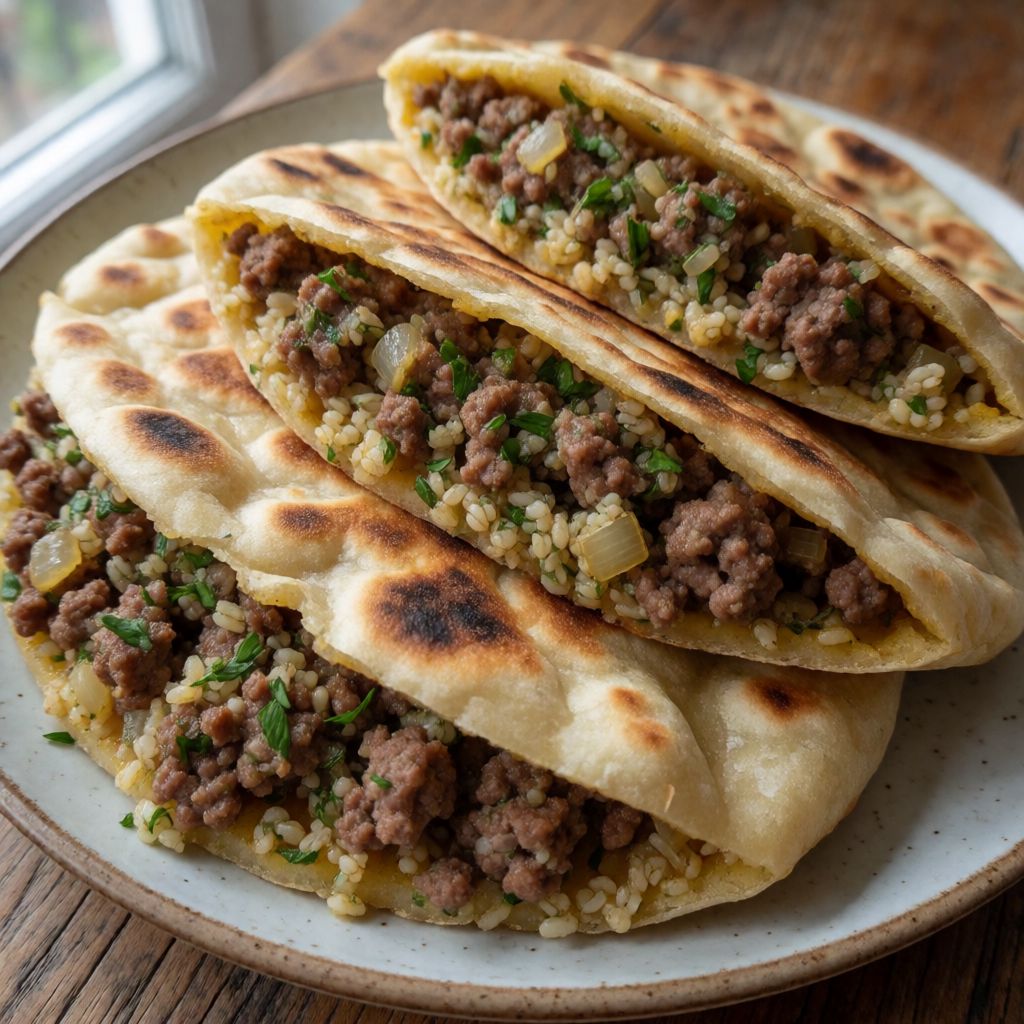
Stuffed Pita Flatbreads with Bulgur Salad
Pita breads stuffed with spiced beef, served with a fresh bulgur salad and a tangy yoghurt dressing.
Labels are worked out automatically from the ingredients and can be wrong. Check the packaging if it matters to you.
Ingredients
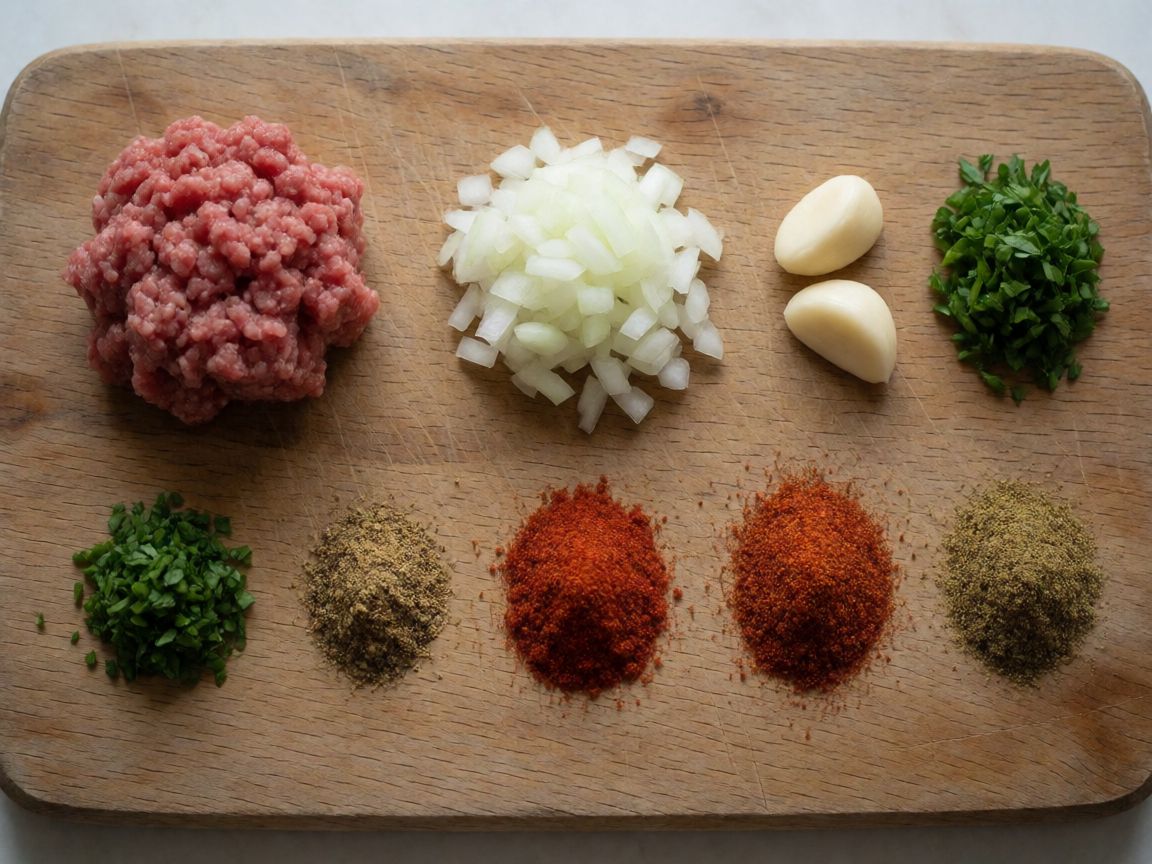
- 400 g Ground beef or lamb
- 1 pcs Onion finely chopped
- 2 clove Garlic finely grated
- 1 bunch Parsley finely chopped
- 1 tsp Cumin ground
- 1 tsp Paprika
- 1 tsp Smoked paprika
- 1 tsp Ground coriander
- Salt to taste
- Black pepper freshly ground, to taste
- 4 pcs Pita bread
- 2 tbsp Olive oil











Bulgur Salad
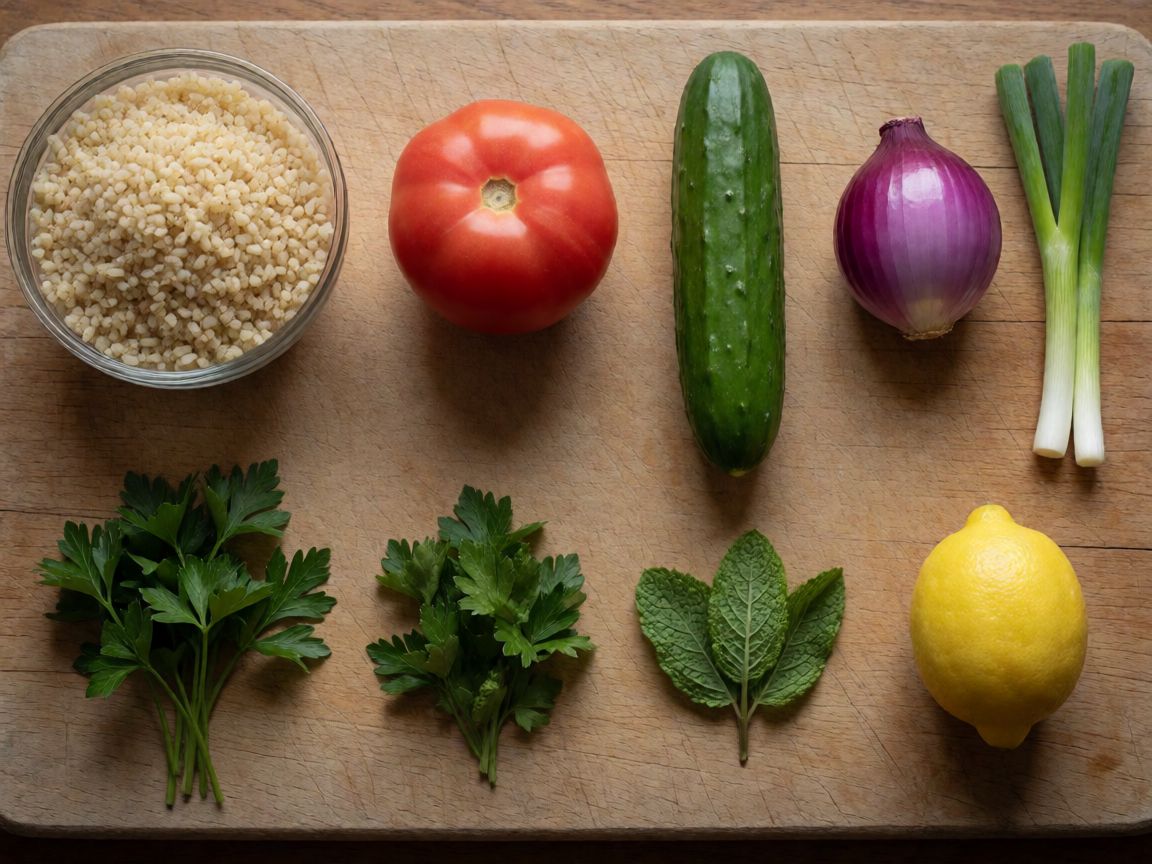
- 200 ml Bulgur
- 400 g Tomato diced
- 1 pcs Cucumber finely diced
- 0.5 pcs Red onion finely chopped
- 2 pcs Spring onion finely chopped
- 1 bunch Parsley finely chopped
- 1 bunch Mint fresh, finely chopped
- 1 pcs Lemon zest and juice
- 4 tbsp Olive oil
- 1 tsp Caster sugar
- 1 clove Garlic finely grated
- Salt to taste
- Black pepper freshly ground, to taste







Yoghurt Dressing
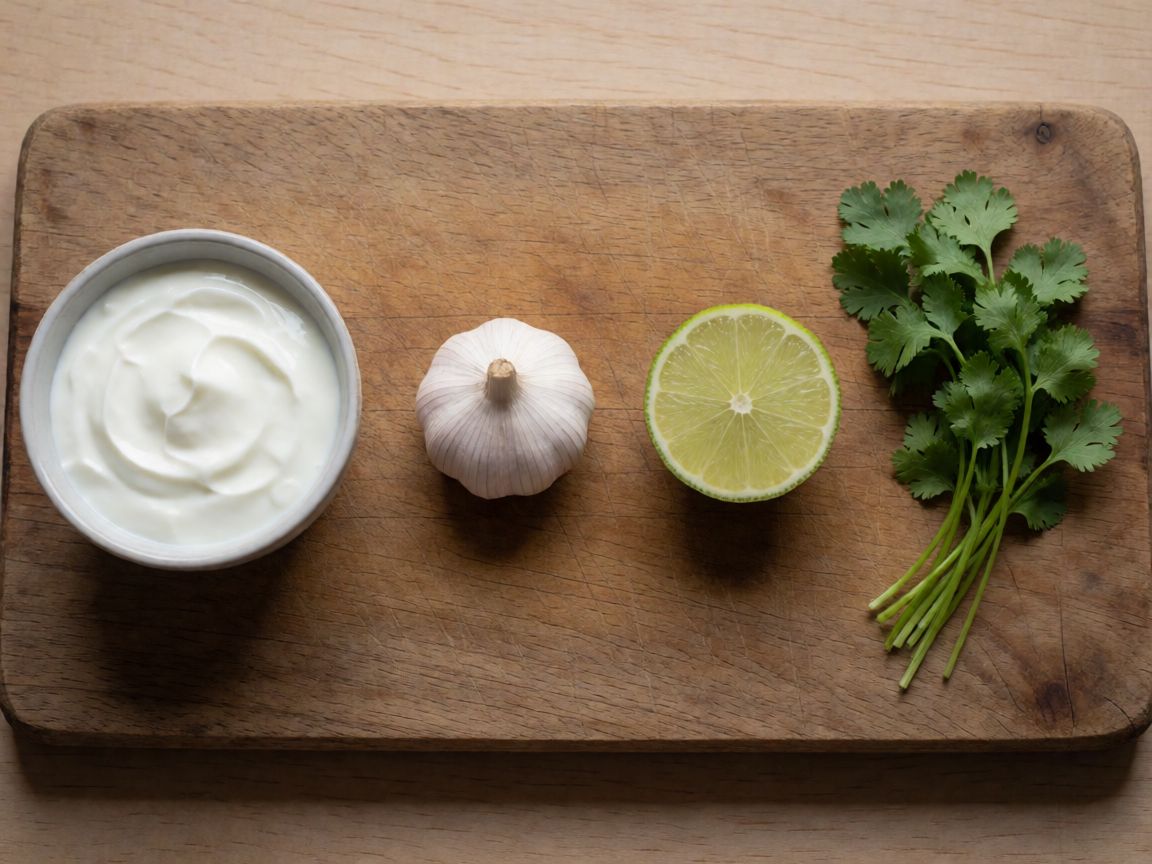
- 200 ml Greek yoghurt
- 1 clove Garlic finely grated
- 1 pcs Lime zest and juice
- 1 pcs Coriander fresh, finely chopped
- Salt to taste
- Black pepper freshly ground, to taste



Steps
Cook the bulgur according to the packet instructions and let it cool slightly.
Mix the lemon dressing and season well with salt and pepper.
Combine the bulgur, vegetables and herbs, then mix with the dressing. It's best to let the bulgur salad rest for about half an hour (30 minutes) before serving.
30 minMix the minced meat with the onion, garlic, parsley, spices, salt and pepper.
Cut the pita breads in half across and spread the mince inside. Press them so the meat is spread evenly in a thin layer.
Brush the pita breads with oil. Heat a frying pan over medium heat and fry the pitas for 4-5 minutes on each side.
9 minMix the ingredients for the yoghurt dressing with the lime and season with salt and freshly ground pepper.
Serve the hot stuffed pita breads with the bulgur salad and yoghurt dressing.
This is Turkish street food reshaped for a frying pan: flatbread stuffed raw with spiced mince, then fried so the bread crisps while the meat cooks through it — not under a grill, not on a griddle, but pressed into a pan like a thin burger wearing a pita coat. Next to it sits a bulgur salad that's really kısır's cousin, and a cold lime yoghurt that exists for one reason: fat and acid cut through fried meat.
What decides whether this works is thickness, not time. Spread the mince too thick and you get a pale, steamed middle under a burnt bread shell — because heat has to travel through dough first, then meat, and dough is a poor conductor. Spread it thin, pressed almost into the weave of the pita, and heat gets to the meat fast enough from both sides to cook it through before the bread turns to carbon. That's the whole trick, and it's a pressing problem, not a cooking-time problem.
Some say you need a tandoor or at least a kazan lid pressing down for this to taste right. No — because the mechanism that matters is surface contact and even thickness, and a heavy pan plus your own palm does that job in a London kitchen as well as clay does in Istanbul. What a tandoor gives you is height and smoke, nice but not the point here.
Ground beef or lamb — lamb is the older, more honest choice here because its fat renders and bastes the bread from inside as it fries; beef works fine but is leaner, so don't trim further or you'll dry out in a thin layer under direct heat. Either way, go for something with visible fat flecked through it, not the leanest pack on the shelf — that fat is doing the moisture job that a sauce would do in a stew.
The spice trio — cumin, paprika, smoked paprika, coriander — isn't decoration, it's there because raw spice on raw meat needs the full cooking time to lose its dusty edge and actually bloom; this is why you mix it in before shaping, not after. If you've only got sweet paprika, use it alone and lean a bit harder on cumin for backbone — smoked paprika is standing in for a whisper of charcoal you're not getting from an open fire.
Pita bread here isn't a vessel, it's a structural ingredient: it has to be flexible enough to fold and press flat without tearing, with enough surface texture to hold a thin meat layer in place while it fries rather than sliding off. Supermarket pitas sold for freezing are usually thinner and crisp faster — good. A thick, bakery-style pita will insulate the meat and you'll burn the outside waiting for the inside to cook; if that's all you have, flatten the dough side a little with a rolling pin first.
Bulgur is the backbone of the salad because it's a grain that absorbs dressing rather than just sitting in it — couscous would go gluey, rice would stay slippery. Cook it to the packet's water ratio, no less, because undercooked bulgur stays chalky and no amount of dressing time fixes that; it has to actually hydrate before it can season. If bulgur isn't in your cupboard, quinoa does the same absorbing job with a different bite, or couscous in a pinch, though you'll need to fluff it harder to stop it clumping.
The lemon dressing carries sugar for a reason that has nothing to do with sweetness you'll taste directly: a pinch of sugar rounds off raw lemon's sharp edge the way cooking time would if you simmered it, which you're not doing here. Any neutral oil with no smell of its own will carry the dressing fine if olive oil feels heavy to you, but olive oil's slight bitterness is actually balancing the sugar, so don't drop both.
The yoghurt dressing is a cooling device, nothing fancier — Greek yoghurt specifically because its thickness means it clings to hot bread instead of running off it the way thinner natural yoghurt would. Lime over lemon here is a deliberate contrast: the salad already has lemon, so lime keeps the two acids from tasting repetitive on the plate. No lime, use lemon again and don't worry — the dish survives it, it just loses a bit of its own voice.