
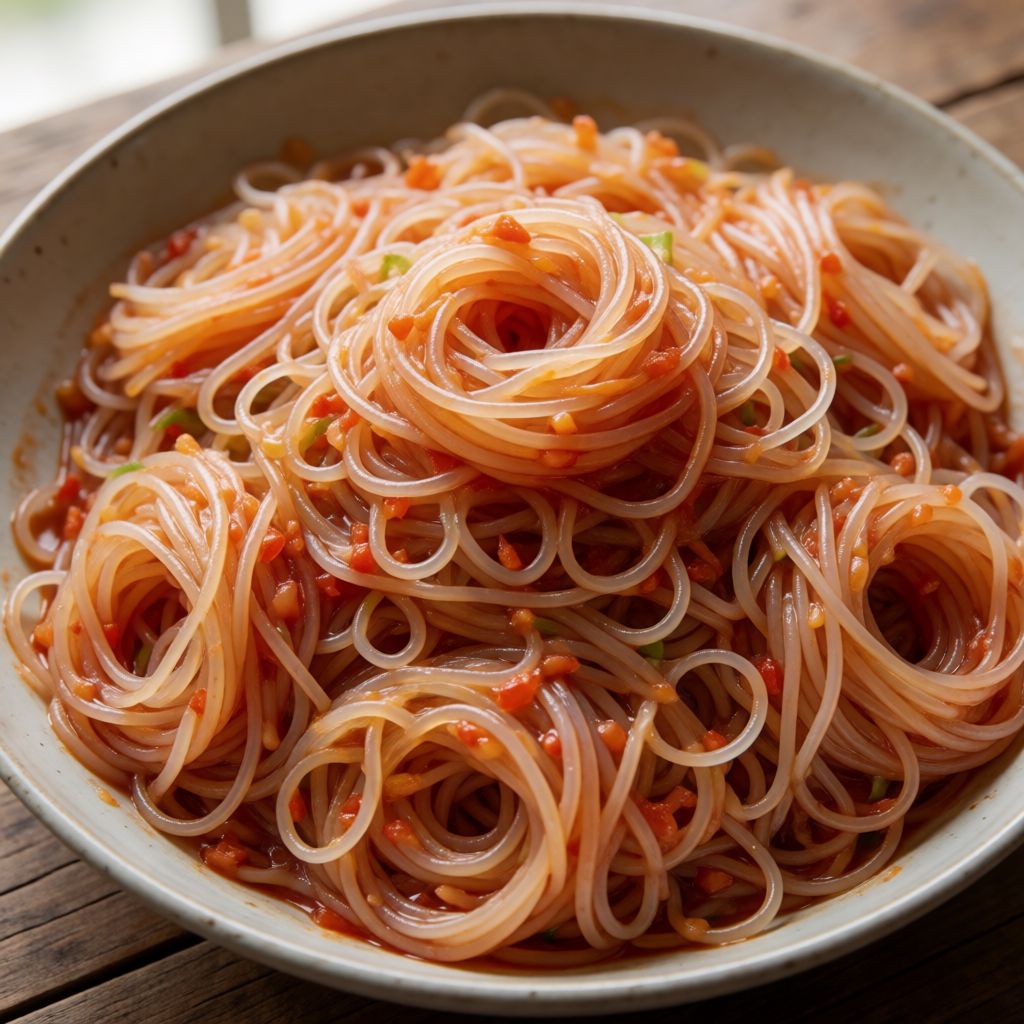
 AI photo
Sweet and Sour Noodle Salad
A sweet and sour noodle salad with crunchy vegetables, pineapple and avocado, finished with peanuts and sesame.
Labels are worked out automatically from the ingredients and can be wrong. Check the packaging if it matters to you.
Ingredients
- 200 ml pineapple juice
- 1 tbsp rice vinegar
- 2 tbsp ketchup
- 1 tbsp brown sugar
- 1 tbsp ginger grated
- 1 tbsp soy sauce
- 1 tbsp cornflour
- 200 g noodles
- 100 g edamame beans
- 200 g carrot cut into thin strips
- 150 g pointed cabbage thinly shredded
- 125 g sugar snap peas sliced
- 2 pcs spring onion thinly sliced
- ½ pcs pineapple diced
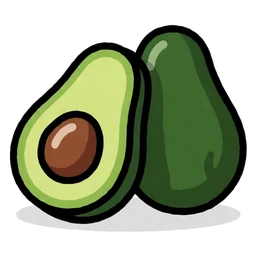
- 1 pcs avocado sliced
- 1 bunch fresh coriander
- 25 g peanuts salted
- 25 g sesame seeds toasted






Steps
Mix the pineapple juice, rice vinegar, ketchup, brown sugar, grated ginger, soy sauce and cornflour in a saucepan, bring to the boil and cook for a few minutes until thickened. Leave to cool.
5 minCook the noodles according to the packet instructions, adding the edamame beans in the final minute of cooking. Drain and rinse under cold water.
10 minMix the noodles and edamame with half of the sweet and sour sauce.
Put the carrot and cabbage into a bowl, top with the noodles and edamame. Add the sugar snap peas, spring onion, pineapple, avocado and the rest of the dressing.
Sprinkle with fresh coriander, sesame seeds and peanuts before serving.
This isn't really a salad in the British sense — it's a cold noodle dish wearing a salad's clothes, built on a sauce that does two jobs at once: dressing and glue. The whole thing stands or falls on what happens in that saucepan in step one, not on how thin you cut the carrot.
Cornflour in a sweet-sour mix isn't there for show. Heated with the juice and vinegar, it swells and thickens the liquid into something that coats rather than pools. Skip the boil, or stop too soon, and you get flavoured water sitting at the bottom of the bowl while your noodles stay bald and separate. The sauce has to go from thin and sharp-smelling to glossy and slow-moving off the spoon — that's the cue, not a stopwatch.
Some say sweet and sour sauce needs to be made fresh and used hot. No — it needs to be made properly and used cold. Hot sauce on cold noodles just steams them soft and uneven; cooling it first means it clings instead of cooking the noodles a second time.
The second decision point is temperature contrast: everything here is meant to be cold or room-warm against the two things that keep their own texture — the crunch of raw cabbage and carrot, and the toasted sesame and peanuts added right at the end, not stirred through, so they stay crisp against the wet noodles instead of going soggy in five minutes.
Pineapple juice is the backbone of the sauce — it brings sugar and acid together already balanced, which is why you only need one tablespoon of brown sugar on top, not three. If you haven't got a tin or carton, any fruit juice with real sweetness and a faint sharpness works — apple juice with an extra squeeze of lime, say — but skip orange juice, its bitterness fights the ginger.
Rice vinegar is chosen for being quiet — sharp without shouting cider or wine vinegar's sourness over everything else. Any vinegar with no strong flavour of its own will do; white wine vinegar diluted slightly is the nearest stand-in in a UK cupboard.
Ketchup earns its place here for two things most people don't credit it with: it's already got tomato, vinegar and sugar balanced, and it thickens the sauce on its own slightly even before the cornflour goes in. Don't swap it for tomato purée without adding a bit more vinegar and sugar to compensate — purée has none of ketchup's built-in sweetness.
Cornflour must go in as a slurry mindset even if the recipe mixes it in cold with everything else — meaning: stir it smooth into the cold liquid before it ever meets heat, otherwise it clumps the moment the pan warms, and no amount of stirring un-clumps cooked starch.
For the noodles, "according to packet instructions" is doing real work — rice noodles, wheat noodles and egg noodles all behave differently in cold water afterwards, so rinsing under cold water the instant they're drained isn't optional decoration, it's what stops them continuing to cook in their own heat and turning to paste by the time the salad's assembled. This is also why they go in with the edamame for only the final minute — beans don't need long, and adding them late means they stay bright green and bite back, rather than turning the dull khaki of a bean boiled twice as long as it needed.
Sugar snap peas, cabbage and carrot are listed raw and thin-cut for a reason that has nothing to do with looking pretty on a plate: thin strips mean they wilt just slightly under the warm noodles without needing any cooking of their own, so you keep three different crunches in one bowl instead of one soft texture throughout. If you're buying sugar snaps out of season and they're gone rubbery, use mangetout instead — same mechanism, same snap, usually fresher on a British shelf in winter.
Peanuts and sesame seeds are the last thing to land on the bowl, and that's a rule, not a suggestion — toast the sesame seeds yourself in a dry pan until they go from pale to just gold (a few seconds past that and they're bitter, there's no coming back), because pre-toasted ones from a jar have usually lost half their smell by the time you buy them. Patience here means waiting for the sauce to cool properly and the noodles to be truly cold before you dress anything — rushing this step is the single most common way this dish turns into warm, sad noodle soup with vegetables floating in it instead of a salad with some bite left in it.