
 AI photo
Margherita Pizza
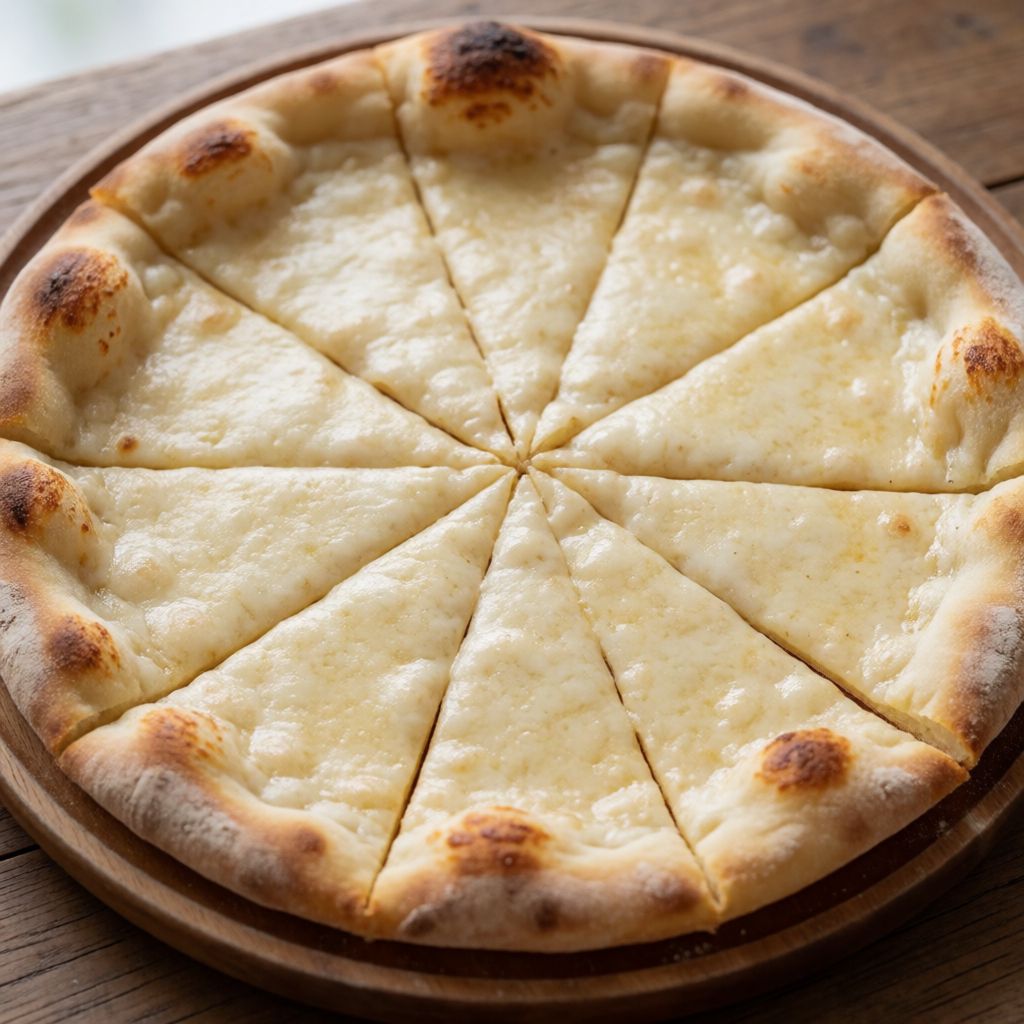
A classic homemade Margherita pizza with a soft, well-risen dough, tomato sauce and fior di latte mozzarella.
Labels are worked out automatically from the ingredients and can be wrong. Check the packaging if it matters to you.
Ingredients
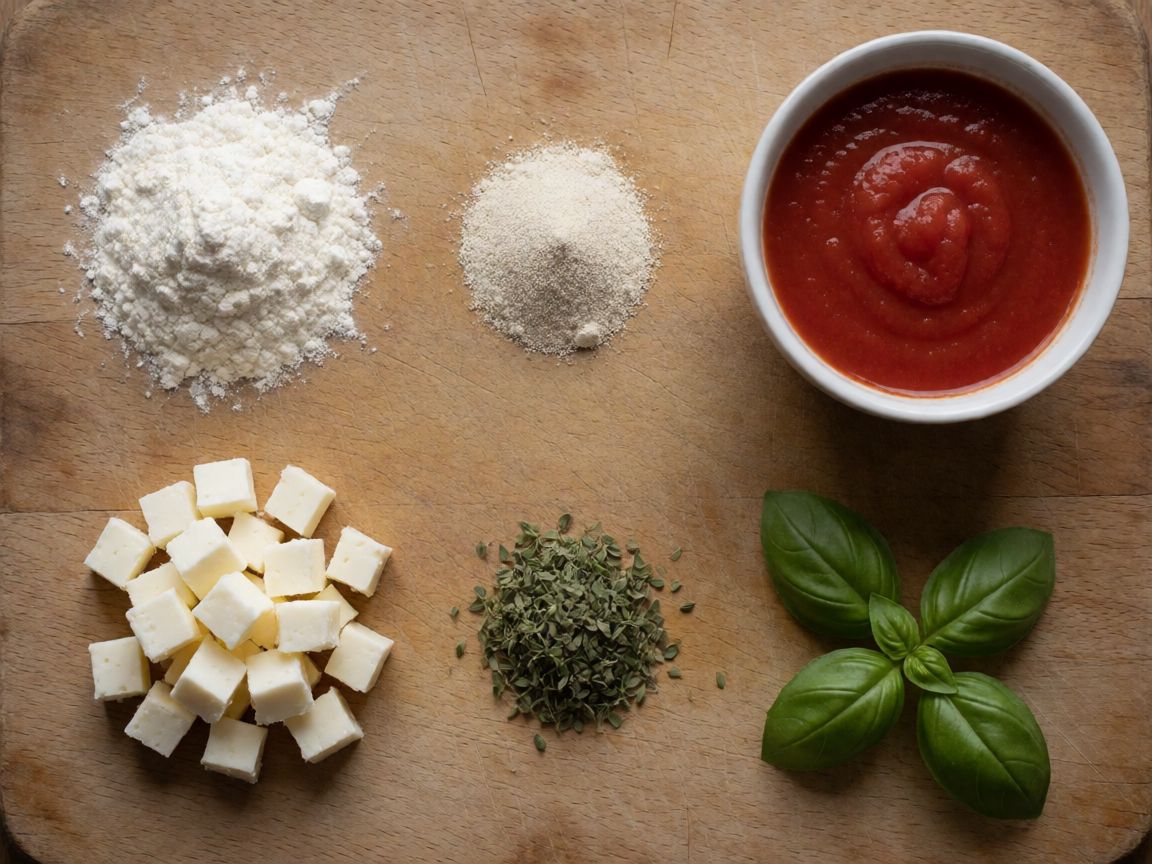
- 220 g Strong white bread flour
- 320 g Plain flour
- 330 ml Water
- 40 g Olive oil
- 8 g Salt
- 5 g Yeast
- 300 g Fior di latte mozzarella cut into small pieces
- 400 g Tomato passata
- Salt to taste
- Oregano to taste
- Basil fresh, to taste
- Olive oil to taste









Steps
Tip the flour and strong bread flour into a bowl, dissolve the yeast in the water and add it to the flour, mix the dough energetically by hand.
Add the olive oil and salt, and keep kneading until the dough is smooth and even.
Place the dough in a bowl, cover with cling film and leave to rise.
120 minTurn the dough out onto a floured surface, divide into two equal pieces, shape into balls, place on a tray and cover with cling film.
Leave the dough to rise.
30 minTurn the dough out onto a floured surface and shape into pizza bases, stretching the dough mainly by hand.
Place the dough discs into two oiled baking tins, spread a layer of tomato sauce seasoned with olive oil and oregano.
Bake in an oven preheated to 250°C.
7 minTake the pizzas out and add the fior di latte, cut into small pieces.
Return to the oven.
7 minAdd a few fresh basil leaves and serve hot.
A Margherita is a maths problem disguised as a dinner: how much water a flour can hold before the gluten gives up, and how long you can leave the whole thing alone before it either rises properly or dies trying. Everything else — tomato, cheese, basil — is decoration on top of that one argument between flour and time.
Two flours are mixed here for a reason, not out of fussiness. Strong bread flour is high in protein, which means more gluten, which means a dough that can stretch thin without tearing — that's what gives you the blistered, chewy rim. Plain flour on its own would make something closer to shortcrust: crisp, but it snaps rather than bends. Blend them and you get a base that holds air but doesn't fight you when you push it out into a disc.
The two rises aren't bureaucracy. The first, long one (120 minutes) is where the yeast actually does its work — converting starch to gas, building structure. The second, short one (30 minutes) is recovery: you've just punched the air out by dividing and shaping, and the dough needs to relax its gluten before you ask it to stretch again, or it'll spring back at you like an elastic band. Some say you can skip the second rise if you're in a hurry — no, because then the dough resists stretching and you tear holes in it instead of a round base, and holes mean the sauce leaks through and burns on the tray.
On the flour: if you can't get a dedicated "strong" bread flour, look for one with roughly 12–13% protein on the packet — that's the number that matters, not the brand. Plain flour alone won't ruin the pizza, but the crust will be flatter and less chewy, more biscuit than bread. You're feeding two people here, and 540g of combined flour with 330ml water sits at a hydration around 61% — manageable by hand, nothing like the wet, slappy doughs that need a stand mixer. That's deliberate: this dough is meant to be kneadable on a kitchen worktop, not a lab exercise.
The yeast dissolved into water before it meets flour isn't a ritual, it's distribution — yeast dropped dry into a dry mix clumps and gives you patchy rising, pale spots where nothing happened. 5g for 540g flour is a small, slow amount, which is exactly why you need the full two hours: slow fermentation is what gives you flavour, not just volume. Rush it with more yeast or a warmer spot and you get a dough that rises fast but tastes of nothing — bread without patience tastes like cardboard with air in it.
Salt and oil go in after the initial mix, not before, because salt in direct contact with raw yeast before gluten has started forming can slow fermentation right down — you're not poisoning it, but you're handicapping it for no reason. The oil (any neutral olive oil — nothing peppery or grassy, you don't want it arguing with the tomato later) softens the crumb and helps the dough stay extensible rather than tight.
On the sauce: passata, not chopped tinned tomatoes, because you want a sauce that spreads thin and even without lumps that burn under a hot tin. Salt and oregano go in before baking, not after — oregano cooked briefly loses its raw, medicinal harshness and turns savoury; added raw at the end it tastes like the inside of a spice jar.
Fior di latte, not buffalo mozzarella, is the right call for an oven that runs this hot for this long: buffalo mozzarella holds far more water and will flood your base, soaking straight through the crust you worked two and a half hours to build. If you can't find fior di latte, a low-moisture mozzarella block, grated or torn, is a closer substitute than anything "buffalo" on the label. Cut it small, as the recipe says, and the reason is simple heat physics — small pieces melt and set in the 7 minutes you've got, whole slices just go gluey on the outside and cold in the middle.
Basil goes on raw, after the second bake, because basil cooked is basil wasted — the volatile oils that smell like basil evaporate the moment they meet real heat, and what's left is a limp green leaf with none of the scent that made you buy it fresh in the first place. This isn't a tradition to be defensive about; it's just that cooked basil and no basil taste roughly the same, so why bother.
For two people, two bases from this dough is generous without being silly — British supermarket pizza trays tend to run smaller than you think, so don't be afraid to stretch the dough right to the rim by hand rather than reaching for a rolling pin. A rolling pin pushes all the air you spent two hours building straight back out of the dough; your knuckles and fingertips, working from the centre out, leave the air pockets at the edge alone, which is where your crust puffs up into that uneven, blistered rim everyone actually wants.
·